
How To Use A DA PA Checker Without Misreading Your Scores
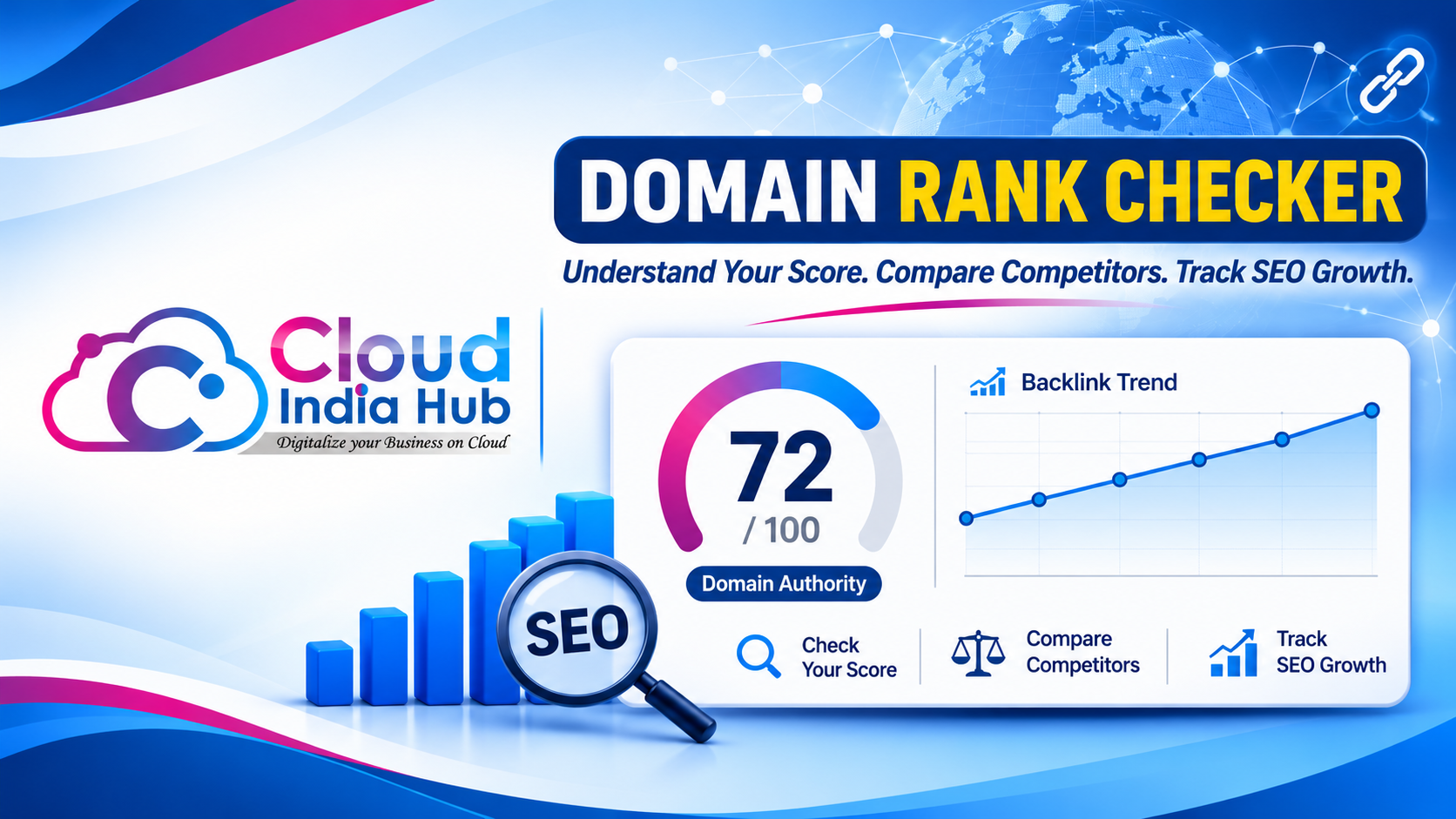
A DA PA checker shows two scores on a 100-point scale: Domain Authority for a whole site and Page Authority for a single URL. Both come from third-party tools, and Google does not use either score to rank pages.
A number without context misleads, so this guide shows how to read the results. Still choosing a name? Start with our guide to reading domain checker results, then return once your site has links worth measuring.
At A Glance
• Scale: 100-point scale
• Built from: linking root domains and total links
• Google ranking factor: No
• Checks: DA for a site, PA for one page
What Do DA And PA Actually Measure?
A DA PA checker estimates how strong a site and one of its pages look to search engines, based mainly on backlinks. Domain Authority covers the whole domain, Page Authority covers one URL, and both are predictions rather than measurements of real rankings.
Moz created Domain Authority. Its score draws on dozens of factors, including the number of linking root domains and the total number of links. Other vendors publish similar scores, but each uses its own data, so figures from different tools never match.
A typical da and pa checker also reports linking domains and a spam score. Read those columns before you judge the headline number, because they explain where the strength comes from.
What a lookup can tell you:
• Whether a competitor’s link profile looks stronger than yours
• Which pages on your own site attract the most link strength
• Whether a possible partner site looks credible before you ask for a link
Page Authority is the more practical score for day-to-day work. A blog post with strong PA is a good place to add internal links to your service pages, while a weak page that matters to your business may need better content or new links.
Treat every result as one data point. A score never explains why a page ranks, and it says nothing about content quality, search intent or page speed.
How Do DA And PA Differ From Domain Rating And Authority Score?
Moz’s Domain Authority and Page Authority sit beside Ahrefs’ Domain Rating and Semrush’s Authority Score as rival measures built on different data. Any DA PA checker from one vendor will not match the others, so compare sites only inside a single tool.
|
Metric |
Vendor |
What it summarises |
|
Domain Authority |
Moz |
Link based strength of a whole domain |
|
Page Authority |
Moz |
Link based strength of one URL |
|
Domain Rating |
Ahrefs |
Strength of a backlink profile |
|
Authority Score |
Semrush |
Overall quality and SEO performance of a domain or page |
Pick one tool and stay with it. Switching halfway through a project turns a real change into noise, because the new tool starts from a different index of the web.
If you search for a domain authority checker, expect each result to report its own vendor’s score, so read the tool’s description before you trust a comparison.
Write the tool name beside every score you save. A Domain Authority reading and a Domain Rating reading describe different data sets, so never average them or swap them inside one report.
When Is A Bulk Domain Authority Checker Worth Using?
A bulk domain authority checker pays off when you must compare more than a handful of sites, such as a competitor list, link prospects or domains you may buy. For one or two sites, a single lookup is faster and just as accurate.
Free tools often cap how many domains you can paste per run, so check the limit first and split long lists into batches. Export the results to a sheet and sort by score.
Keep the batch tidy. Paste root domains without paths, remove duplicates and note which tool and date produced each score. A sheet with four columns (domain, DA, spam score, notes) is enough to decide who stays on the list.
Common jobs for a batch run:
• Competitor audits: line up your ten closest rivals and see who leads on link strength
• Link prospecting: drop sites that look weak or spammy before you send outreach
• Domain buying: screen aged names before you pay for them
After a batch run, put the survivors through a second DA PA checker pass for page-level detail. Page Authority tells you which URL on a prospect’s site is worth the pitch.
Buying a name? Our bulk domain search guide explains how to test many names at once. It checks availability only, not authority, and the search box covers 361 extensions.
Is Domain Authority A Google Ranking Factor?
No. Google staff have said repeatedly that Google does not use Domain Authority, and Moz states that the score has no effect on search results. It is a third-party estimate built from link data, useful for comparison but not a lever you can pull.
Search Engine Journal’s collection of Google statements runs from 2015 to 2022. In the last one, John Mueller said you do not need DA for Google Search and that you should focus on other things.
That is why a DA PA checker works best as a benchmarking tool. Use it to see the gap to competitors, then close the gap with better content and links earned from relevant sites.
Scores can also move without any change on your side. Tools recalculate as they re-crawl the web, so a rival’s new links or an index update can shift your number overnight.
SEOs still use the score because it is quick, it compares sites inside one tool, and it tracks link growth in a way a page-by-page review cannot.
Use DA for these jobs, and avoid the last one:
• Benchmarking your site against the pages that rank for your keywords
• Screening link prospects and partners
• Tracking a trend over several months
• Avoid: promising a client a ranking because a score reached a target
What Should You Check Beyond DA And PA?
Check domain age, the relevance of linking sites, spam signals and page speed alongside DA and PA. Together they show whether a score reflects a real, healthy site or only a pile of links.
Domain age is the quickest extra check. Cloud India Hub’s WHOIS lookup tool shows registration dates, nameservers and registrar details for any domain, though it asks you to log in before you search. A young domain with a very high score deserves a closer look.
• Linking sites: are they relevant to the topic of the page they point to?
• Spam score: a high percentage calls for a manual review of the links
• Real pages: does the site publish useful pages that people could actually read?
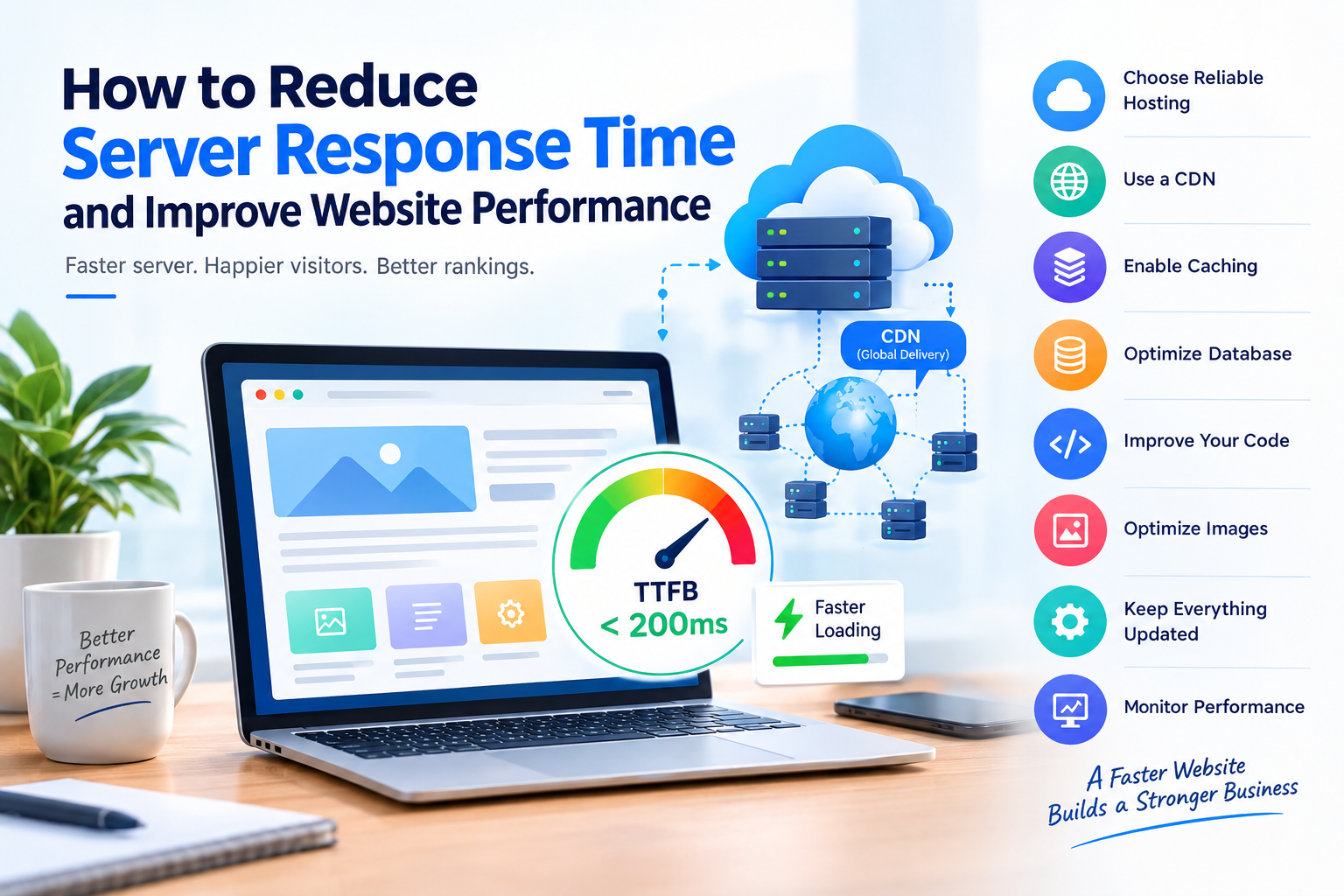
• Page speed: slow pages lose visitors even when the links are strong
Run these extra checks before you spend money on a link, a partnership or a domain. Ten minutes of context costs little, while cleaning up after a bad purchase can take far longer.
Can A Hosting Move Change Your Scores?
A hosting move does not change a score by itself. Downtime, broken URLs and missing redirects can cost you the pages that earn your links, though, so keep URLs identical or set 301 redirects before you switch servers.
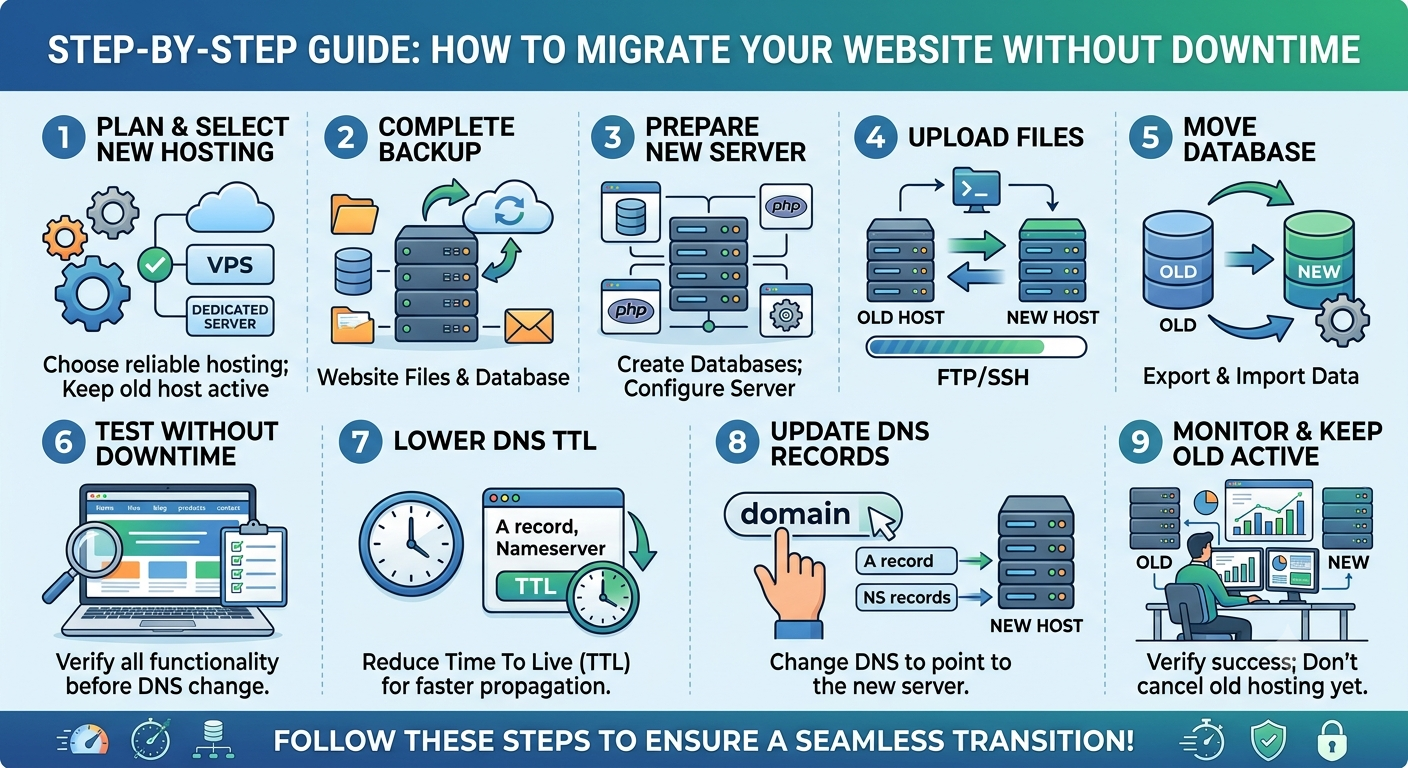
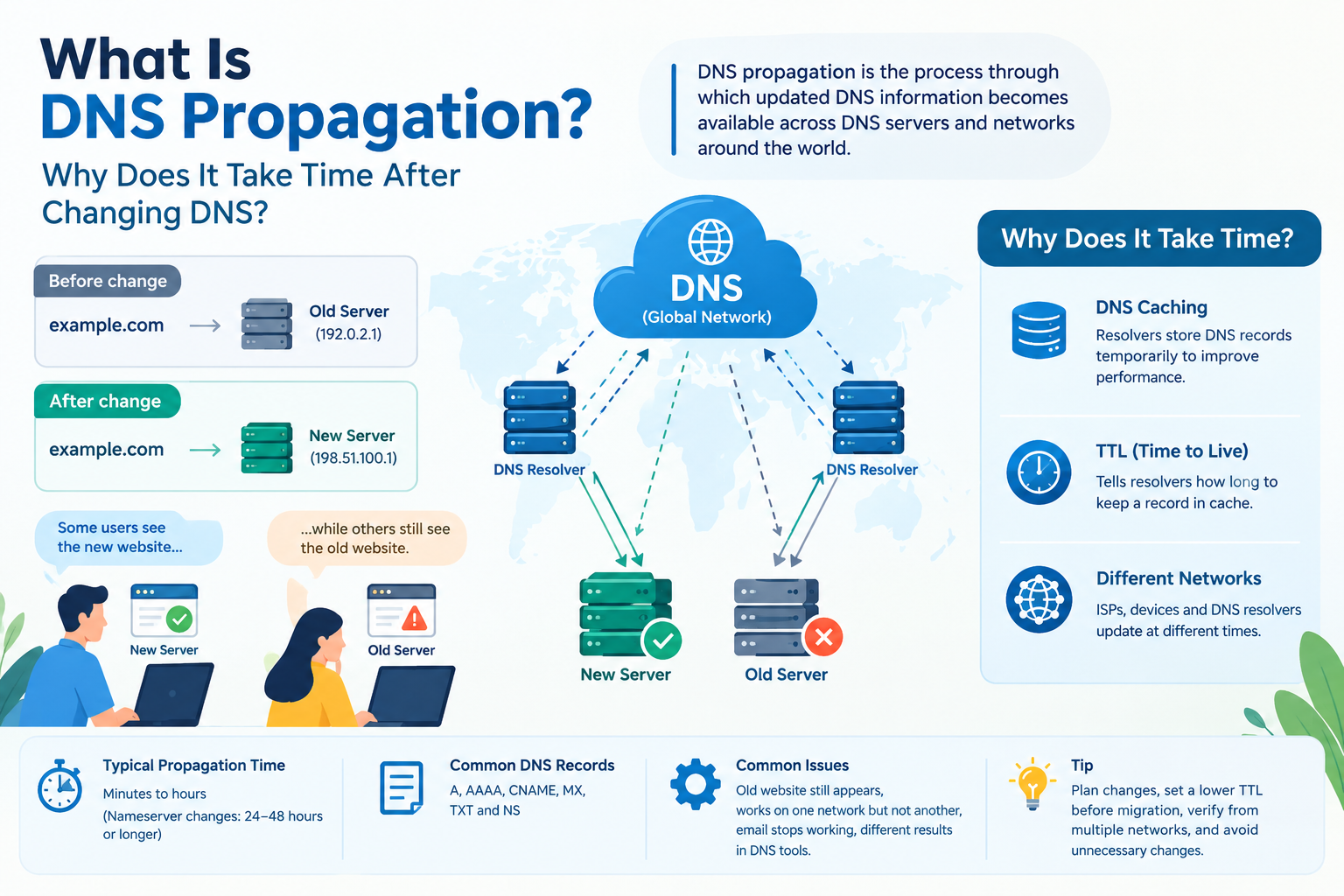
Our guide to moving a website without losing SEO covers backups, DNS updates, SSL checks and monitoring after the move. Plan it before you touch DNS.
• Record your URLs and your most linked pages before the move
• Use 301 redirects for any URL that changes
• Keep the old hosting active until DNS has fully switched
• Recheck your scores a few weeks later, in the same tool
How Do You Run A DA PA Checker In Seven Steps?
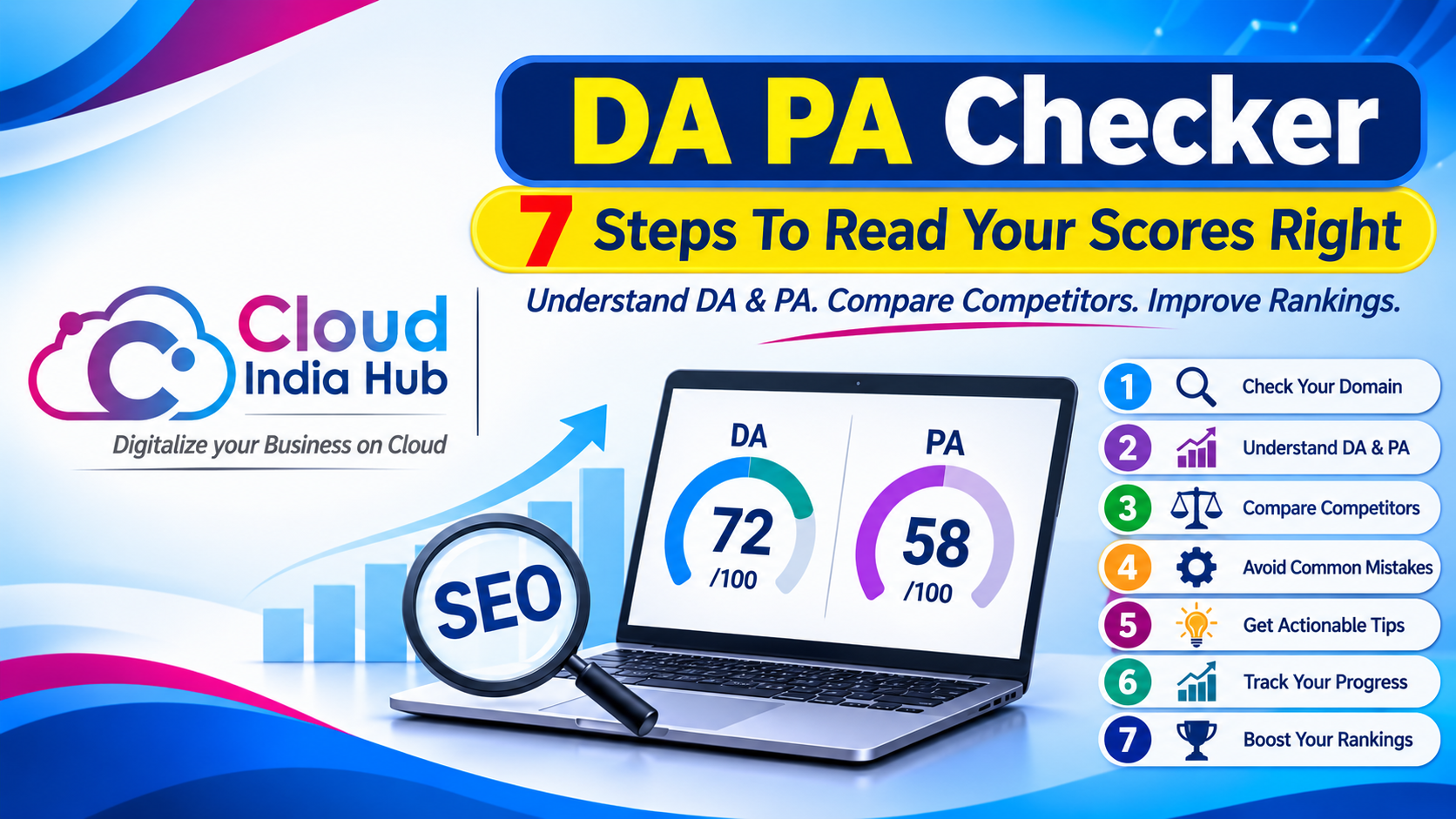
Run every lookup in one DA PA checker, record the date, and compare your site with its closest competitors rather than with a fixed target. The seven steps below turn a single lookup into a routine you can repeat each month.
1. Choose one tool. Note its name and the date of every lookup.
2. Enter your root domain. Record DA, linking domains and spam score.
3. Check your top pages. Record PA for the three pages that earn the most links.
4. Check four to five rivals. Use the same tool on the same day.
5. Read the gap. Compare yourself with rivals, not with a magic number.
6. Add context. Look up domain age and review the linking sites.
7. Log it monthly. One reading means little, but a trend tells you a lot.
Here is the routine on a made-up site. The tool shows you trailing four rivals. Instead of chasing their number, you open the rivals’ most linked pages, plan stronger pages on the same topics and earn links from relevant sites. A month later, you check the same tool again.
Frequently Asked Questions
What is a good DA score for a new website?
There is no fixed good number. New sites start low, so compare your score with the sites that rank for your keywords and watch the trend across several months.
Are DA And PA Checks Free?
Many free options exist, and a DA PA checker usually needs only a domain or URL. Paid plans add history, bigger batches and full link lists, so start free and upgrade when you hit limits.
Why did my DA change when I did nothing?
Tools recalculate scores as they re-crawl the web. New links to competitors, links that disappear or an index update can move your number without any edit on your site.
Can a bulk domain authority checker handle hundreds of domains?
Limits depend on the tool. Many free versions cap each batch, so split a long list into smaller runs or choose a paid plan built for large audits.
What is the difference between DA and PA?
DA scores a whole domain, while PA scores one URL. A strong domain can still host weak pages, so check both before you judge a prospect or a competitor.
Does a high DA guarantee rankings?
No, because Google does not use Domain Authority, so a high score cannot guarantee a position. Treat it as a comparison tool and keep improving your content.
Where Do You Go From Here?
Pick your tool, work through the seven steps today and log the numbers so next month’s reading means something. Run your first DA PA checker lookup this week, and talk to the Cloud India Hub team on 24x7 chat or call +91 98864 66777 for domain or hosting help.
Expert advice
|
A plain guide to using a DA PA checker: what Domain Authority and Page Authority measure, why Google ignores them, and a seven step routine to compare your site with rivals. |
Serving Bengaluru, Karnataka.









































































































































































































Leave A Comment