
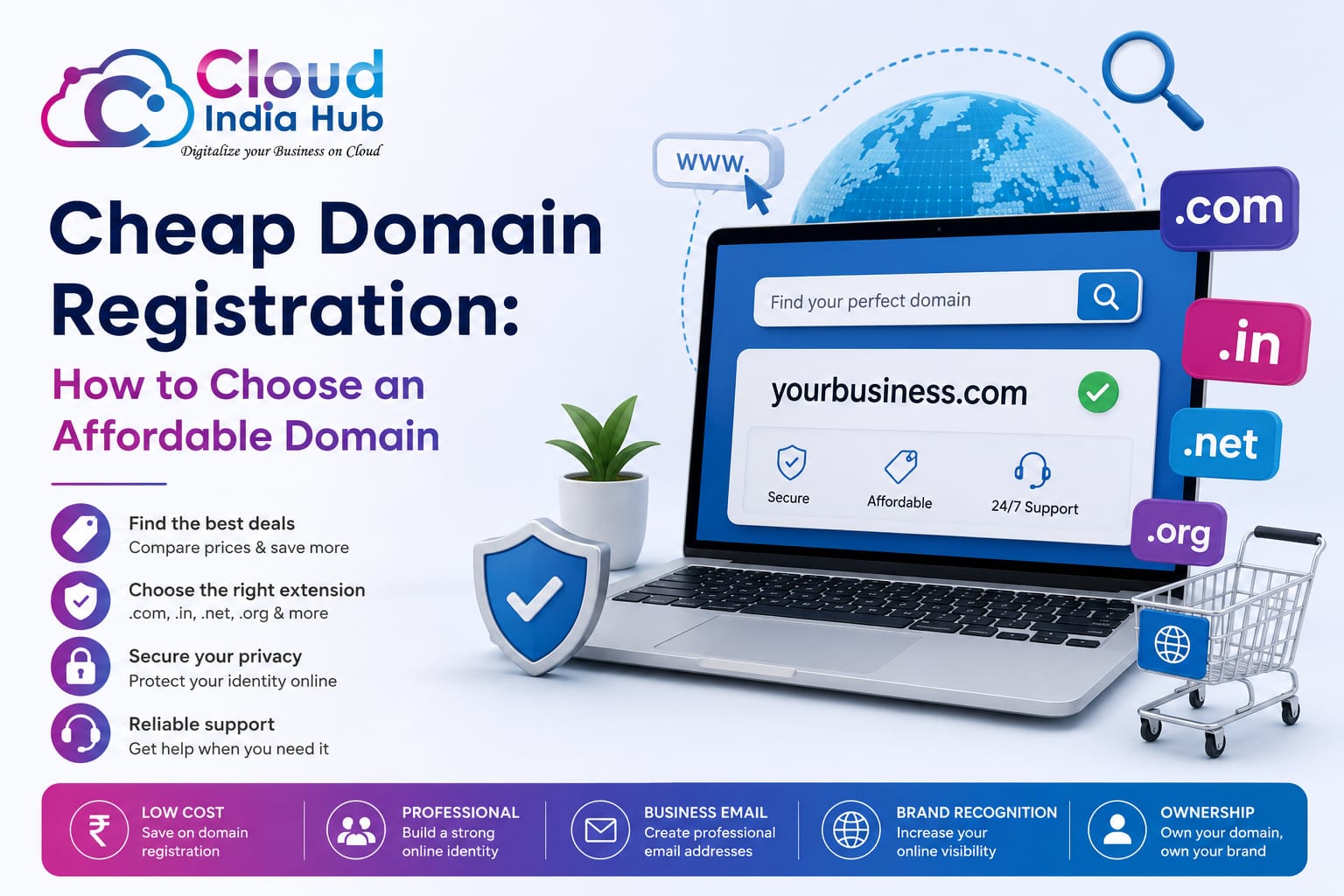
Cheap domain options make it easier for beginners, startups, and growing businesses to build an online identity without heavy upfront investment. Understanding what a cheap domain really means, how pricing works, and how to choose the right extension helps you avoid costly mistakes.
This guide explains cheap domains in simple terms, focusing on clarity, learning, and long-term value.
Table of Contents
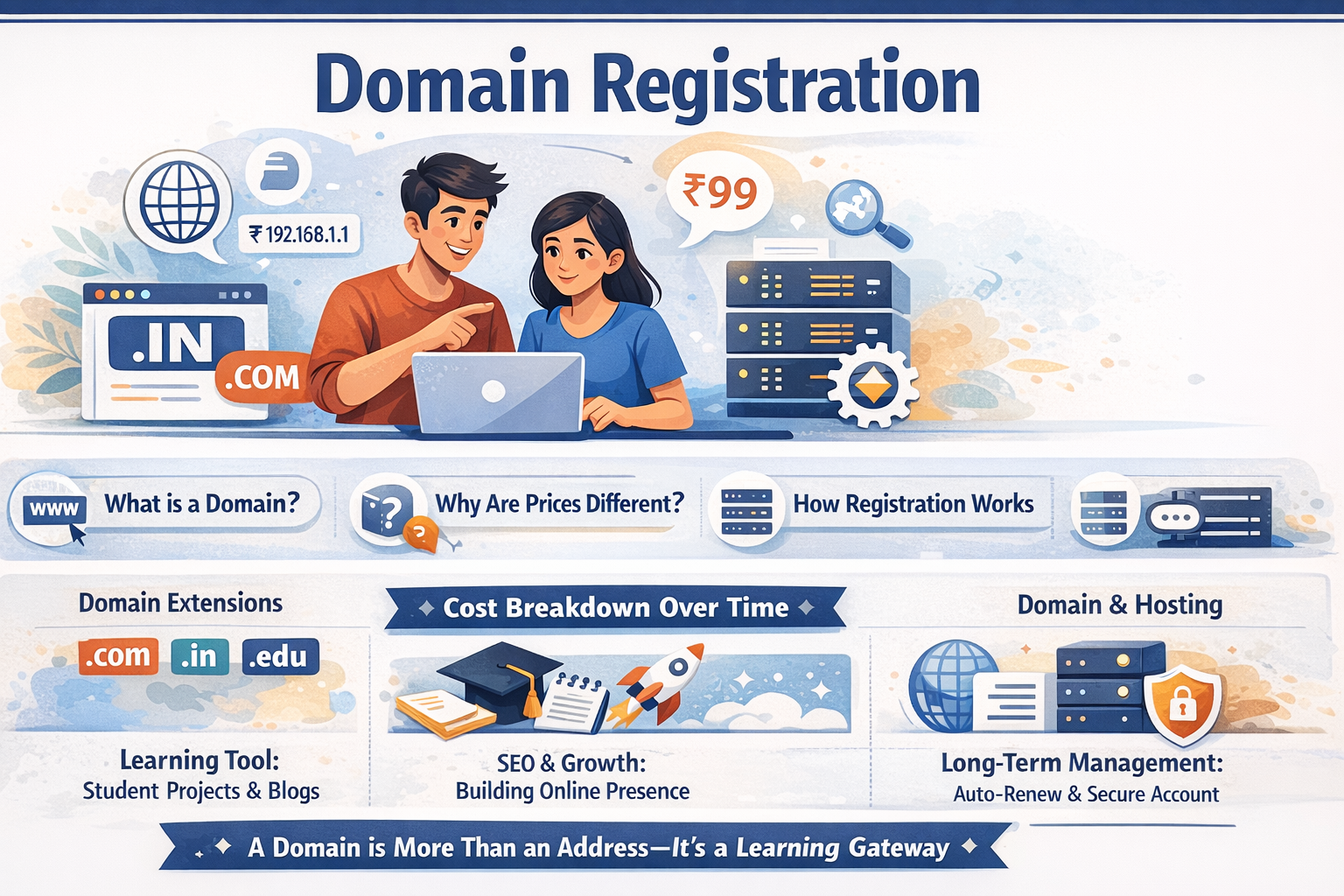
What Is a Cheap Domain?
How Cheap Domains Work on the Internet
Why Cheap Domain Prices Exist
Cheap Domain vs Premium Domain
Domain Extensions and Their Role
How to Choose the Right Cheap Domain
Pricing, Renewal, and Hidden Costs
Cheap Domains for Learning and Practice
Cheap Domain and Web Hosting Explained
Security and Privacy for Cheap Domains
Common Myths About Cheap Domains
Beginner Mistakes to Avoid
Planning Your First Cheap Domain Purchase
What to Do After Buying a Cheap Domain
Frequently Asked Questions
1. What Is a Cheap Domain?
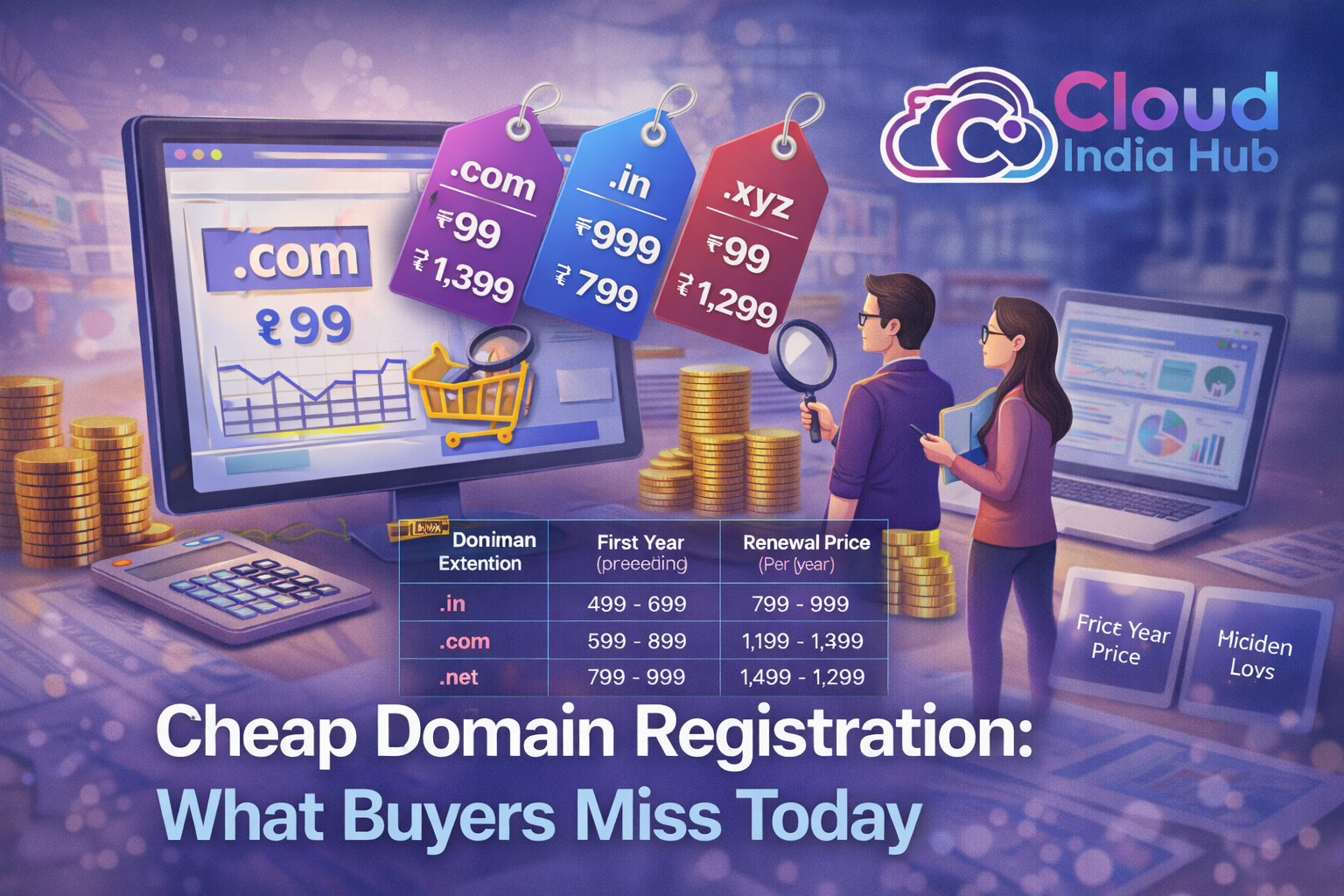
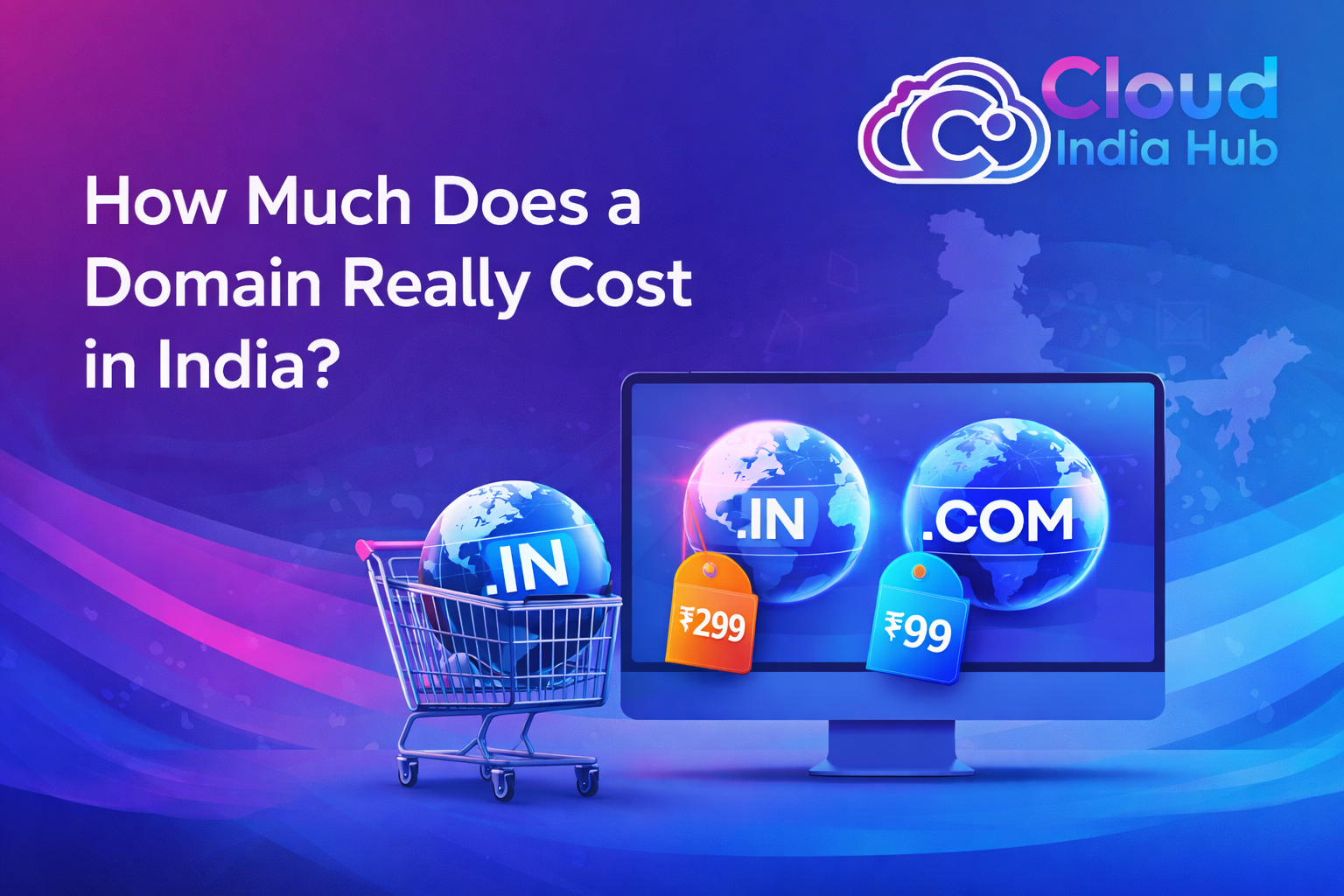
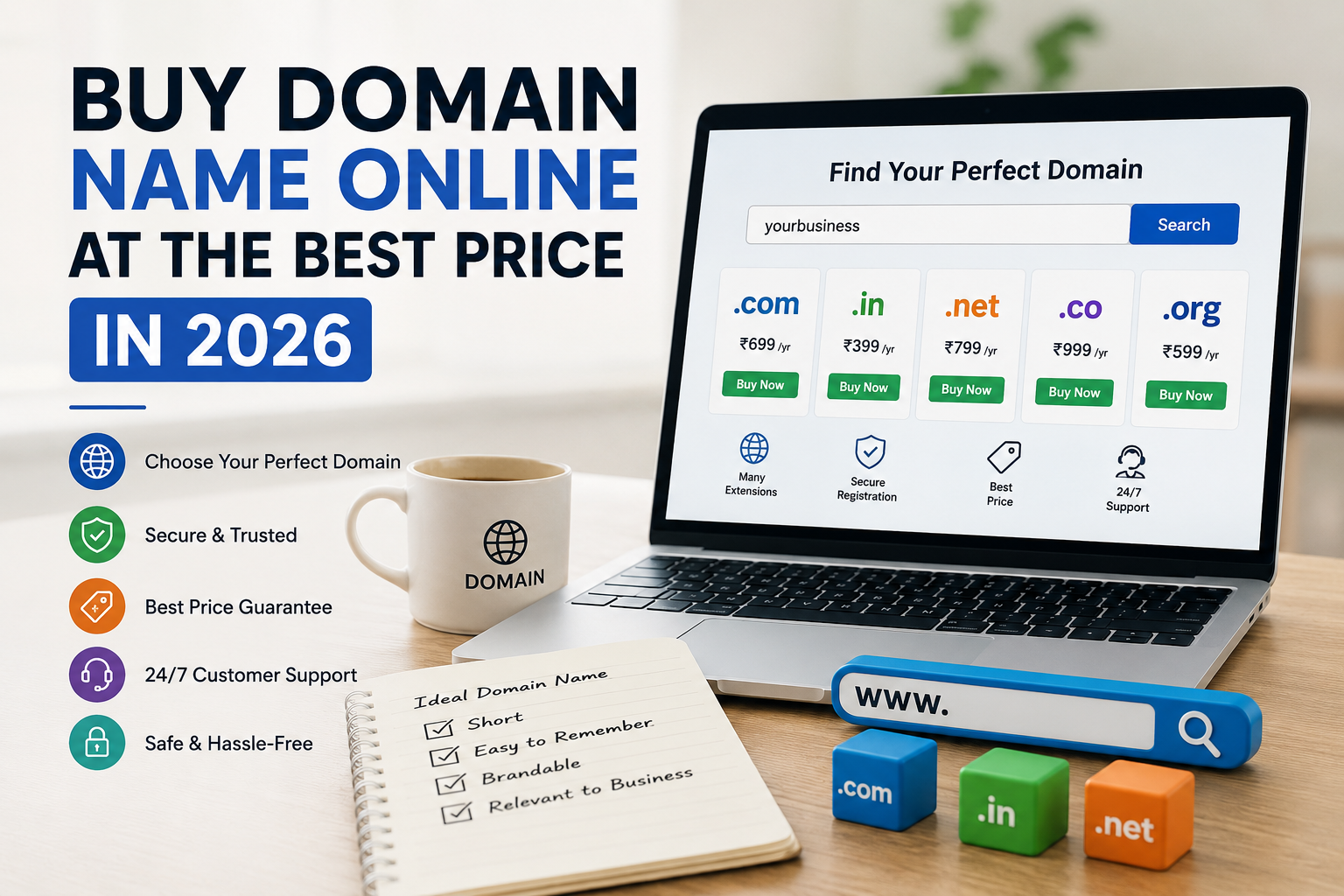
A cheap domain is a domain name registered at a lower cost, usually due to promotions, competitive pricing, or extension-specific offers.
Cost-effective entry into the digital space
Same technical functionality as expensive domains
Ideal for learning, startups, and early-stage projects
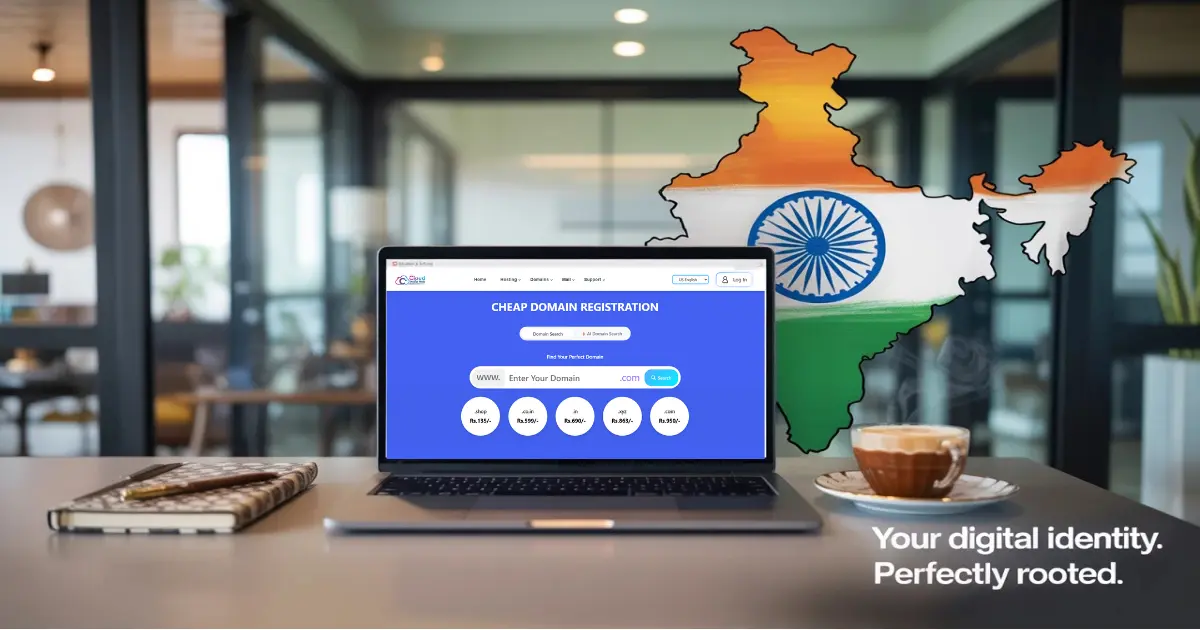
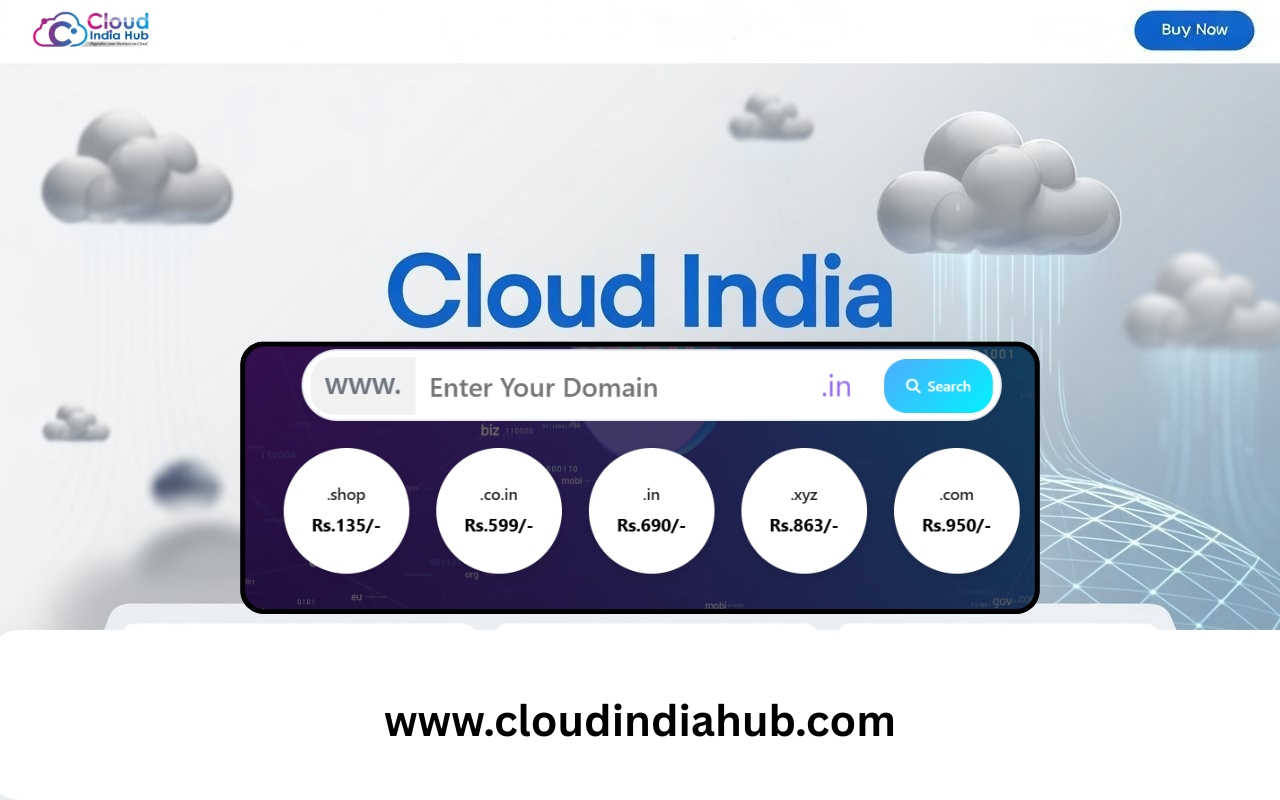
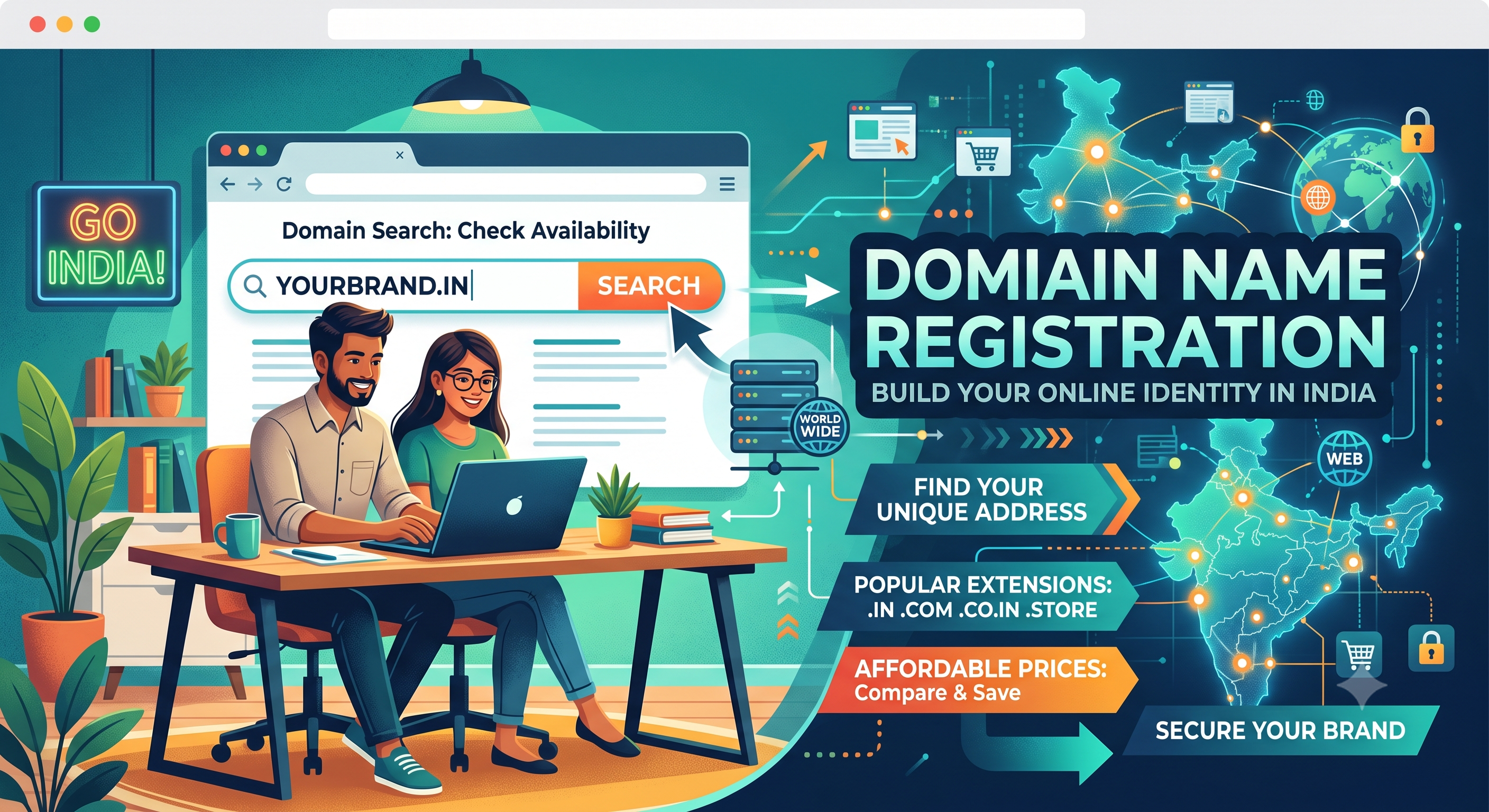
Many users begin by exploring cheap domain registration in India to understand how affordable domains work in real scenarios.
2. How Cheap Domains Work on the Internet
Cheap domains function exactly like any other domain.
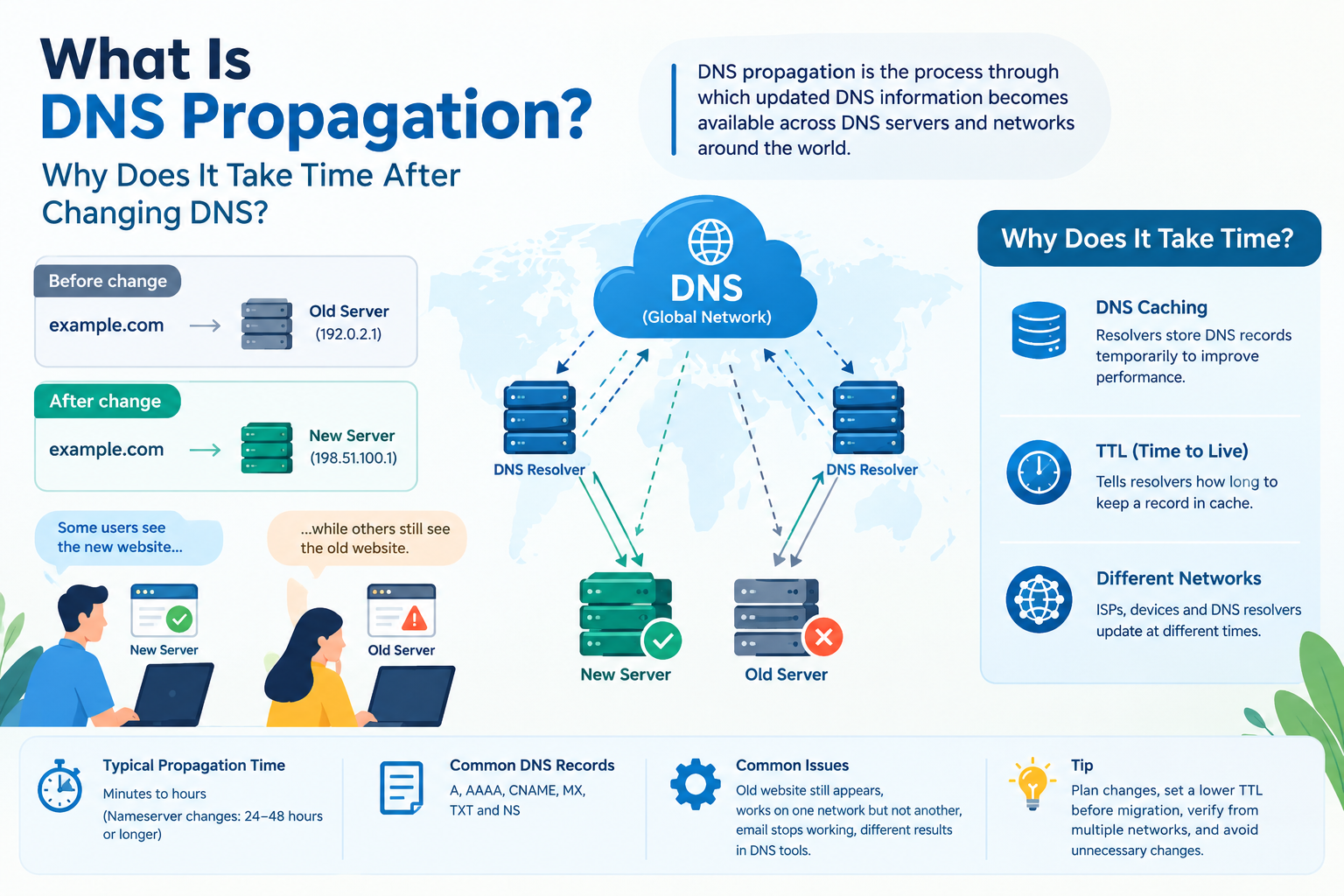
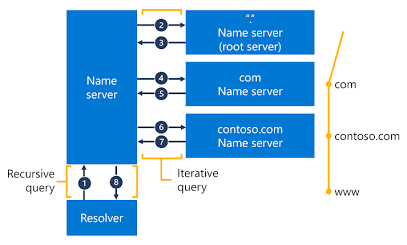
Browsers use DNS to locate servers
Domain names map to IP addresses
Pricing does not affect performance
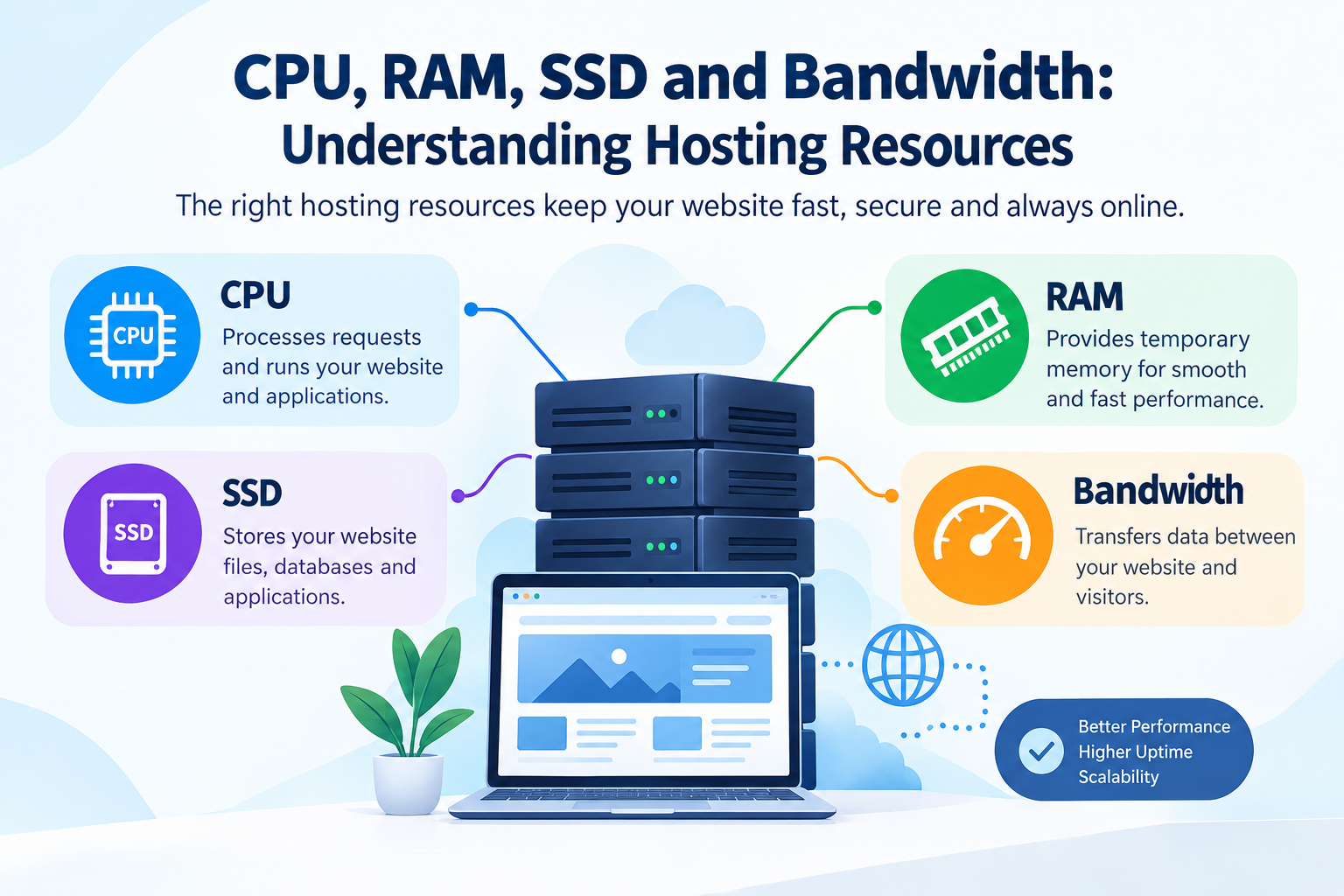
To make a domain usable, it is commonly connected with reliable web hosting services that store website files.
3. Why Cheap Domain Prices Exist
Cheap pricing often confuses beginners.
Registrars offer discounts to attract users
Some extensions cost less to maintain
First-year offers are commonly subsidized
Educational explanations of pricing models are often shared through technical blogs that focus on domain fundamentals.
4. Cheap Domain vs Premium Domain
Understanding this difference is essential.
Cheap domains are standard, unused names
Premium domains are high-demand or short names
SEO does not depend on domain price
For most beginners, a cheap domain is more practical than a premium investment.
5. Domain Extensions and Their Role
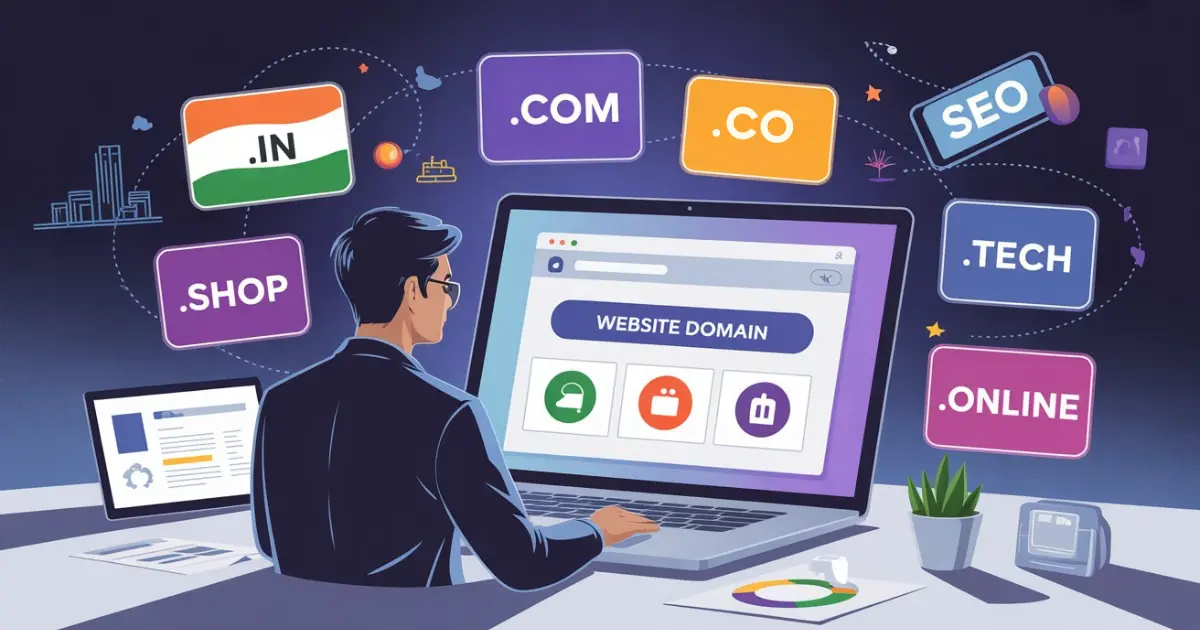
Domain extensions influence perception, not functionality.
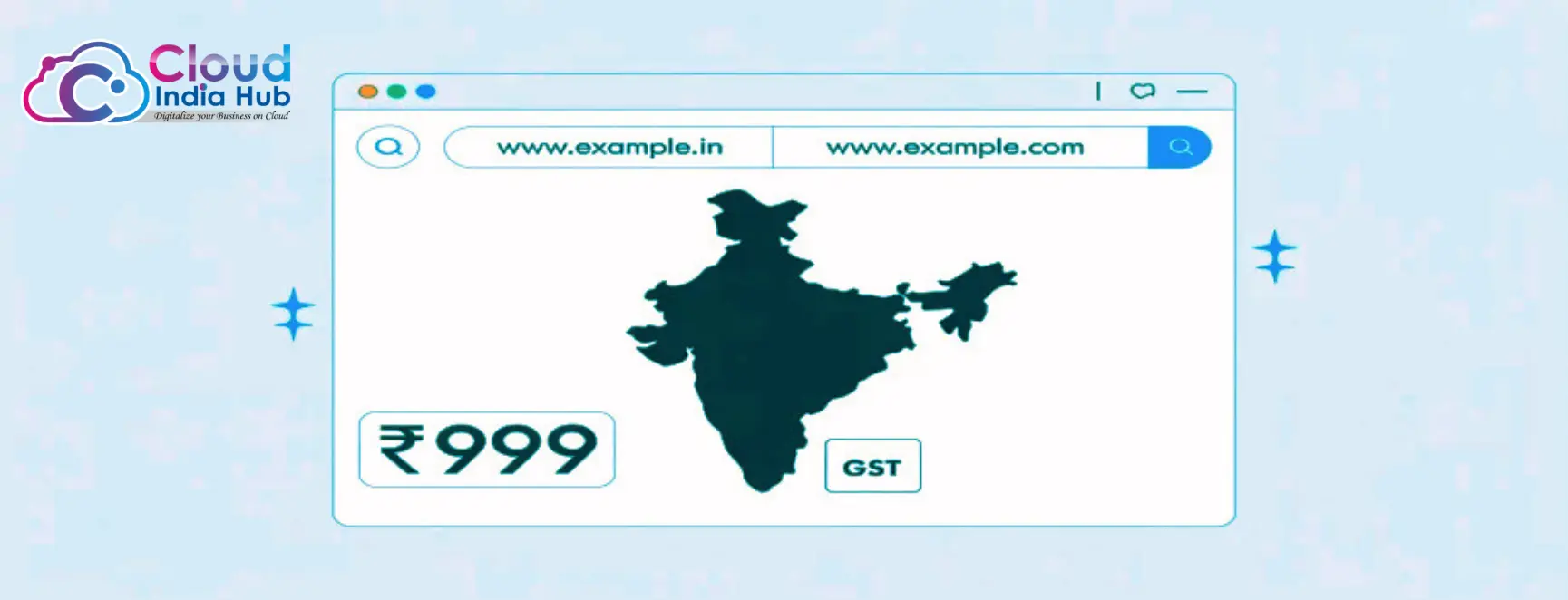
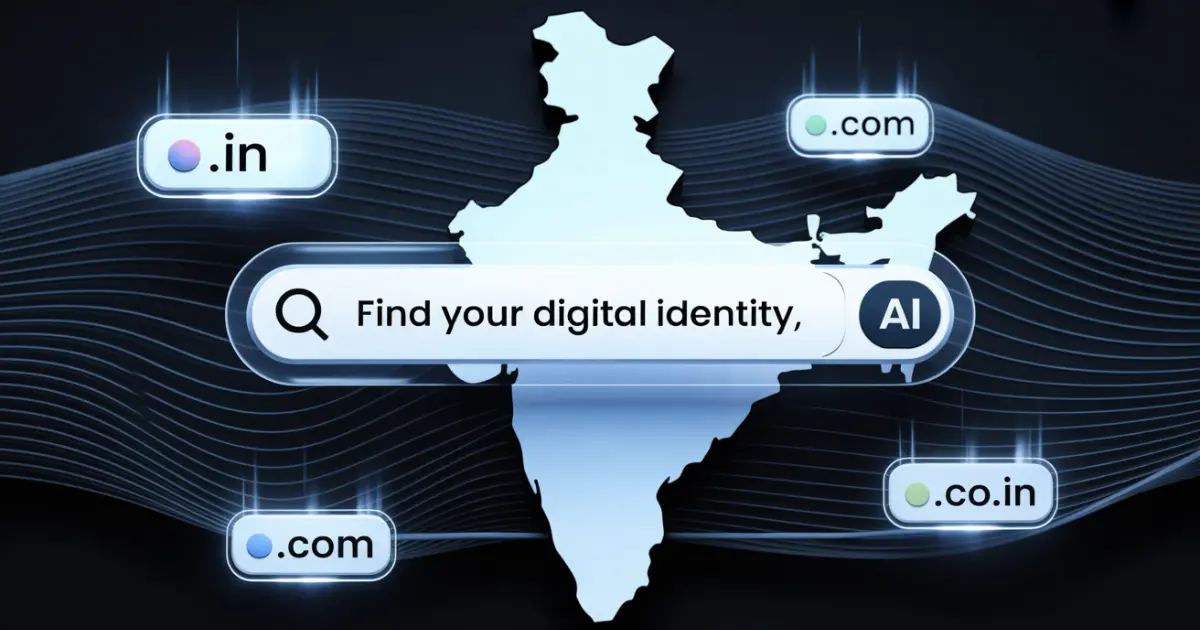
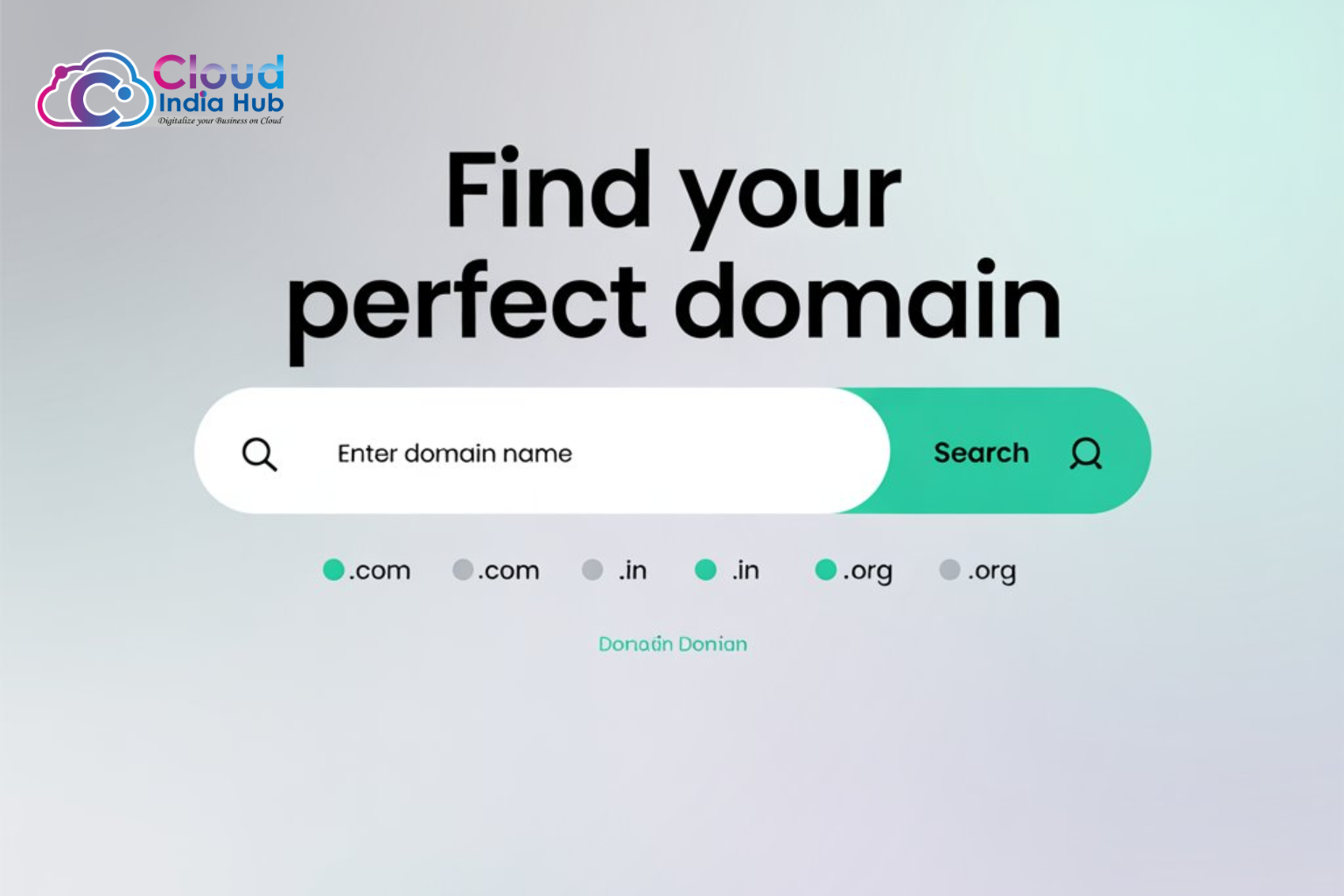
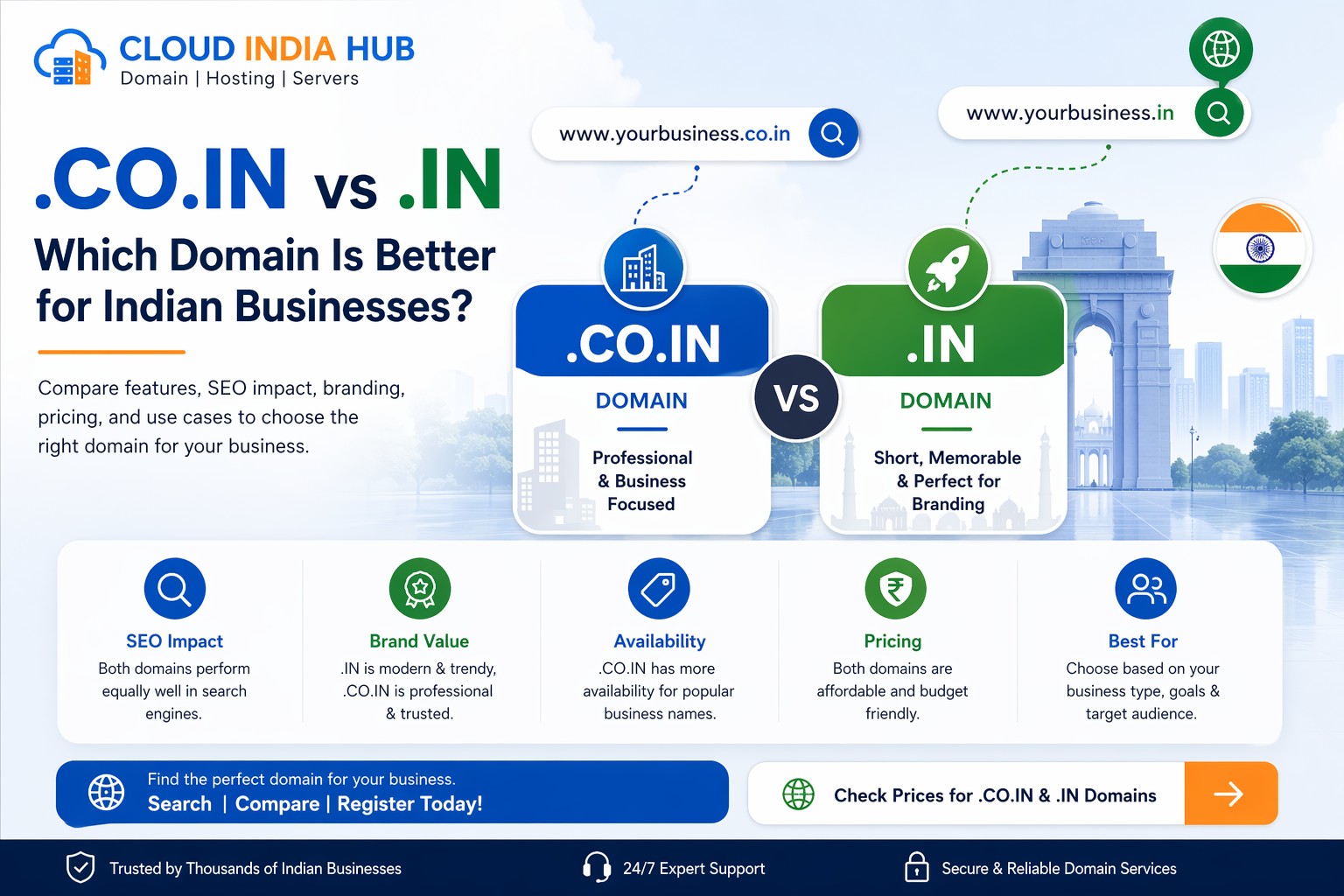
.in for India-focused projects
.com for global visibility
.net / .org for niche or educational use
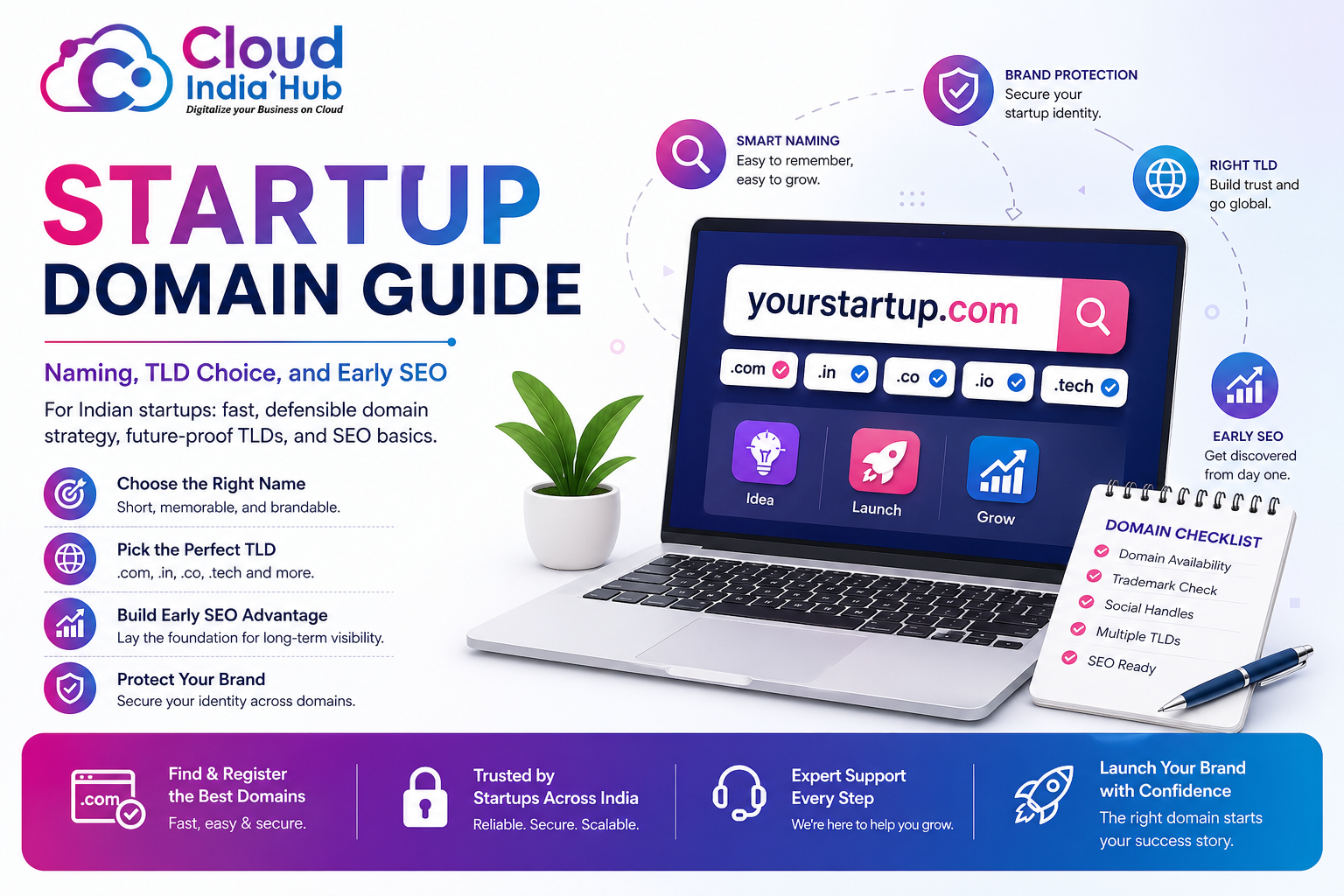
Extension selection is often discussed alongside cheap domain strategies to ensure clarity for learners.
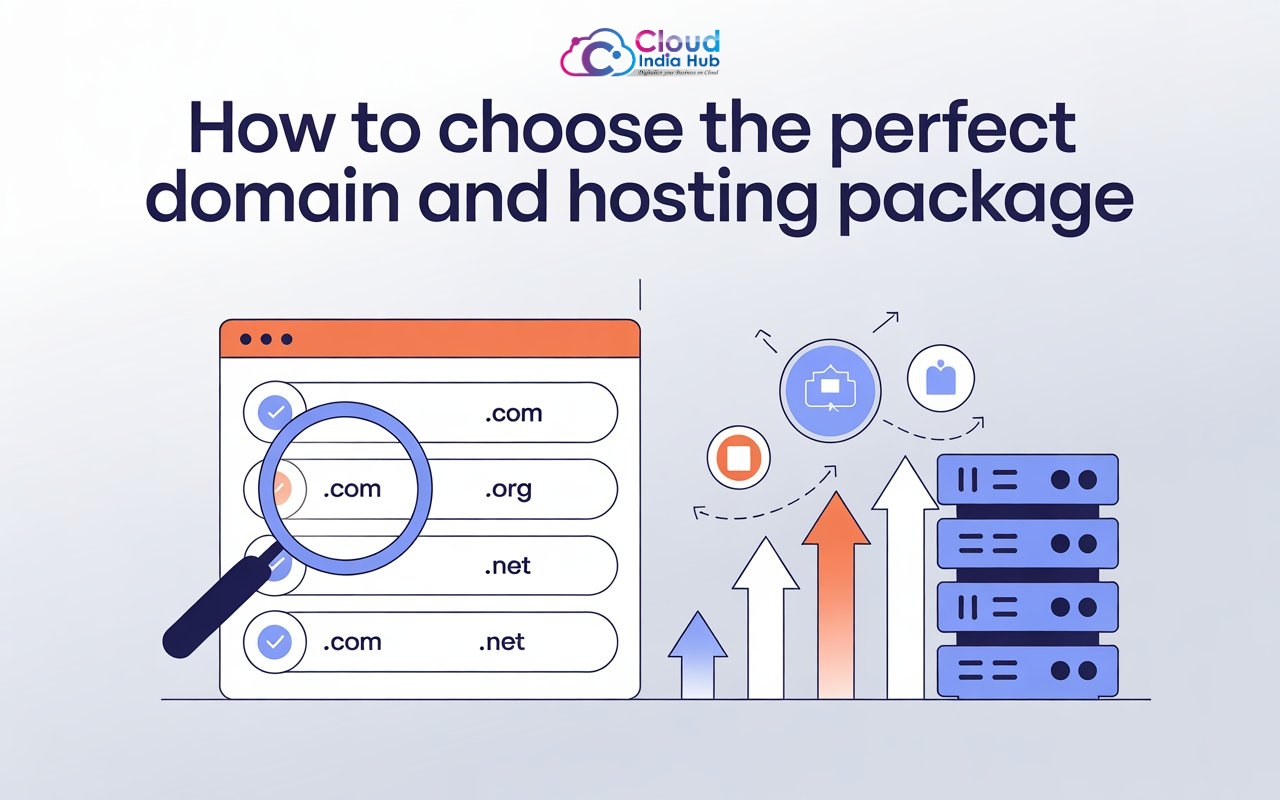
6. How to Choose the Right Cheap Domain
Choosing wisely saves time and money.
Keep the name short and readable
Avoid numbers and hyphens
Match the domain to your purpose
Clear answers to common selection doubts can be found in the FAQ resources before purchase.
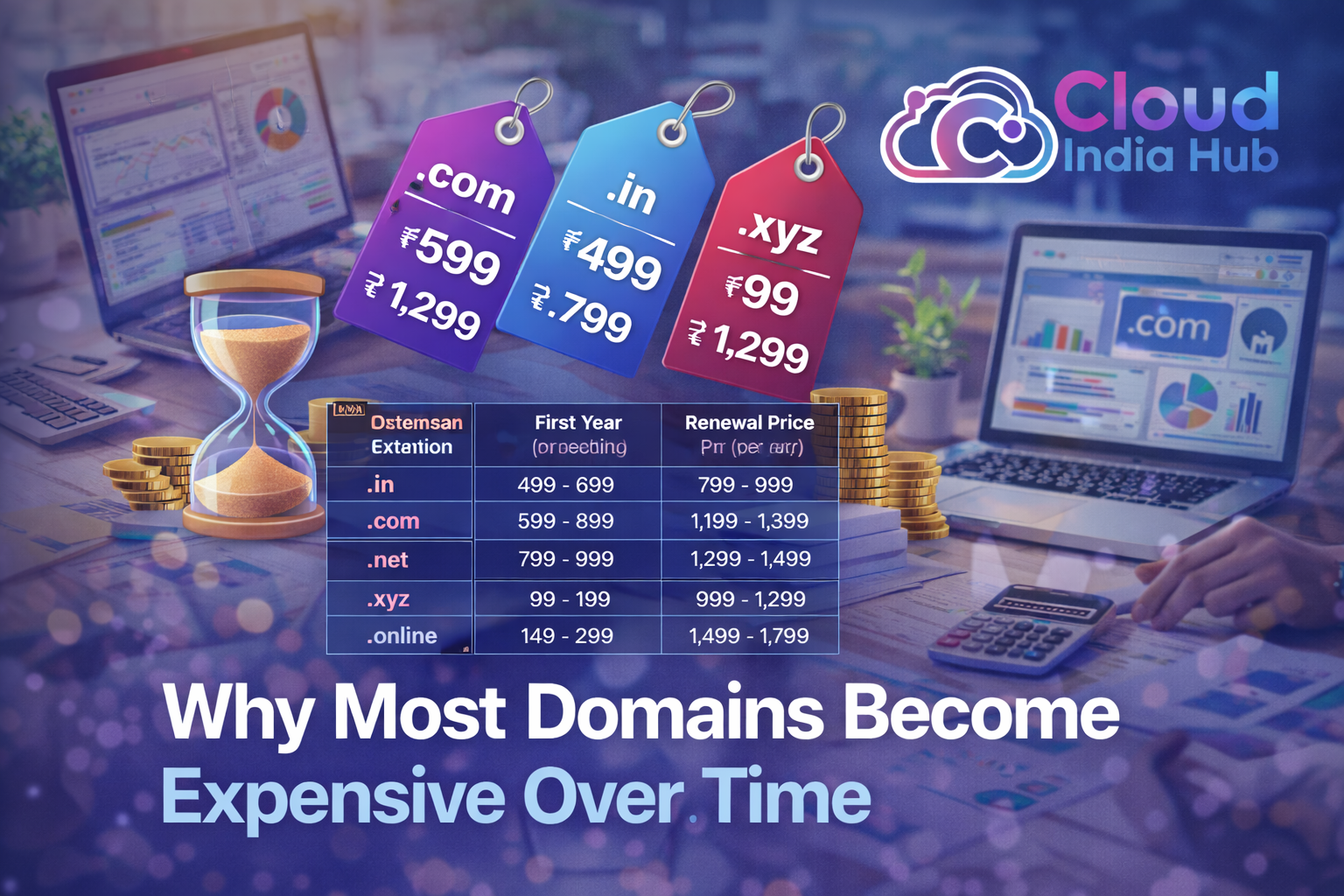
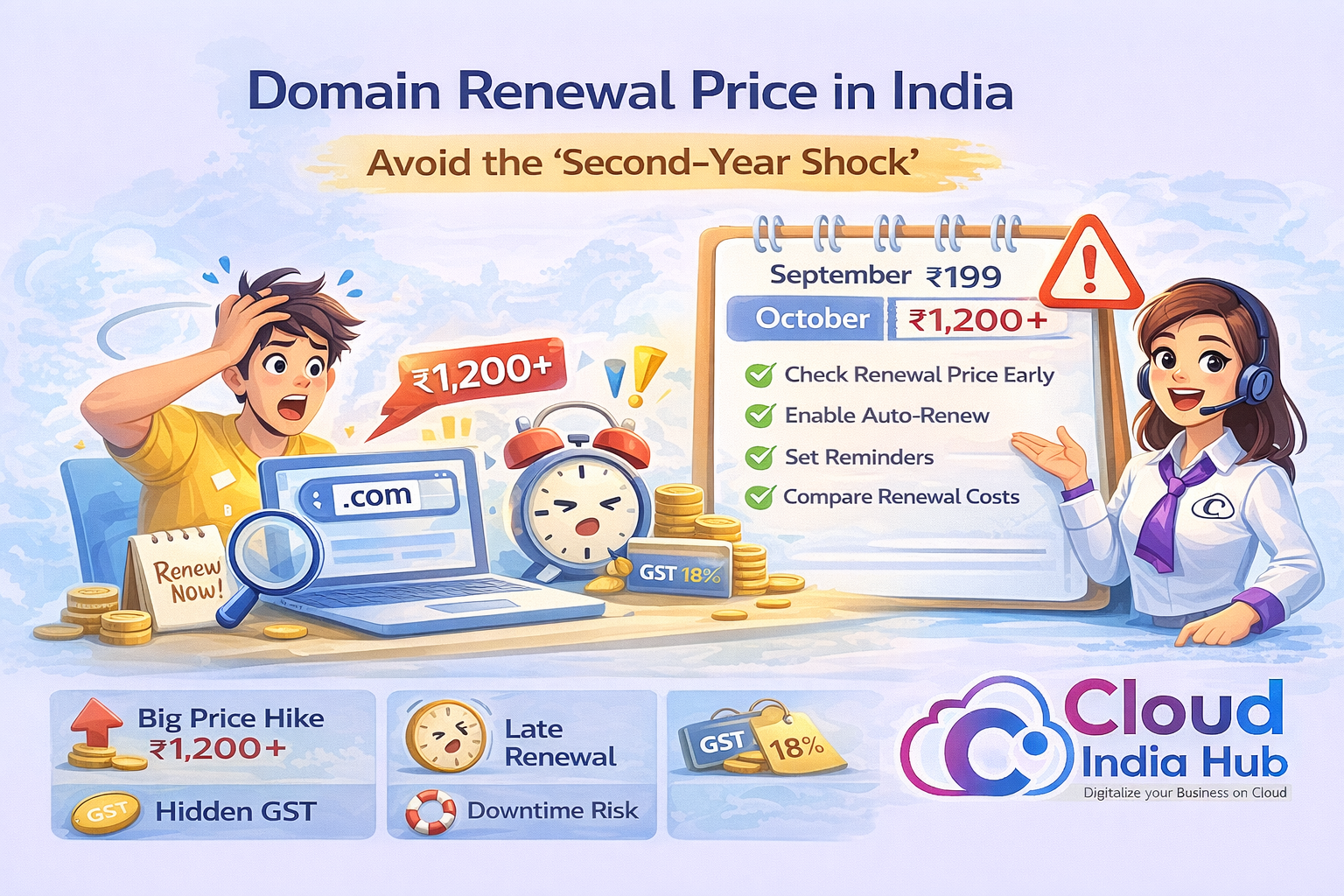
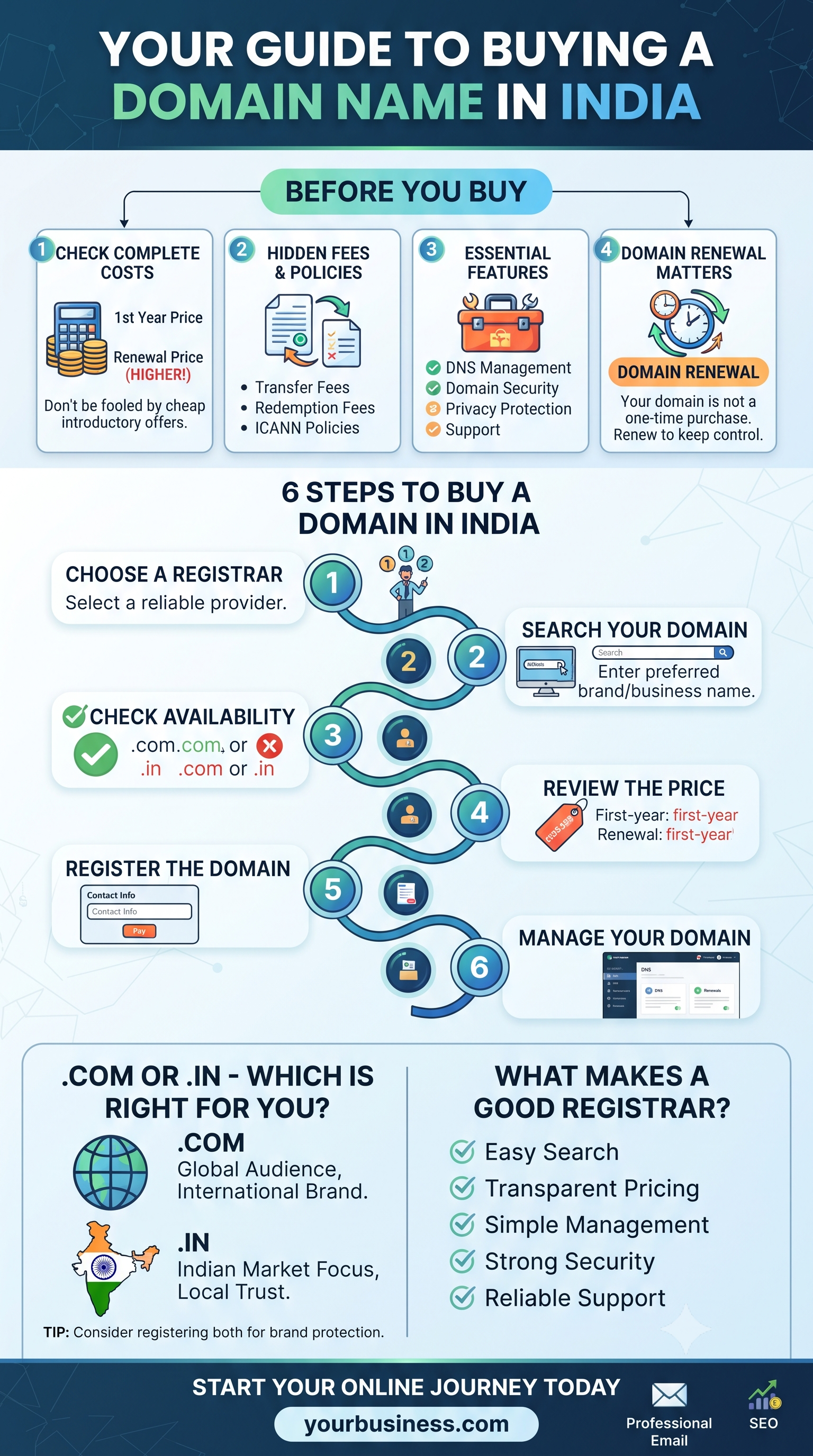
7. Pricing, Renewal, and Hidden Costs
Understanding long-term cost is critical.
Reliable providers clearly explain renewal terms for cheap domain buyers.
8. Cheap Domains for Learning and Practice
Cheap domains are widely used for education.
Student portfolios
Coding and CMS practice
Blogging experiments
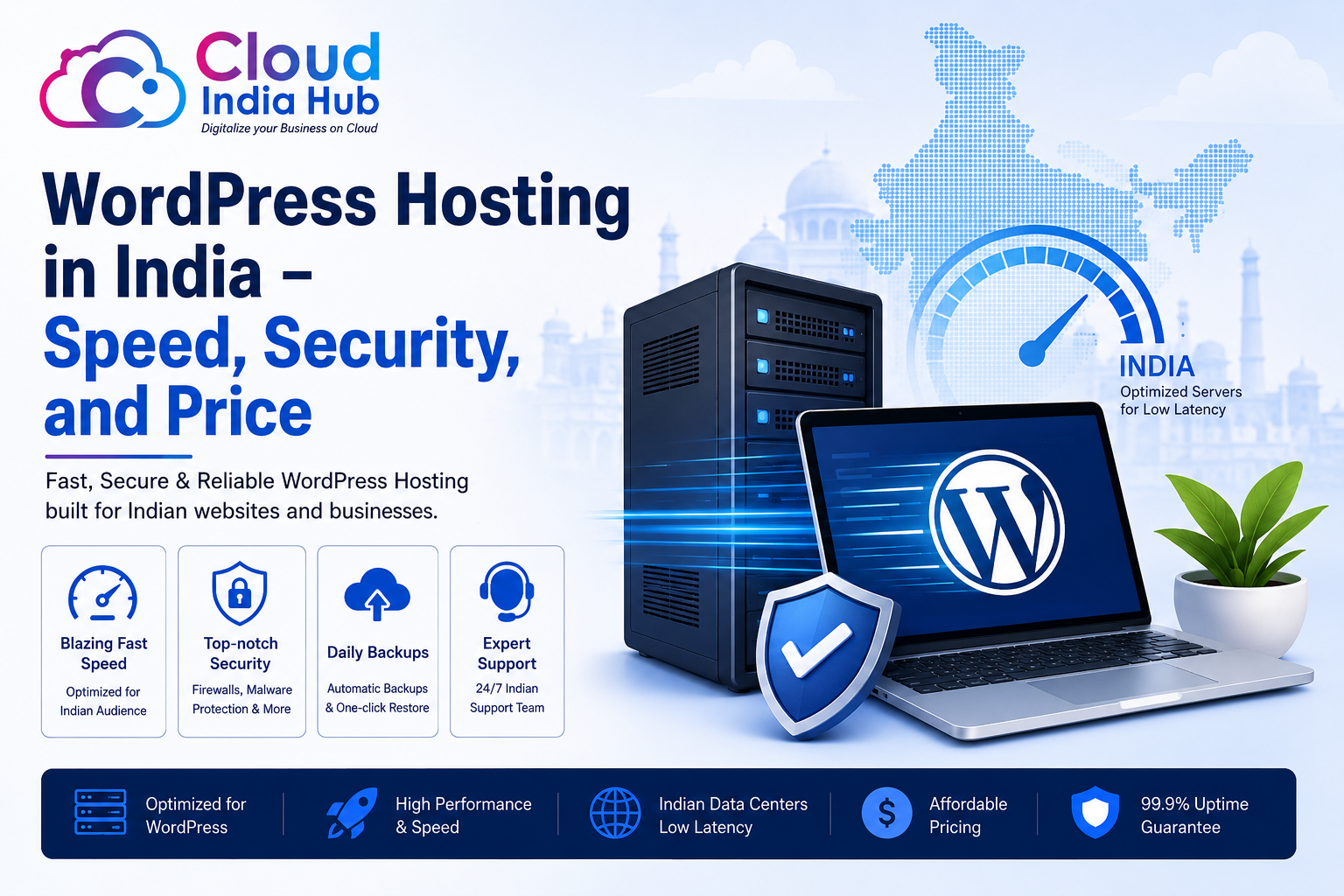
Many learners pair domains with WordPress hosting to practice publishing real websites.
9. Cheap Domain and Web Hosting Explained
This is a common beginner's confusion.
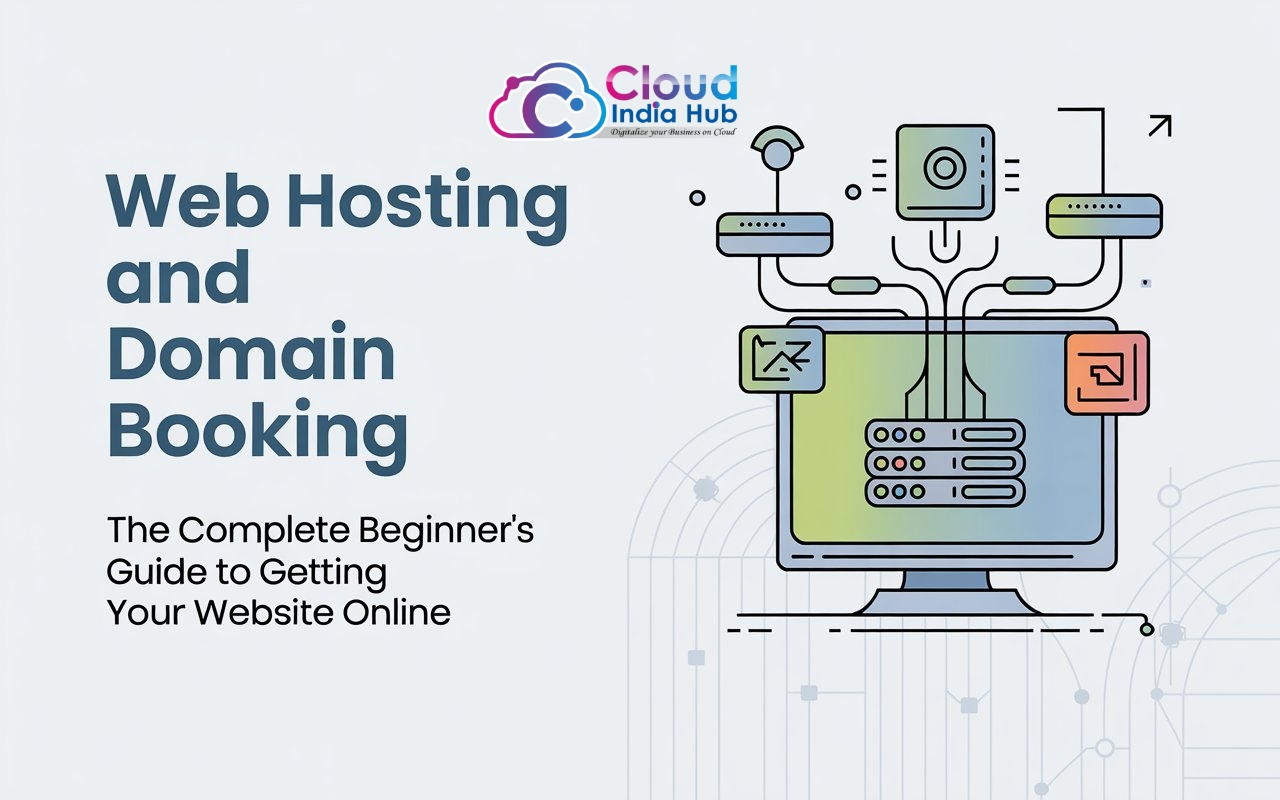
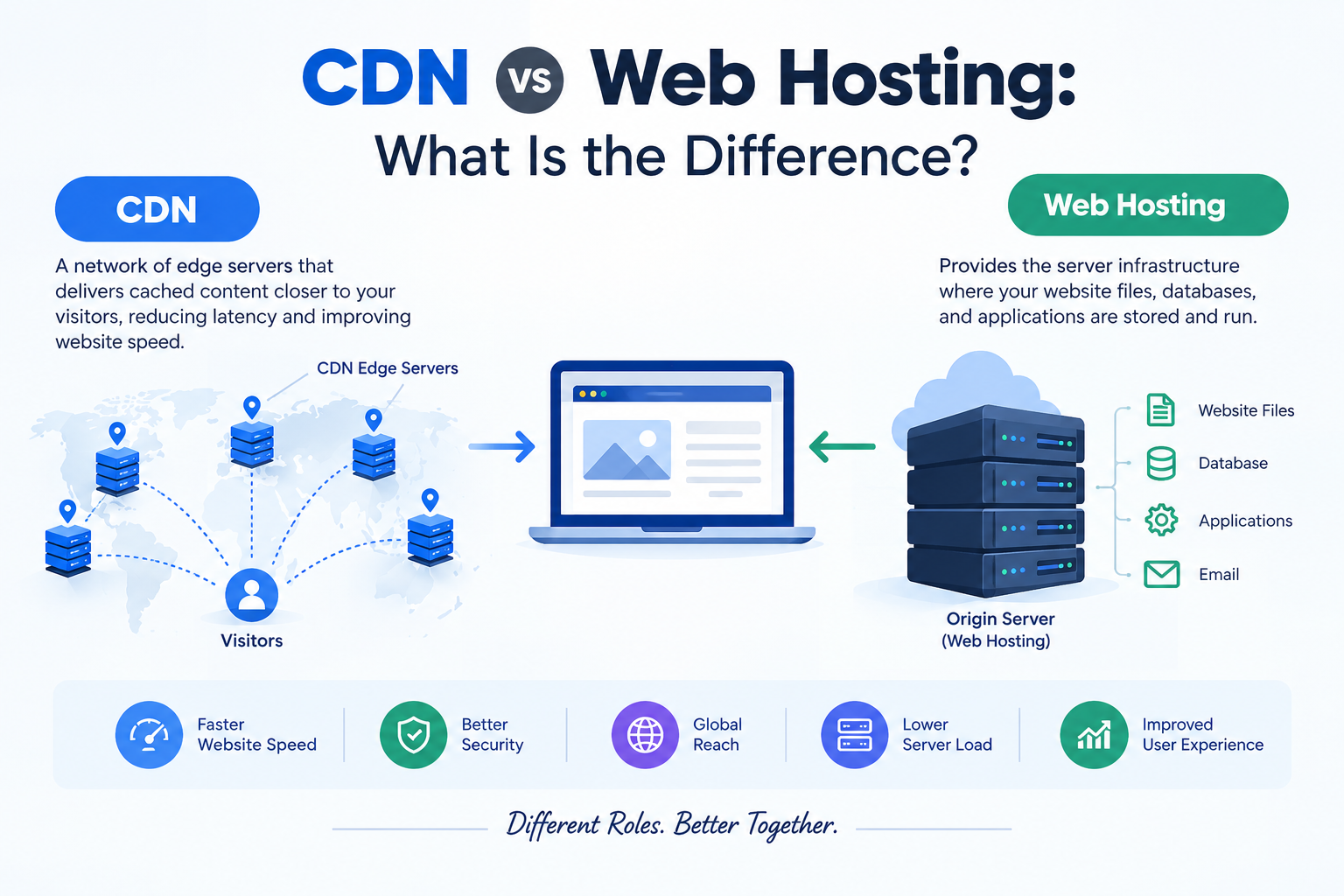
Domain = website address
Hosting = server space
Both are required
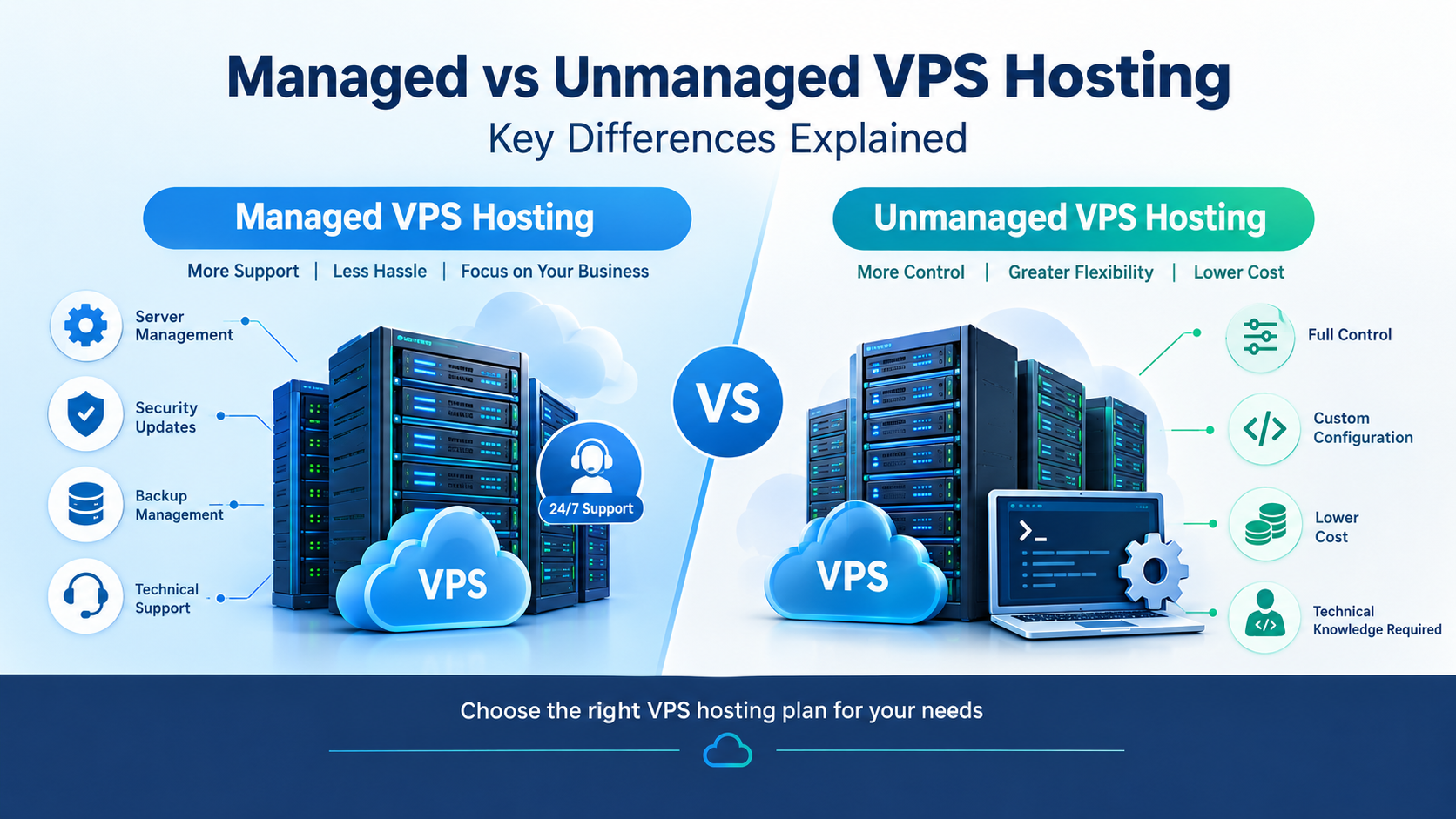
As projects grow, users may upgrade to VPS plans to learn scalability concepts.
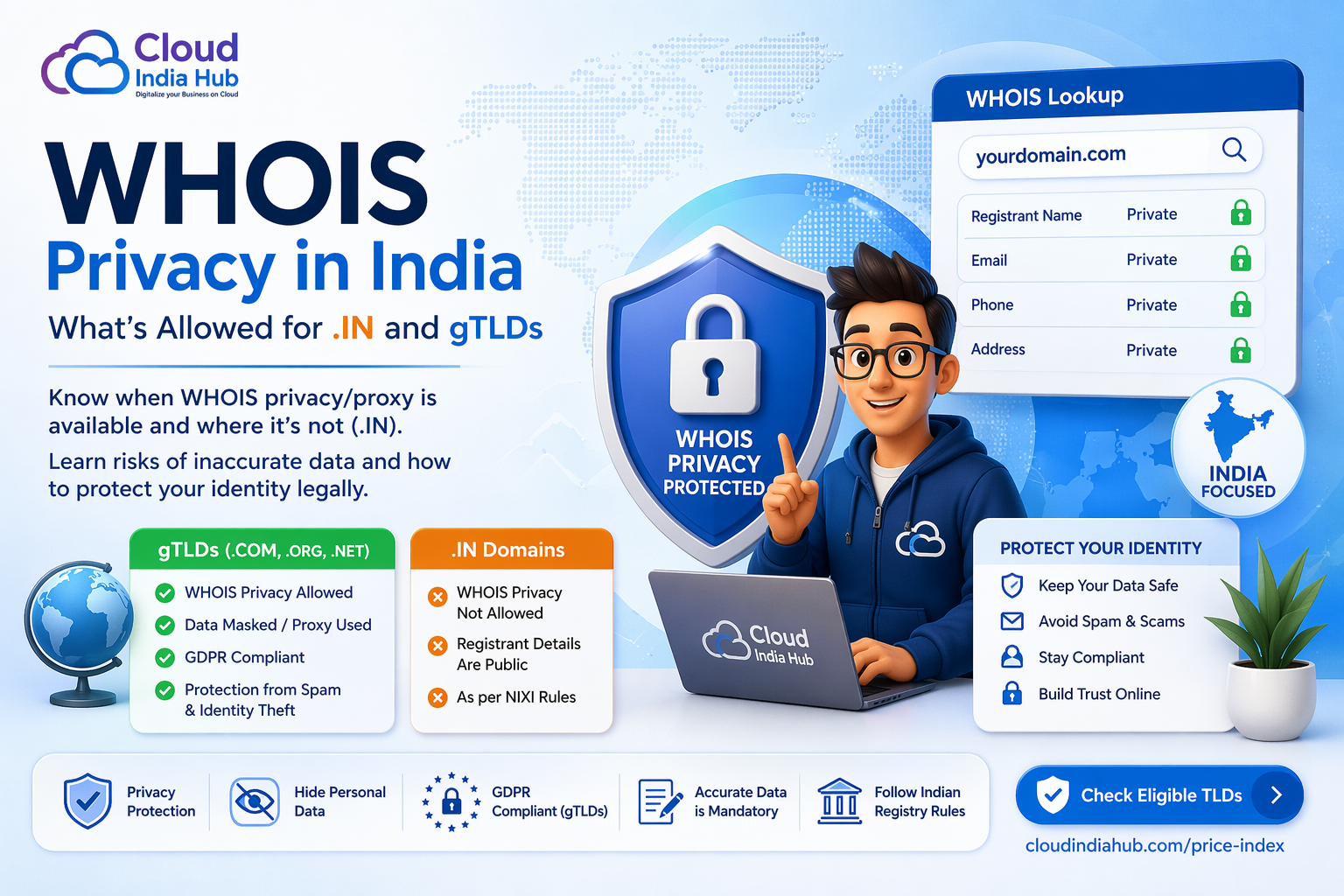
10. Security and Privacy for Cheap Domains
Low cost does not mean low security.
WHOIS privacy protects personal details
DNS security prevents redirection issues
Account security prevents hijacking
Most security-related doubts are clarified in domain FAQ sections.
11. Common Myths About Cheap Domains
Education helps eliminate misinformation.
Cheap domains are not bad for SEO
Google does not rank by domain price
Ownership rights are identical
Real-world experiences shared in testimonial pages often confirm this.
12. Beginner Mistakes to Avoid
Avoiding mistakes improves learning outcomes.
Forgetting renewal dates
Choosing overly complex names
Ignoring privacy settings
Learning from others helps reduce early-stage errors.
13. Planning Your First Cheap Domain Purchase
A structured approach works best.
Define your project goal
Select a clear name
Check renewal pricing
Start with a one-year term
Expert guidance is always available via contact us if clarification is needed.
14. What to Do After Buying a Cheap Domain
A domain opens multiple learning paths.
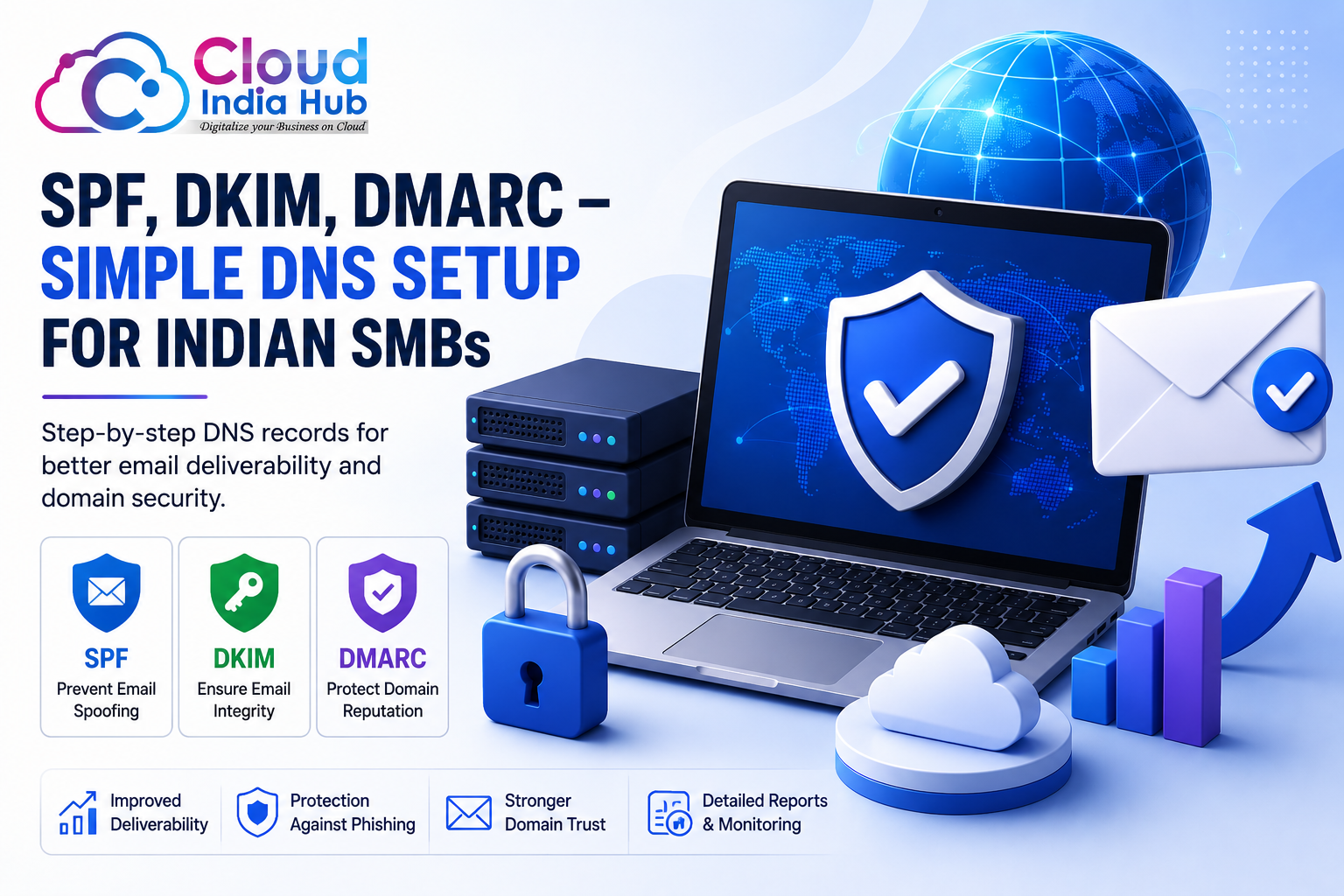
DNS configuration
Website deployment
SEO fundamentals
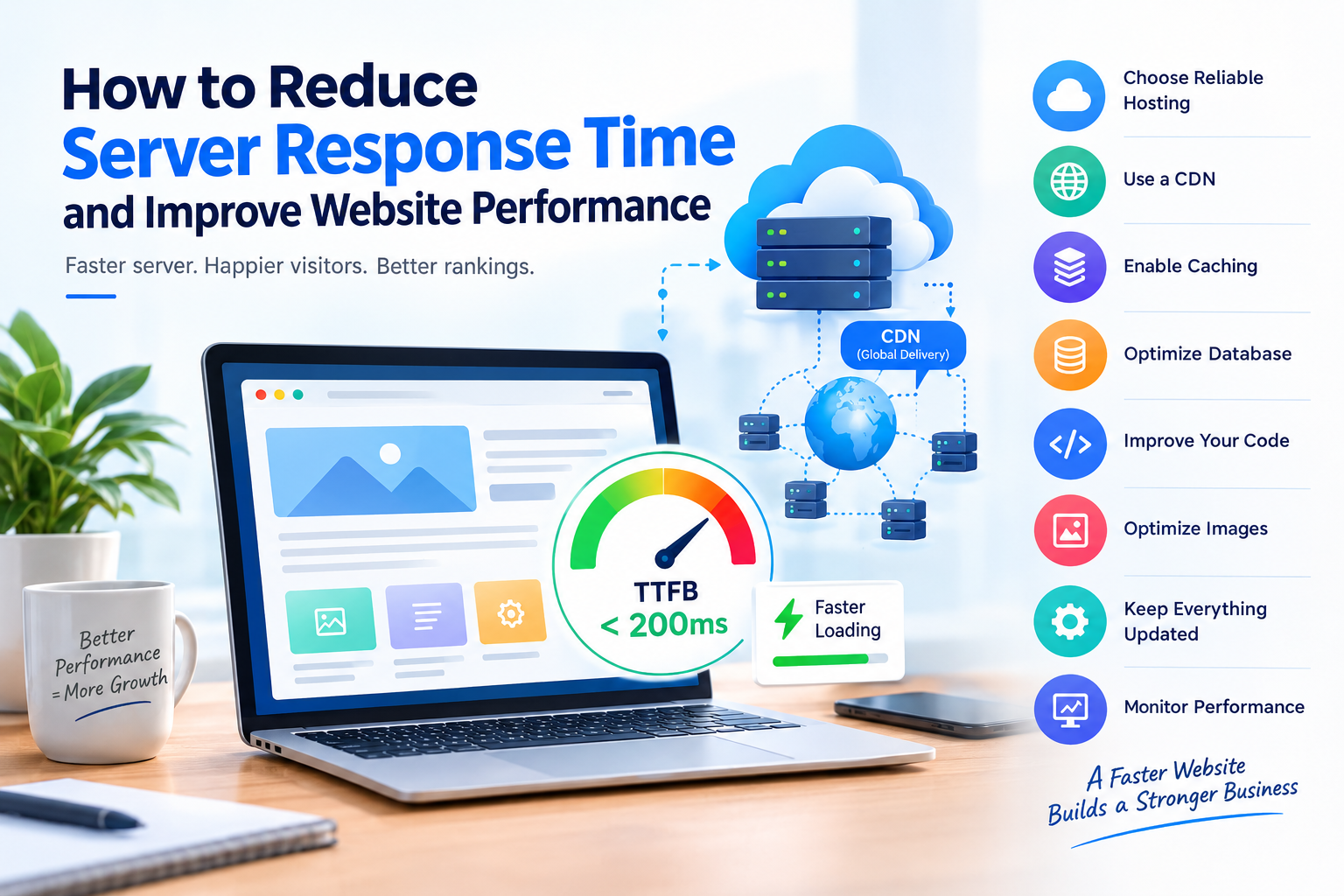
Performance optimization
Domains become long-term digital assets when used correctly.
Conclusion
A cheap domain is an excellent starting point for learning, experimentation, and building an online presence.
By understanding how cheap domains work, how pricing is structured, and how to manage them securely, beginners and businesses can make informed decisions without unnecessary spending. With the right knowledge, a cheap domain can become a powerful digital foundation.
FAQs
Is a cheap domain reliable?
Yes, reliability depends on the registrar, not the price.Does a cheap domain affect SEO?
No, SEO depends on content and hosting quality.Can I upgrade my domain later?
Yes, you can register or transfer domains anytime.Is domain privacy necessary?
Highly recommended for individuals.How long should beginners register domains for?
One year is sufficient initially.









































































































Leave A Comment