

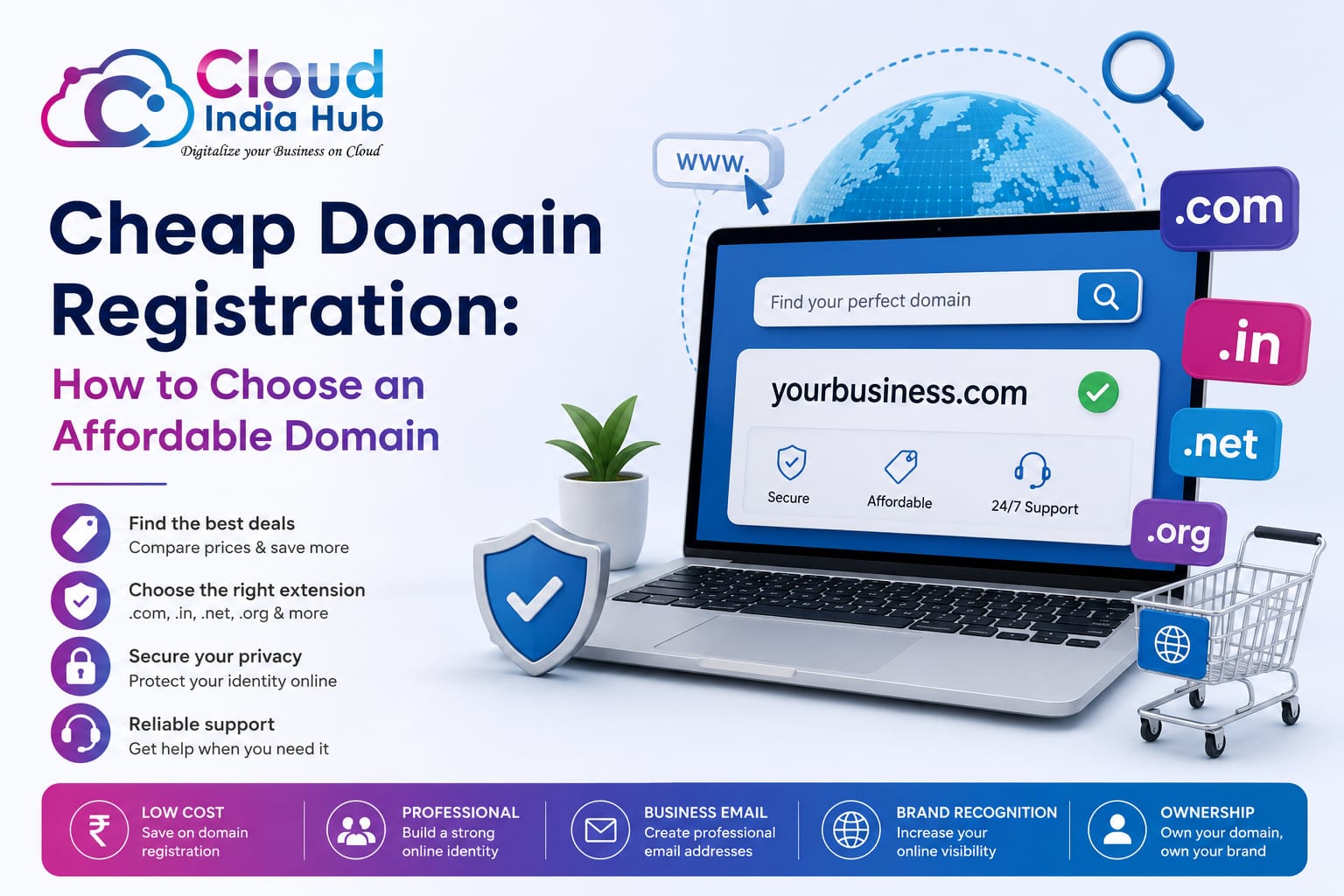
Getting a domain name set up often marks the starting point for many online projects. With numerous options available, finding reliable cheap domain registrars that offer good service without high costs can feel challenging.
The focus here is on providers that keep cheap domain registration straightforward, with transparent pricing and useful features for long-term use
Table of Contents
- Introduction
- Why Choosing a Cheap Domain Registrar Matters
- Understanding Domain Pricing and Costs
- Key Factors to Consider When Selecting Cheap Domain Registrars
- Popular Domain Extensions and Their Uses
- .in Domains: A Strong Choice for Brand Visibility
- The Role of WHOIS Privacy in Domain Registration
- Comparing First-Year vs Renewal Prices
- Domain Transfer Processes and Considerations
- Payment Options and Customer Support Features
- Bundling Domains with Hosting for Added Value
- Common Pitfalls in Affordable Domain Registration
- How to Choose the Right Registrar for Long-Term Needs
- Future Trends in Domain Registration
- Frequently Asked Questions (FAQs)
This detailed overview covers multiple aspects ofaffordable domain registration, including pricing structures, key features, and practical considerations. It aims to help you evaluate choices based on current practices in domain registration costs and capabilities. If you are ready to secure a domain that fits your needs, many registrars allow quick searches for availability.
2. Why Choosing a Cheap Domain Registrar Matters for Your Online Presence
A domain name serves as the primary identifier for any website, influencing how easily people find and remember your online presence. Selecting from cheap domain registrars allows access to this essential step without large upfront expenses, making it feasible for various projects to get started.
Reliability remains important even at lower prices. Accredited registrars ensure proper management of registrations and renewals.
Many users prioritize options that provide clear pricing in local currency and avoid unexpected fees later.
Features such as straightforward DNS management and basic security tools contribute to maintaining a stable site over time.
Choosing wisely from the start saves time and money down the line, allowing focus to remain on building the actual site rather than dealing with registrar issues.
3. Understanding Domain Pricing and Costs
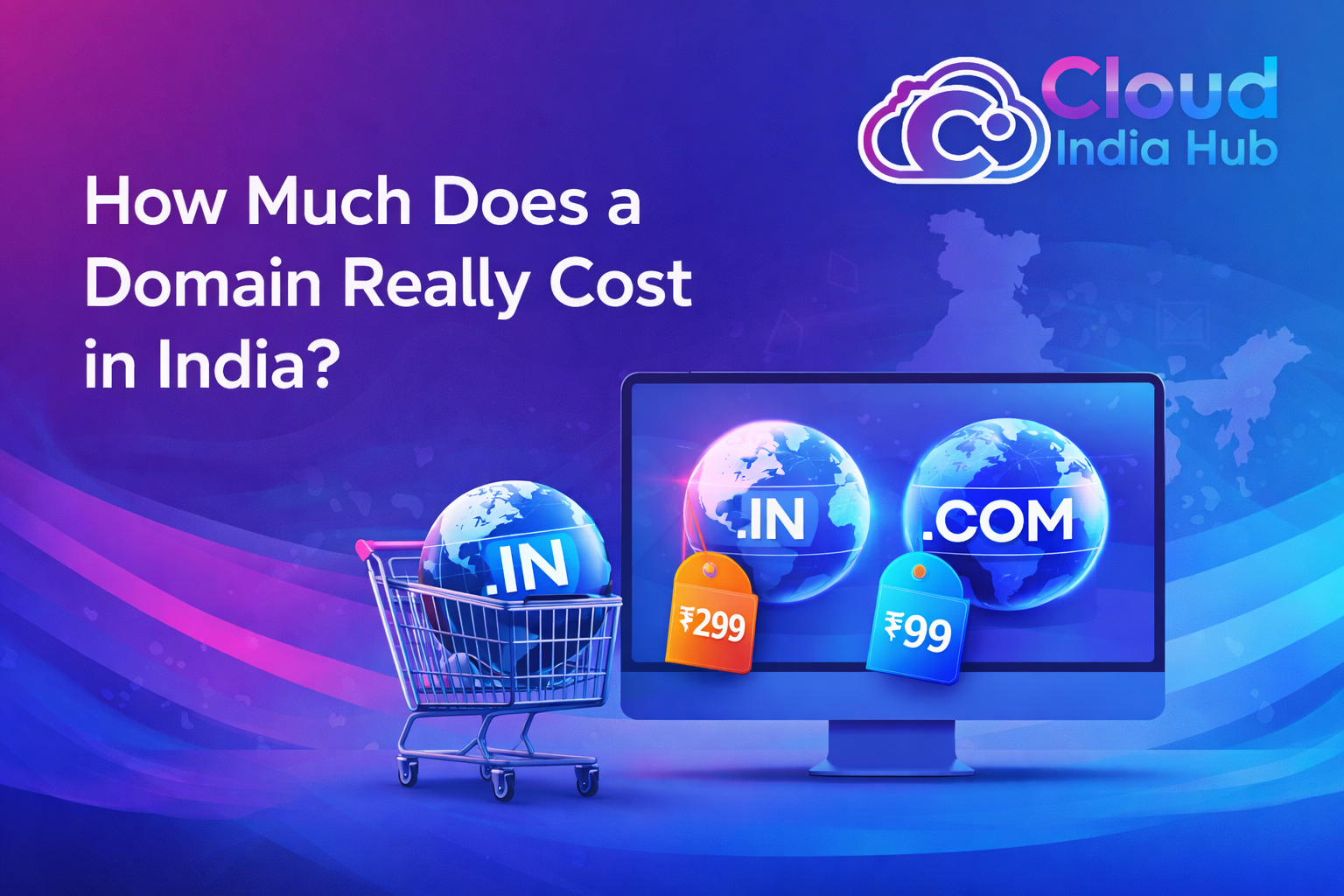
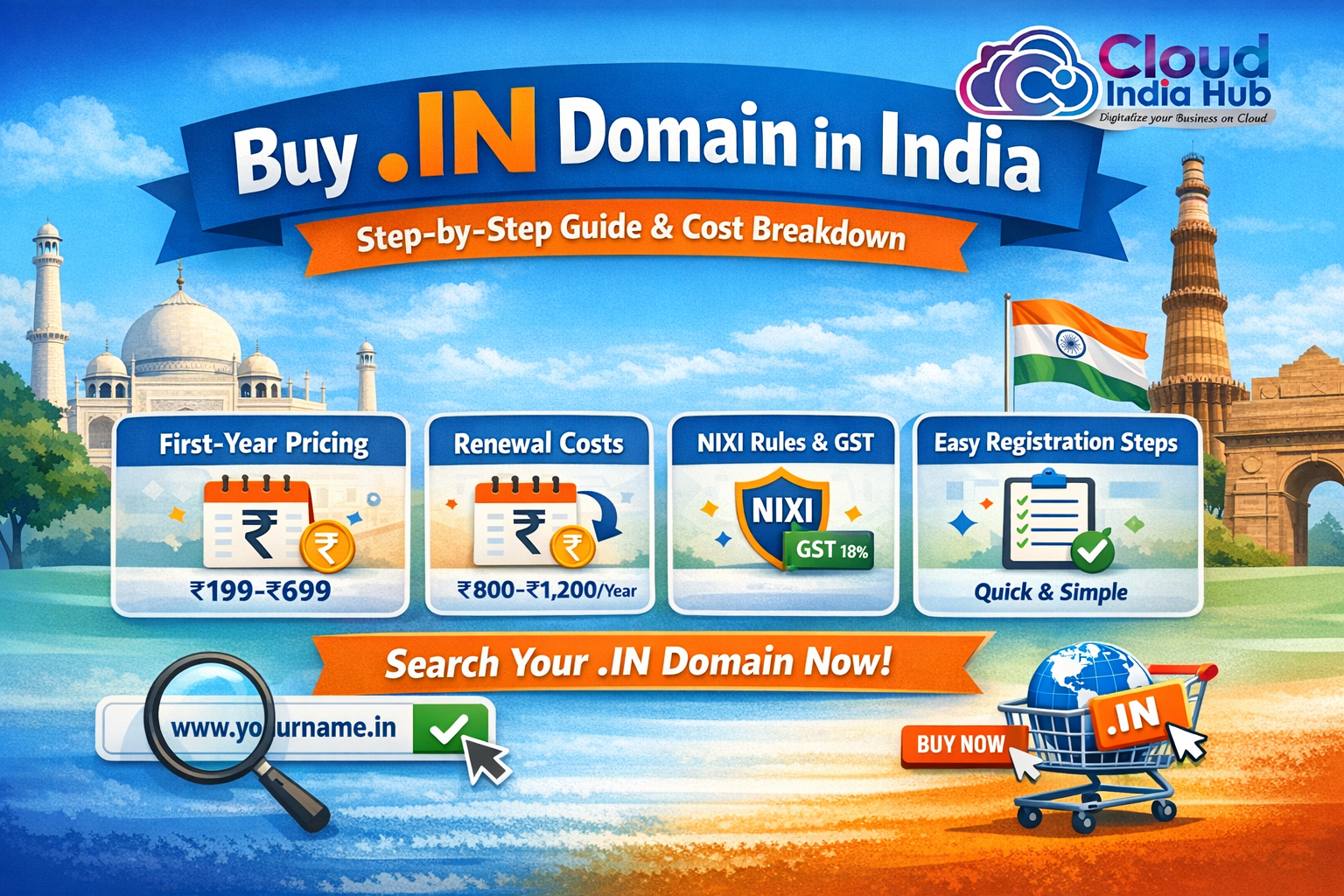
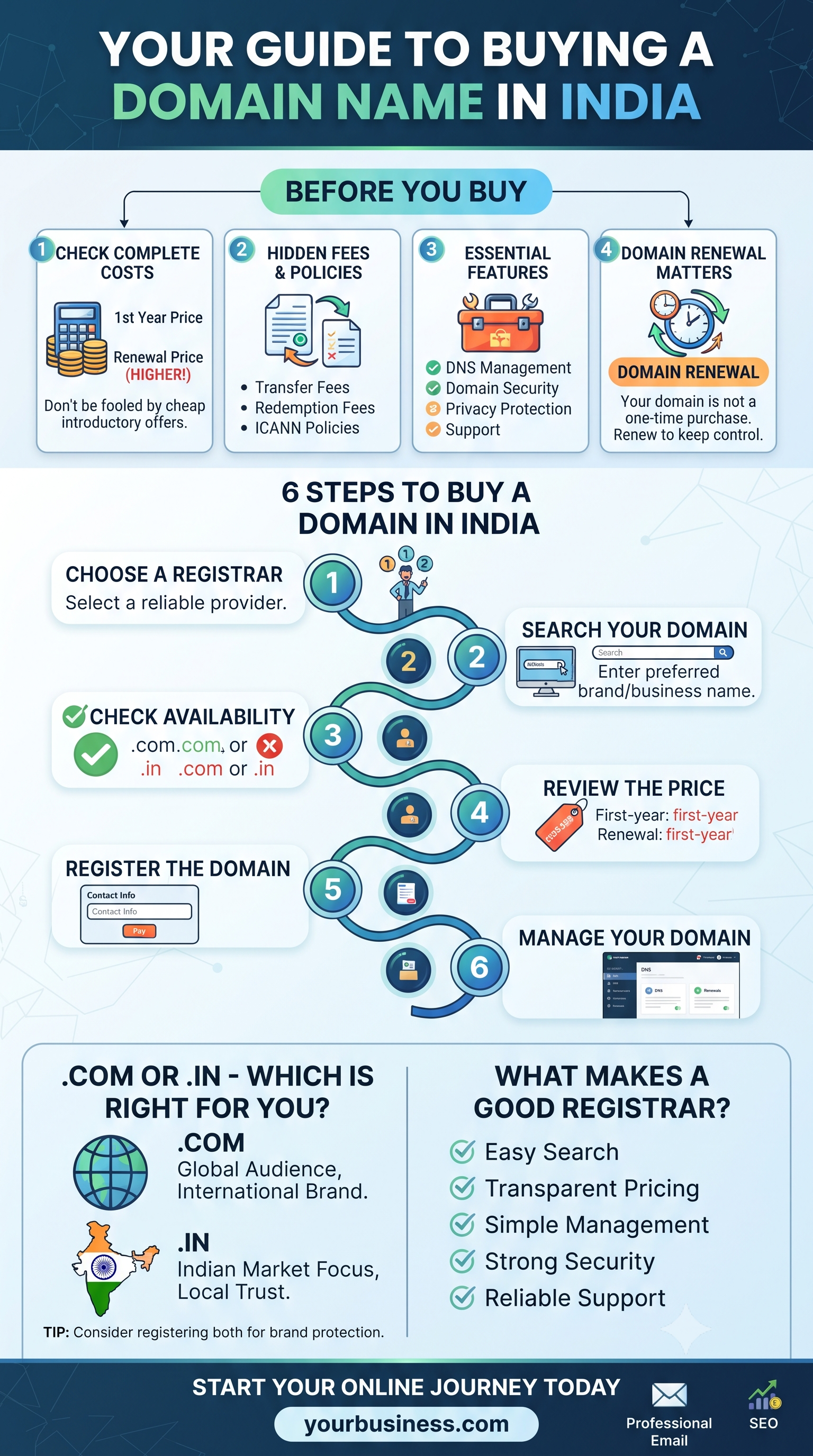
Domain pricing varies based on extension, registrar margins, and promotional periods. First-year rates for popular extensions like .in or .com frequently range from 99 to 600 INR during offers, while standard rates settle higher.
How Registry Fees Influence Final Pricing
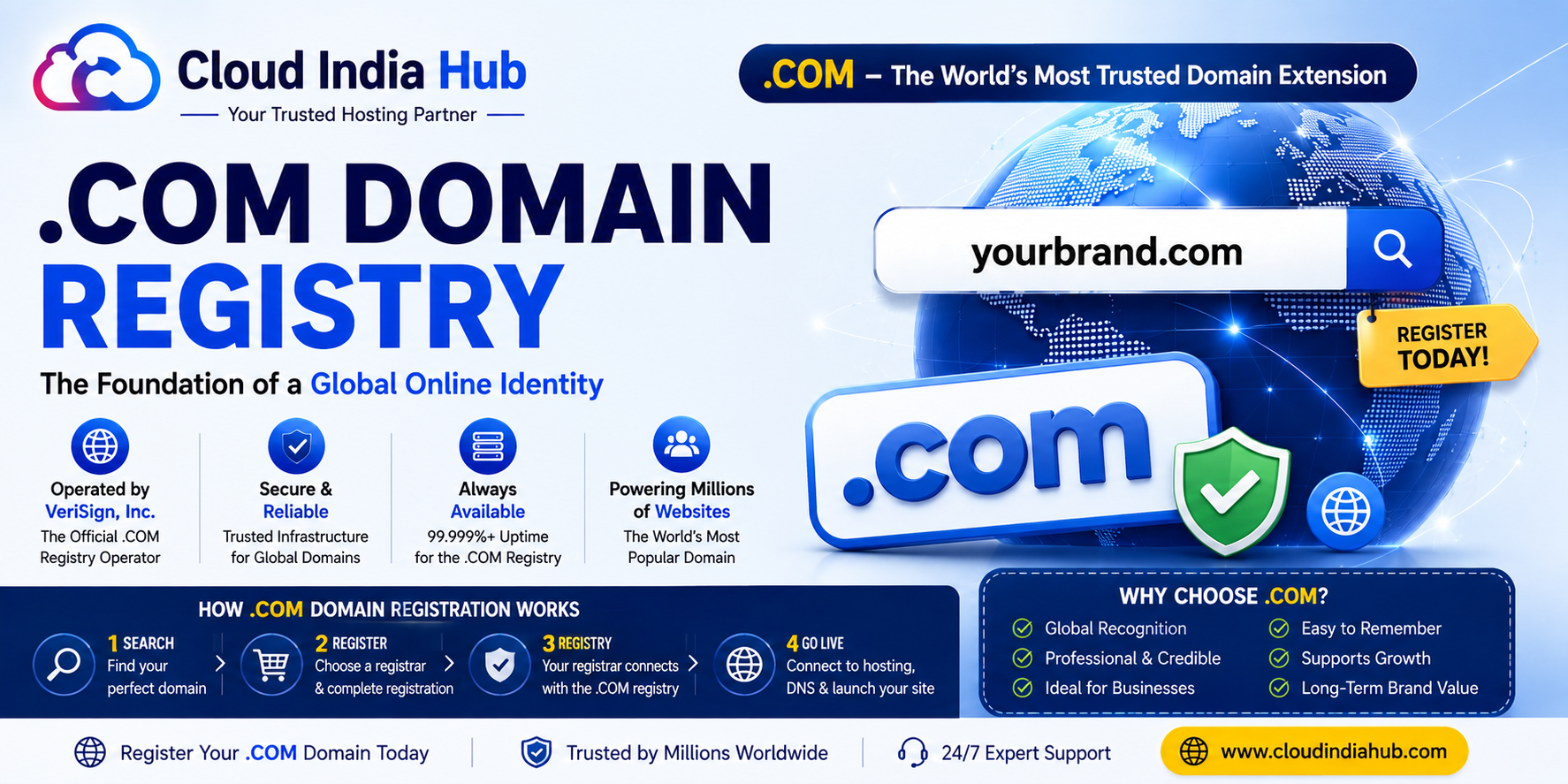
Registry operators set base fees NIXI for .in extensions and Verisign for .com, for example. These minimum costs form the foundation that registrars build upon. Changes in registry fees occasionally ripple through to end users, though competition among registrars often absorbs smaller increases.
2. The Impact of GST on Domain Purchases
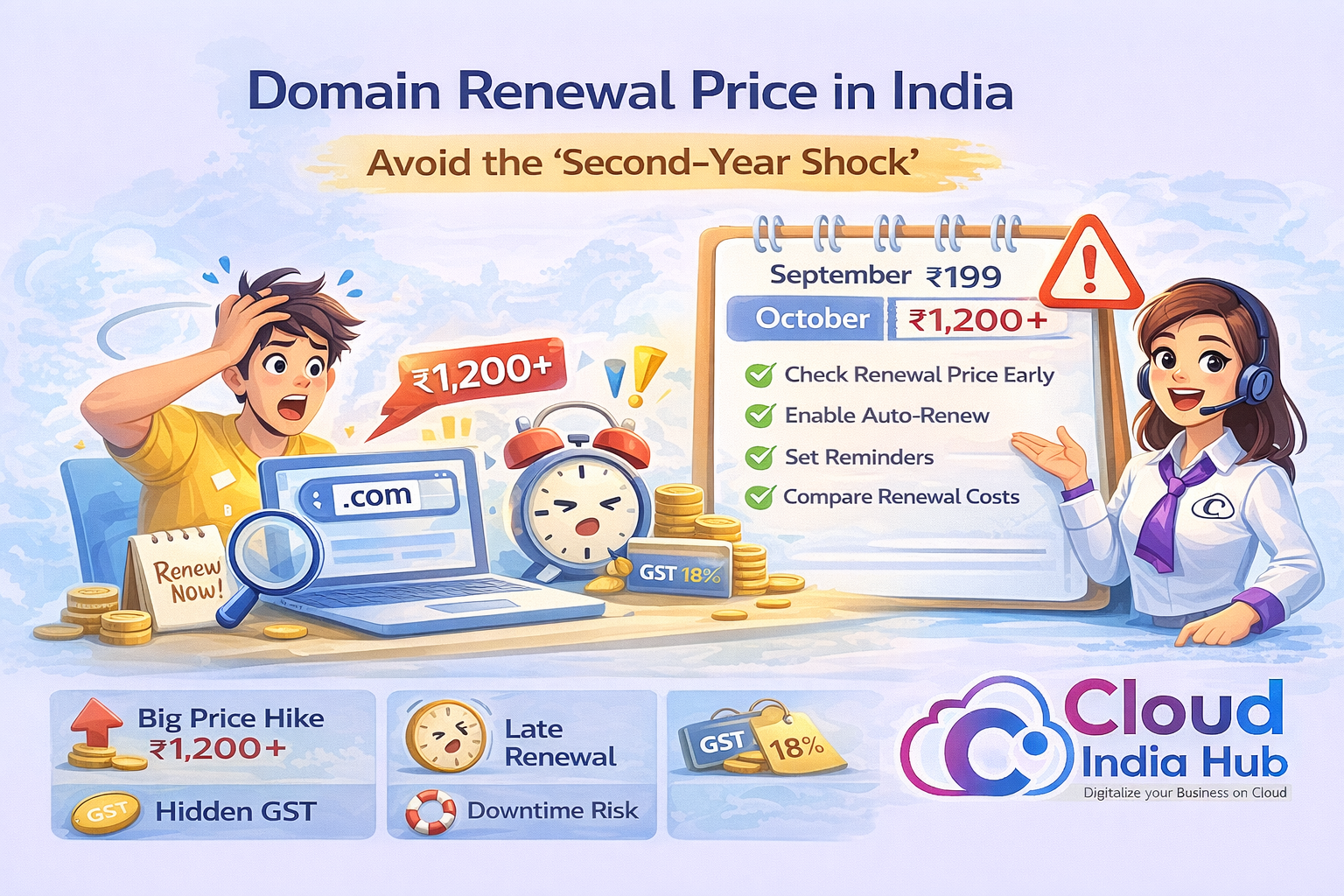
GST at 18% applies to all transactions within the country, increasing the final amount shown at checkout. Some registrars display prices inclusive of tax, while others show base rates separately. Understanding the total payable amount prevents surprises during payment.
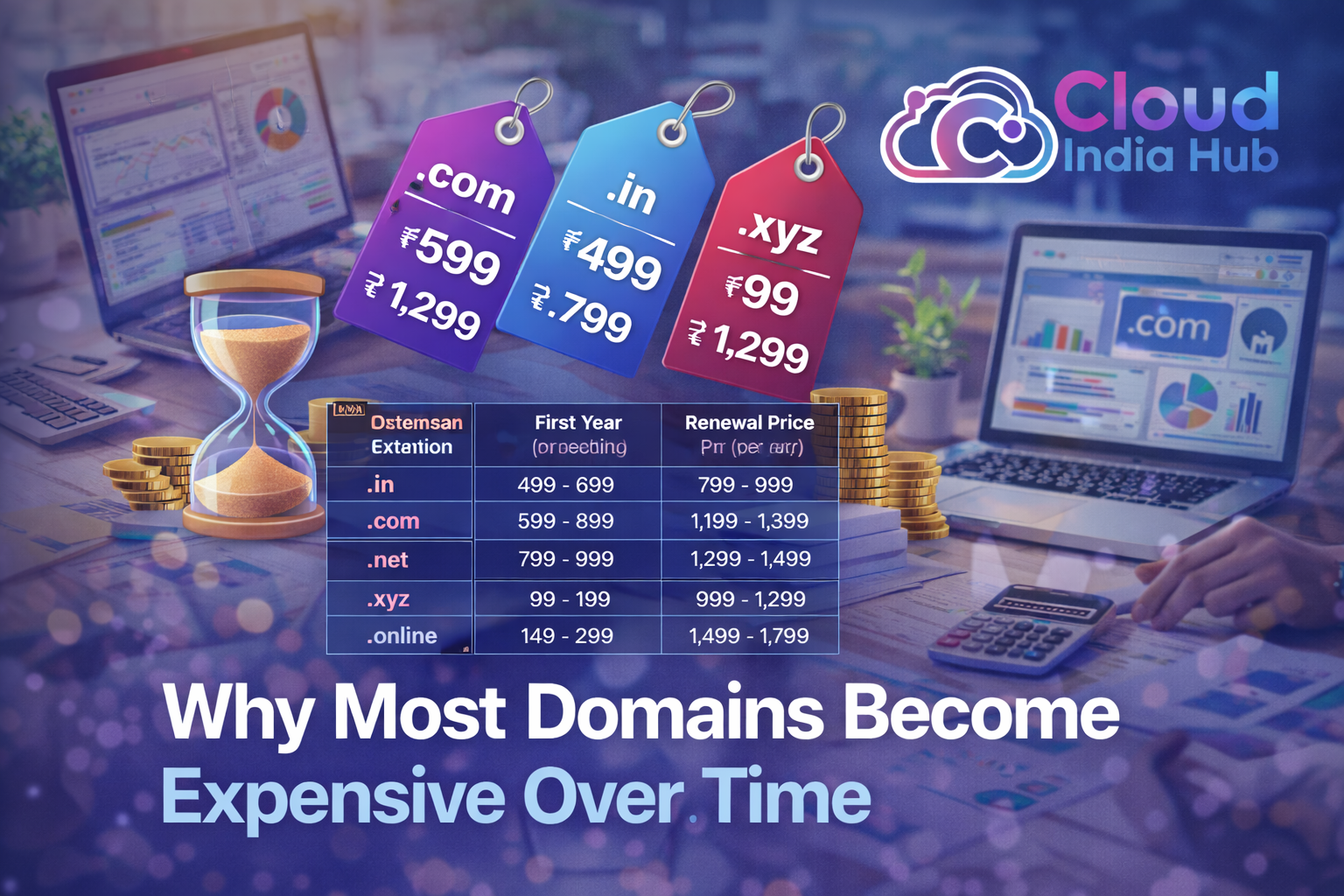
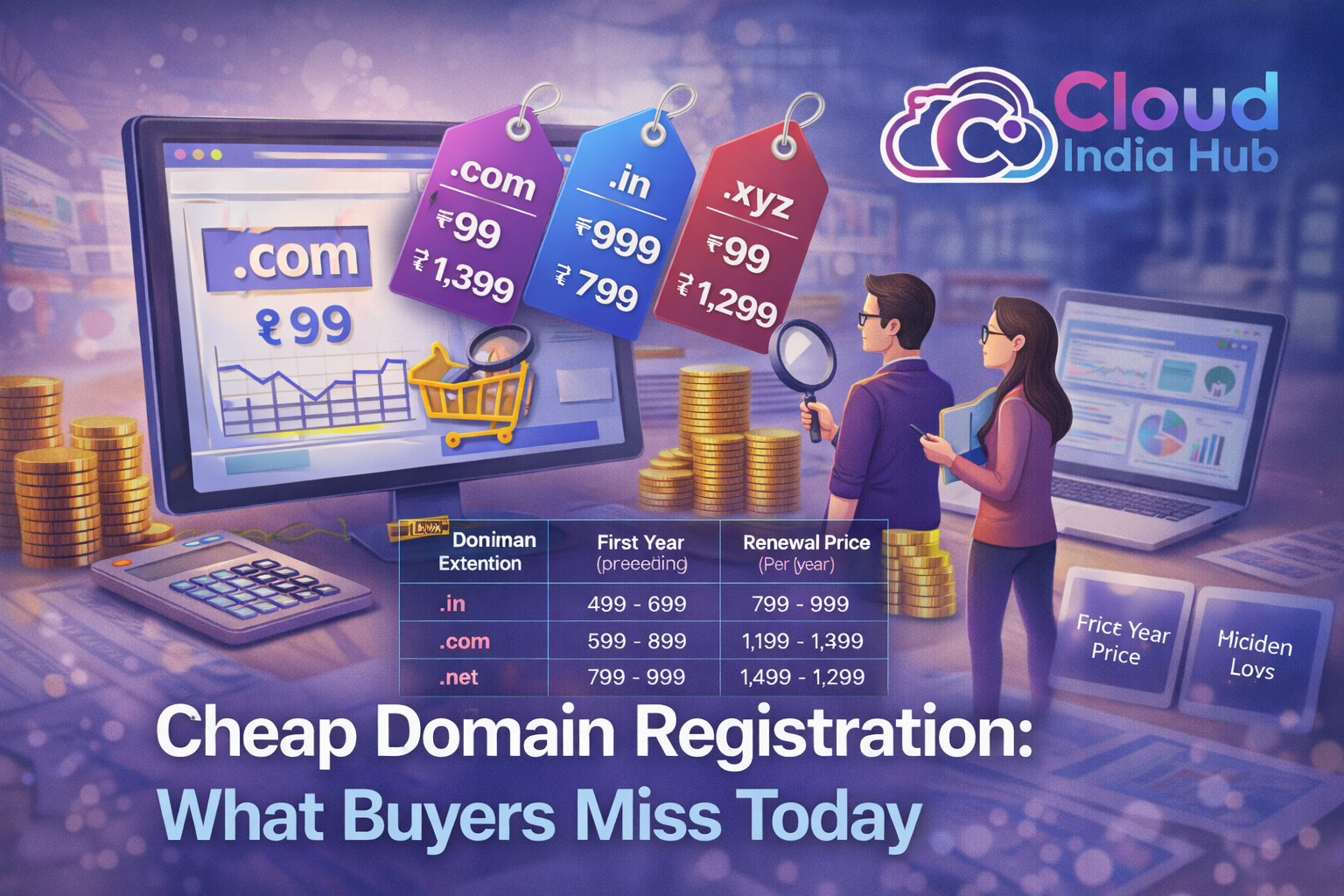
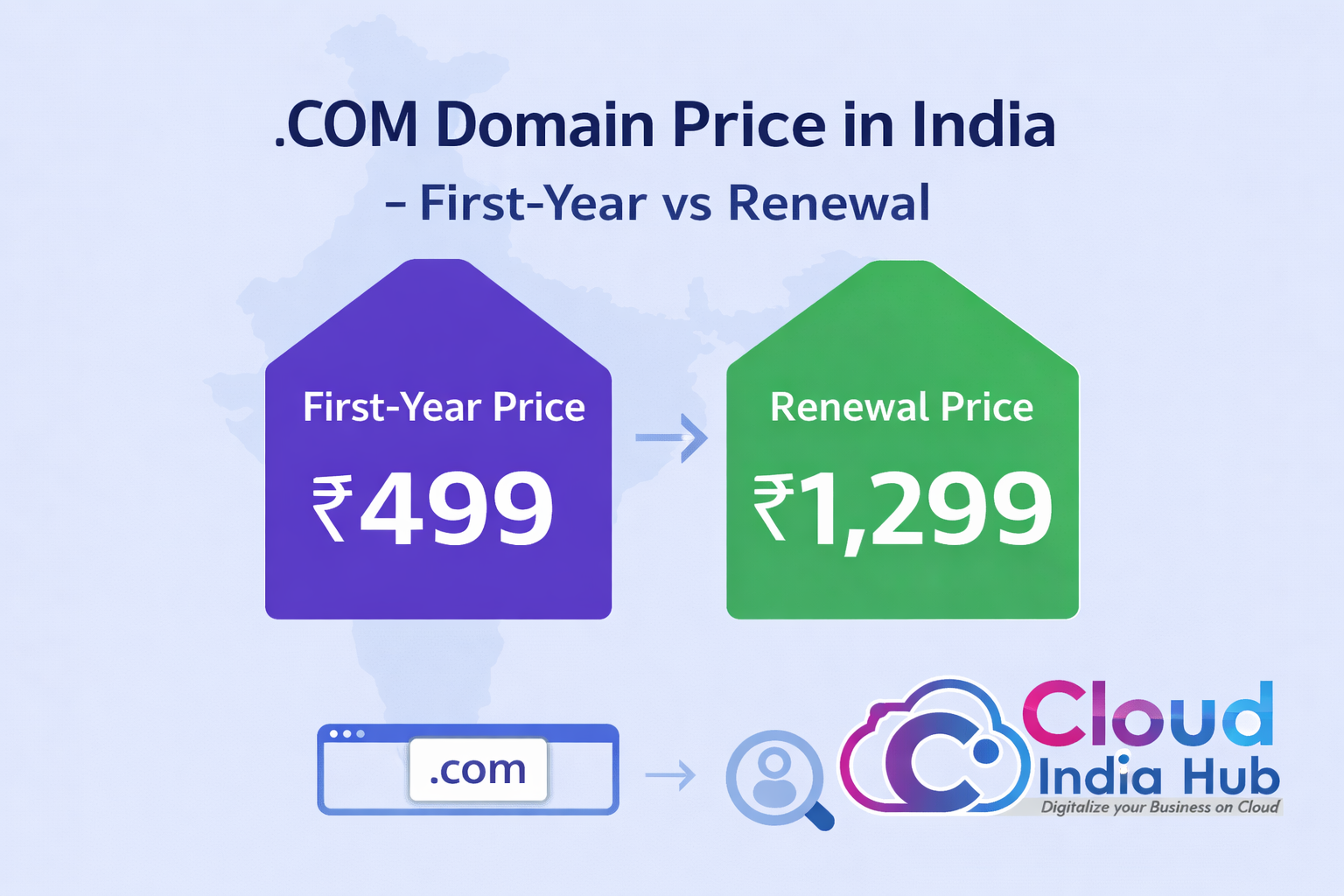
Current patterns show introductions commonly at 99–500 INR, with renewals stabilizing around 400–800 INR. .com first-year deals reach 300–600 INR, renewing closer to 900–1500 INR. Less common extensions carry different scales.
The table below summarizes typical ranges observed across multiple providers:
Multi-year purchases sometimes lock in lower rates for longer periods. Grace periods after expiry typically 30–40 days allow recovery without losing the name, though redemption fees may apply beyond that window.
Understanding these structures supports informed domain registrar comparison and better budget planning.
4. Key Factors to Consider When Selecting Cheap Domain Registrars
Several elements influence which cheap domain registrars provide the most value.
ICANN Accreditation and What It Means
ICANN accreditation confirms legitimate operations and adherence to global policies. Accredited registrars follow rules on transfers, renewals, and dispute resolution, offering greater protection.
DNS Performance and Propagation Speed
DNS reliability and fast propagation times ensure sites become reachable quickly after setup. Delays in propagation can keep new configurations from taking effect promptly.
User Interface and Ease of Management
Clean dashboards that display key information clearly reduce learning time. Avoiding excessive upsells during routine tasks improves the overall experience.
Customer support channels chat, email, phone and response quality matter when issues arise. Included tools like DNS editing, email forwarding, and subdomain management add practical utility without extra charges.
Security features such as domain locking and two-factor authentication protect against unauthorized changes. Transparent renewal notifications prevent accidental lapses.
Evaluating these alongside pricing helps identify options that balance cost and capability effectively.
5. Popular Domain Extensions and Their Uses
Different extensions serve varied purposes.
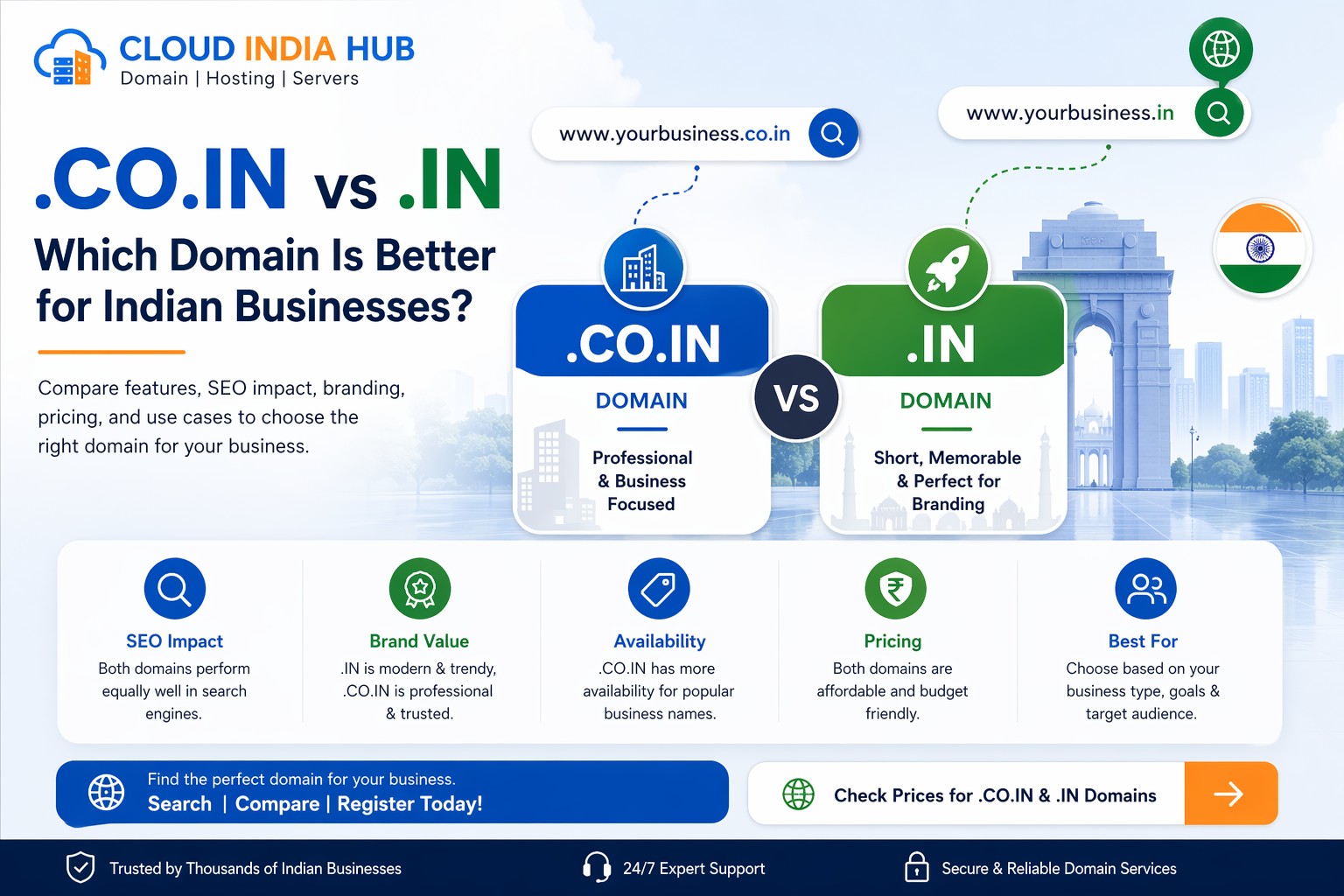
Advantages of Country-Code Extensions Like .in
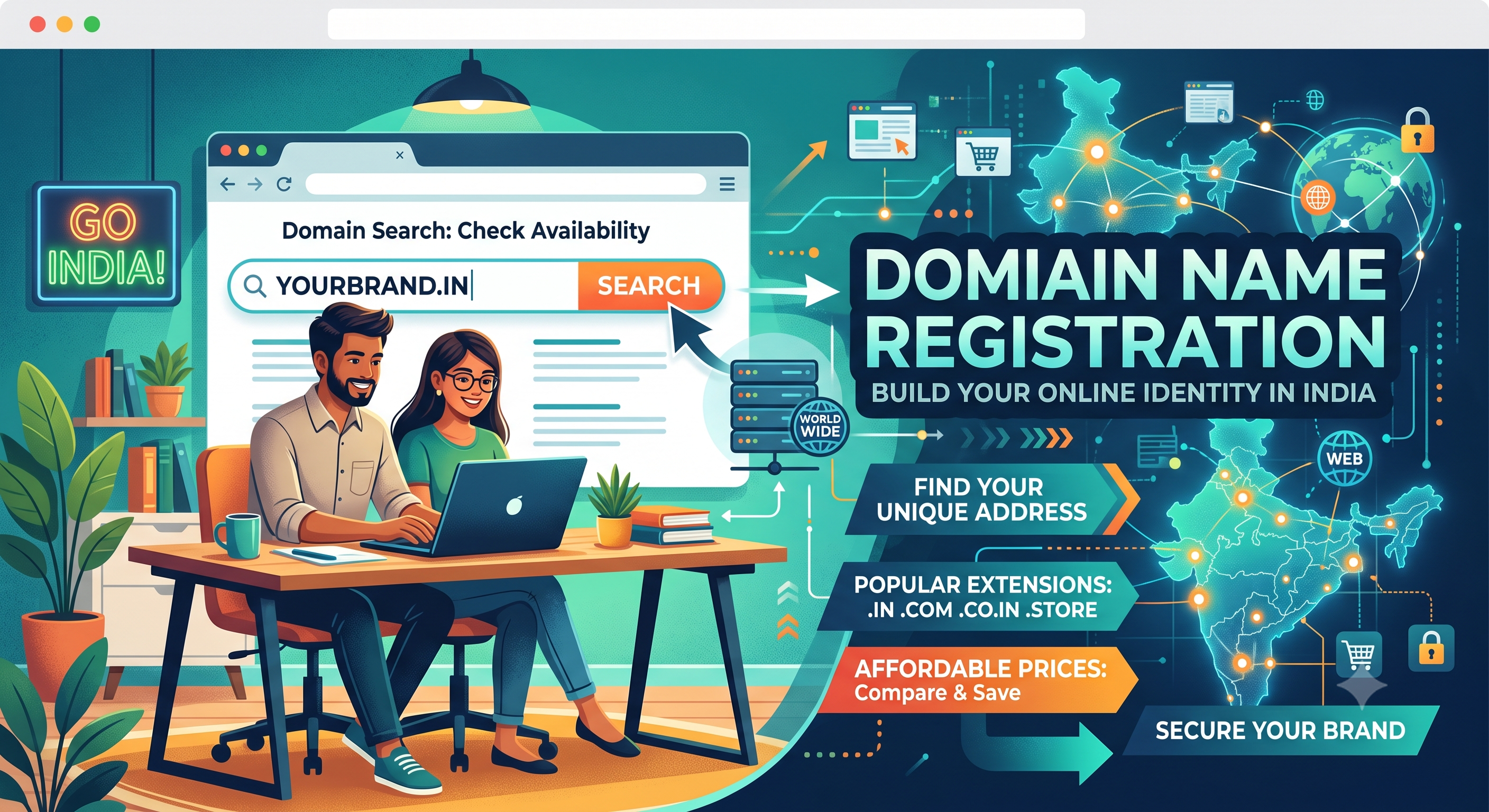
The .in extension signals clear geographic relevance, often building immediate trust with domestic audiences.
Global Extensions: .com, .net, and Beyond
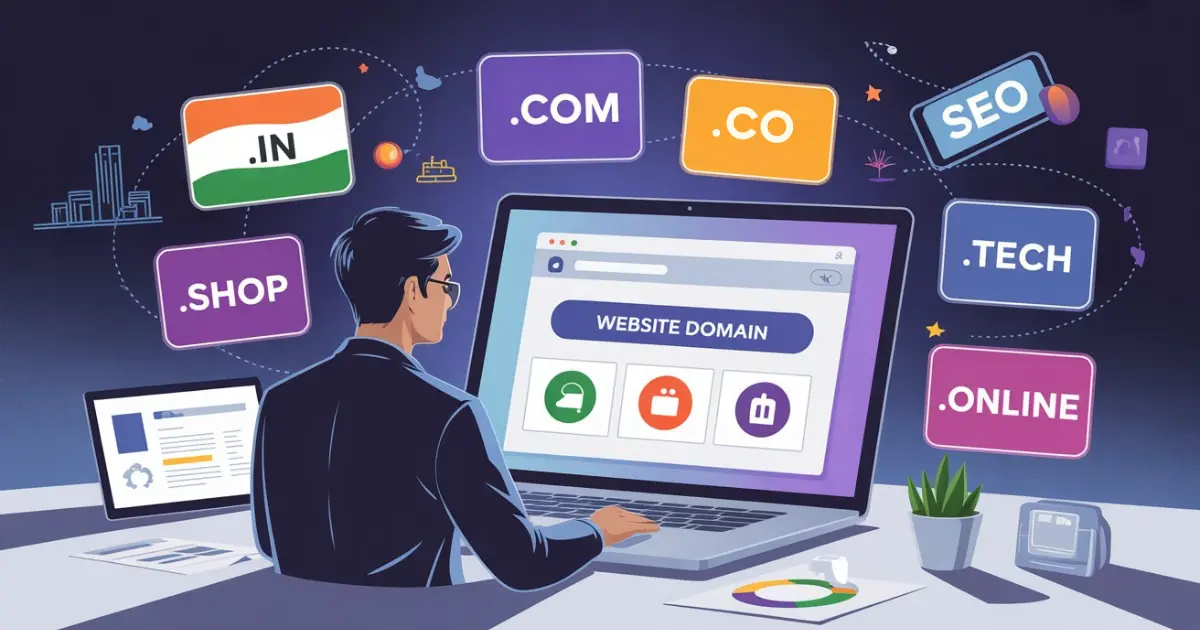
.com remains widely recognized globally, while .net historically associates with networks. Newer generic options such as .shop or .online suit specific industries.
Cheap .in domain rates make the local extension accessible for many projects. Shorter, memorable names without complexities generally perform better in recall and typing accuracy.
Newer extensions continue to appear, offering niche branding opportunities, though adoption rates vary. Established ones maintain broader recognition and trust.
Choosing an extension involves weighing audience expectations, intended scope, and availability constraints.
6. .in Domains: A Strong Choice for Brand Visibility
The .in extension, managed by NIXI, provides immediate association with the region.
How .in Helps with Local Search Rankings
Many searches favor locally relevant results, potentially improving visibility for targeted audiences. Introductory cheap .in domain pricing frequently drops below 500 INR, with renewals remaining competitive.
Variants of .in for Specific Needs
Variants like .co.in or .firm.in offer additional specificity when needed. Privacy protection inclusion at registration helps safeguard personal details.
Local SEO factors sometimes give preference to matching extensions, supporting better positioning in regional results.
For projects aiming at domestic markets, the extension aligns well with affordable domain registration goals while reinforcing brand identity.
7. The Role of WHOIS Privacy in Domain Registration
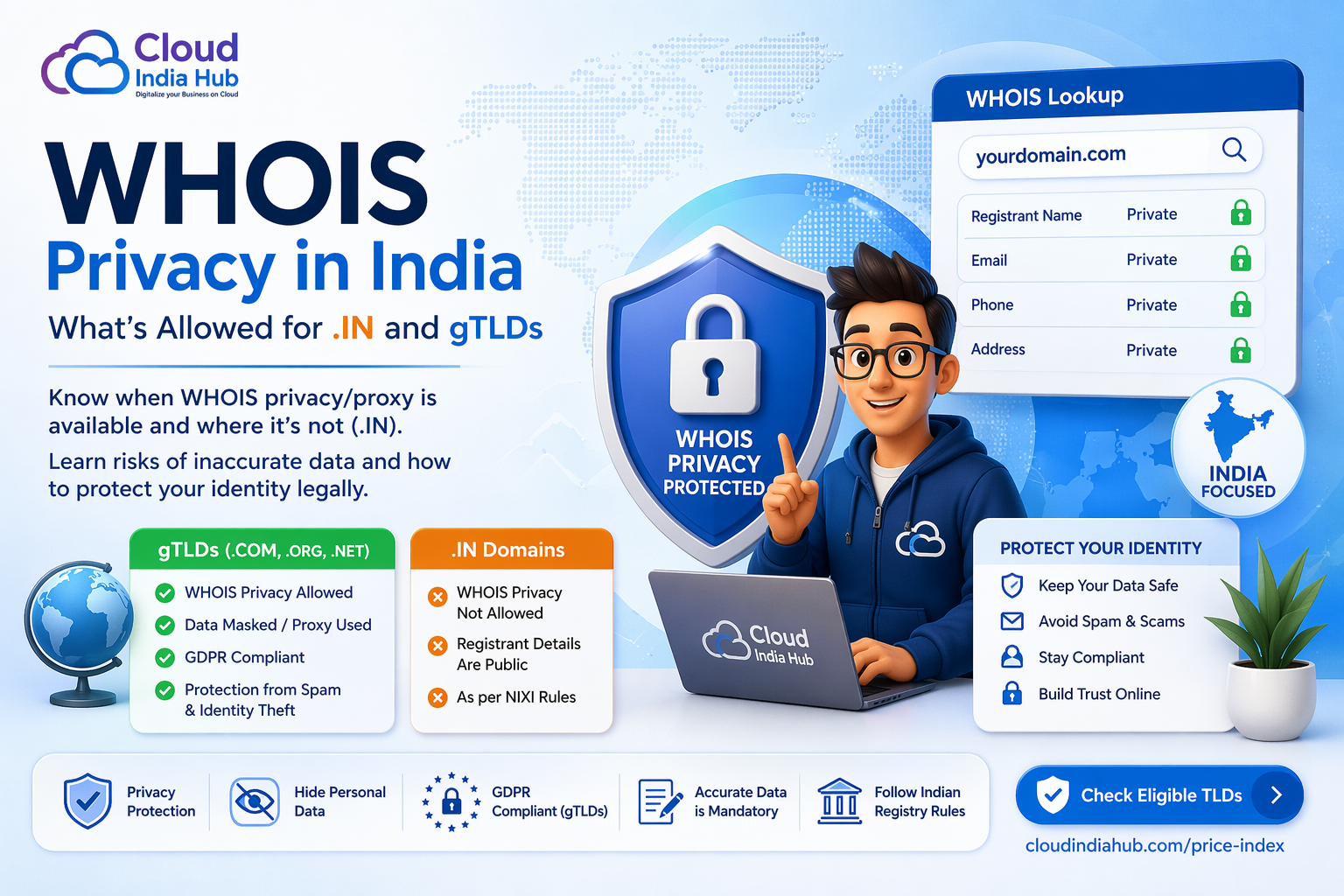
WHOIS databases publicly list registrant details unless privacy features hide them.
What Information WHOIS Privacy Hides
Enabling privacy replaces personal information with generic or proxy data, reducing spam and unwanted contact.
When Privacy Protection Is Most Important
Many cheap domain registrar with privacy options include the service standard, while others charge modest fees—typically 200–500 INR annually. Activation usually occurs during initial signup.
The feature proves particularly useful for individual registrants or small operations preferring to limit public exposure of contact information.
8. Comparing First-Year vs Renewal Prices
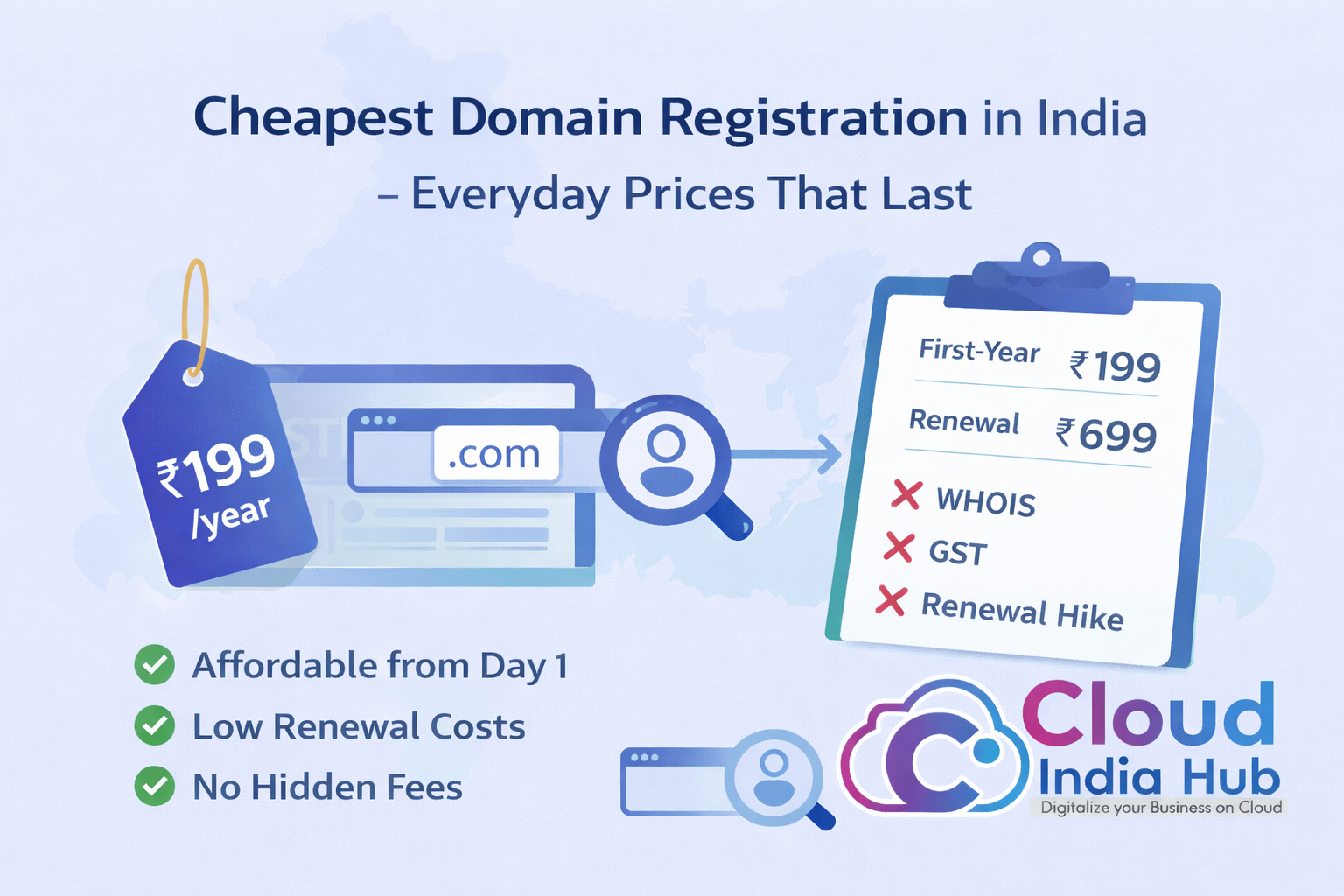
Promotional first-year rates attract attention, but cheap domain renewal consistency determines long-term affordability.
Calculating Total Cost Over Multiple Years
Some providers maintain similar pricing across years, while others increase substantially after the introductory period. Comparing total cost over three to five years clarifies actual expense.
Strategies to Lock in Lower Renewal Rates
Domain registrar comparison tables that display both figures side-by-side clarify total cost over multiple years. Multi-year commitments often secure current rates longer. Auto-renewal settings with clear notifications help manage upcoming charges.
Grace and redemption periods provide buffers if payments lapse temporarily.
9. Domain Transfer Processes and Considerations
Moving a domain to another registrar involves specific steps.
Step-by-Step Transfer Guide
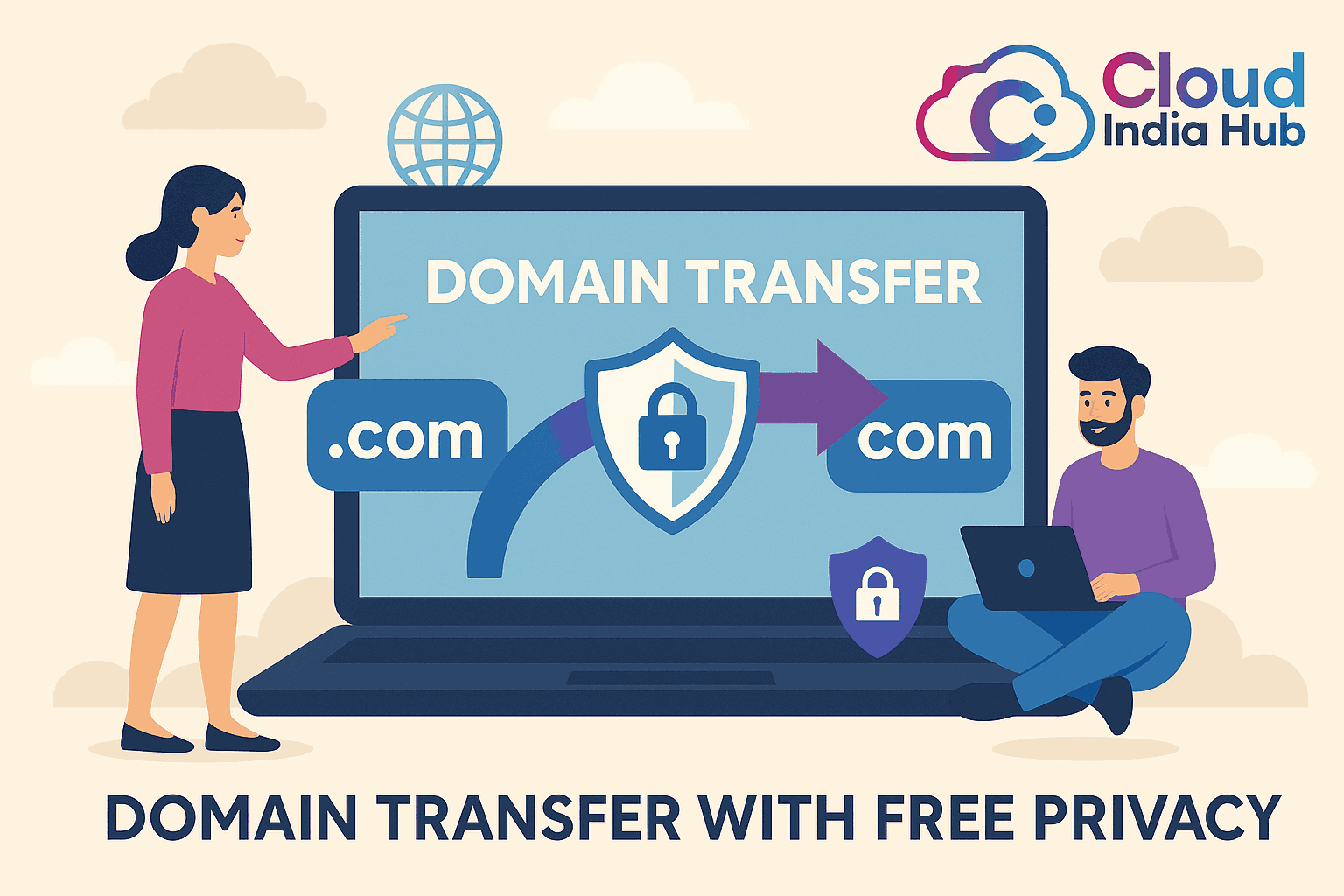
Transfers require unlocking the domain, obtaining an authorization code (EPP), and initiating the request. Processing typically completes within 5–7 days.
Common Issues During Transfers and How to Avoid Them
ICANN policies impose a 60-day lock after initial registration or previous transfers. Many registrars facilitate transfers without fees and extend validity by one year upon completion.
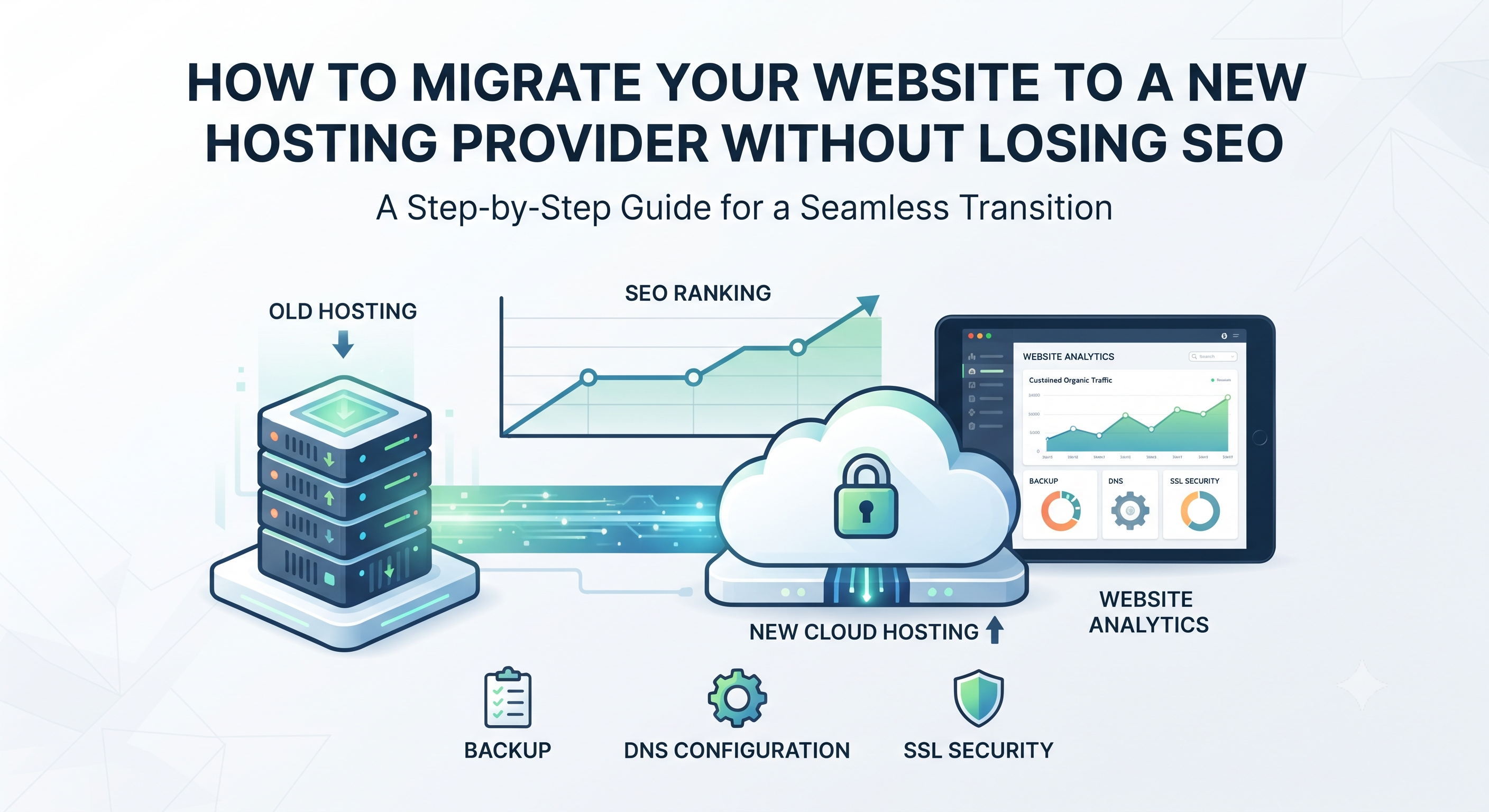
The process preserves existing DNS settings and SEO history. Users often transfer to consolidate management or access better renewal rates.
10. Payment Options and Customer Support Features
Convenient payment and support options enhance usability.
Popular Local Payment Methods
Local methods like UPI, net banking, cards, and wallets streamline purchases. GST invoices support compliance needs for formal entities.
Evaluating Support Quality
Support availability in multiple languages via chat or phone assists users comfortably. Response times and knowledge base quality influence overall experience.
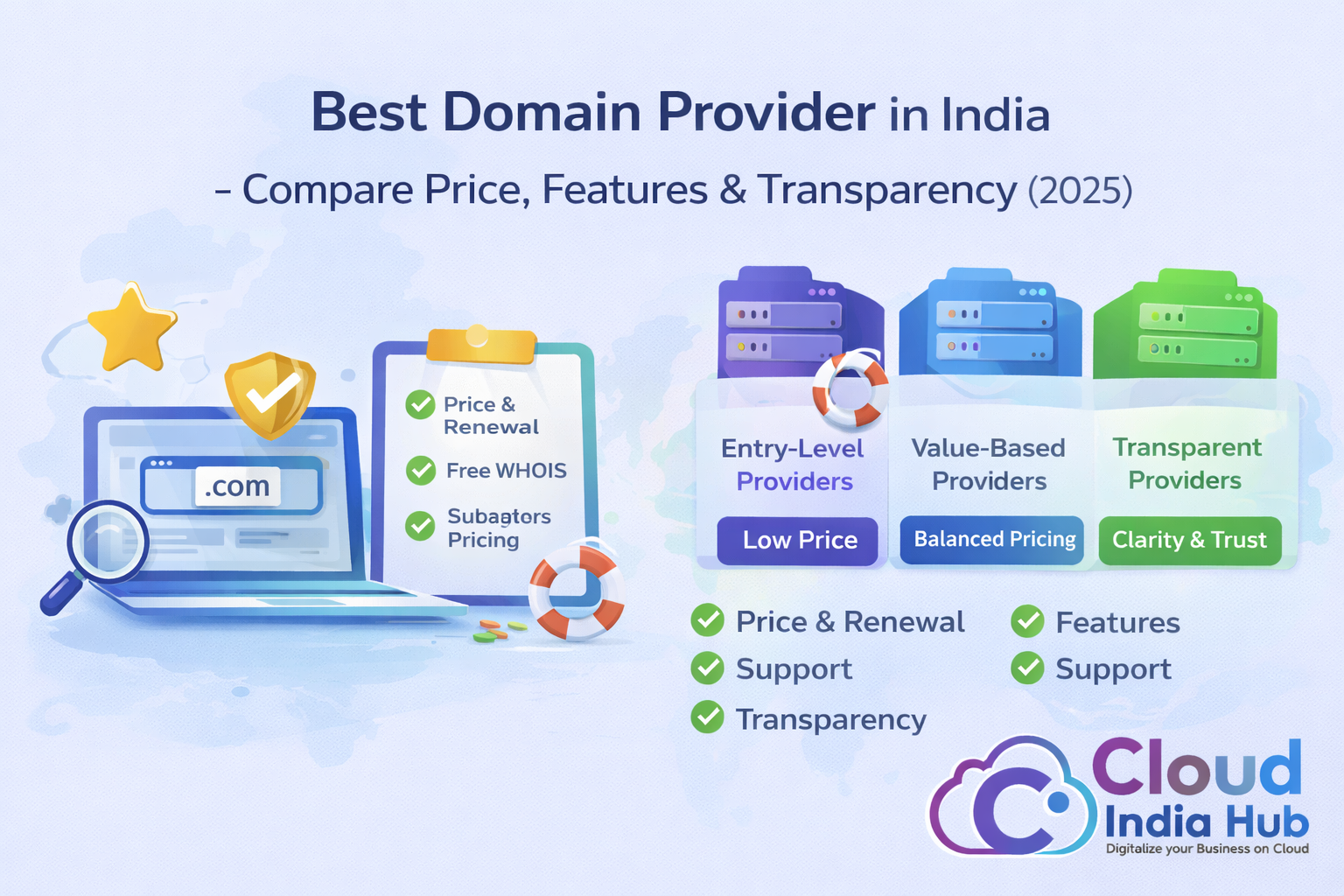
These conveniences contribute to evaluations of best domain registrars 2025.
11. Bundling Domains with Hosting for Added Value
Combined packages offer convenience.
Pros and Cons of Bundled Packages
Packages frequently include the domain free or heavily discounted for the first year when purchased with hosting plans. Shared hosting starting around 2000–3000 INR annually often covers basic needs alongside the domain.
What to Check in Bundle Renewal Terms
Single dashboards for managing both services simplify administration. SSL certificates and email accounts sometimes accompany bundles.
Renewal pricing for combined plans should align reasonably with separate purchases to maintain value.
12. Essential Domain Management Tools
Effective tools simplify ongoing administration.
DNS Management Basics
Control panels display expiry dates, allow DNS record edits, and support subdomain creation. URL forwarding and email forwarding provide flexibility before full sites launch.
Security Features Every Registrar Should Offer
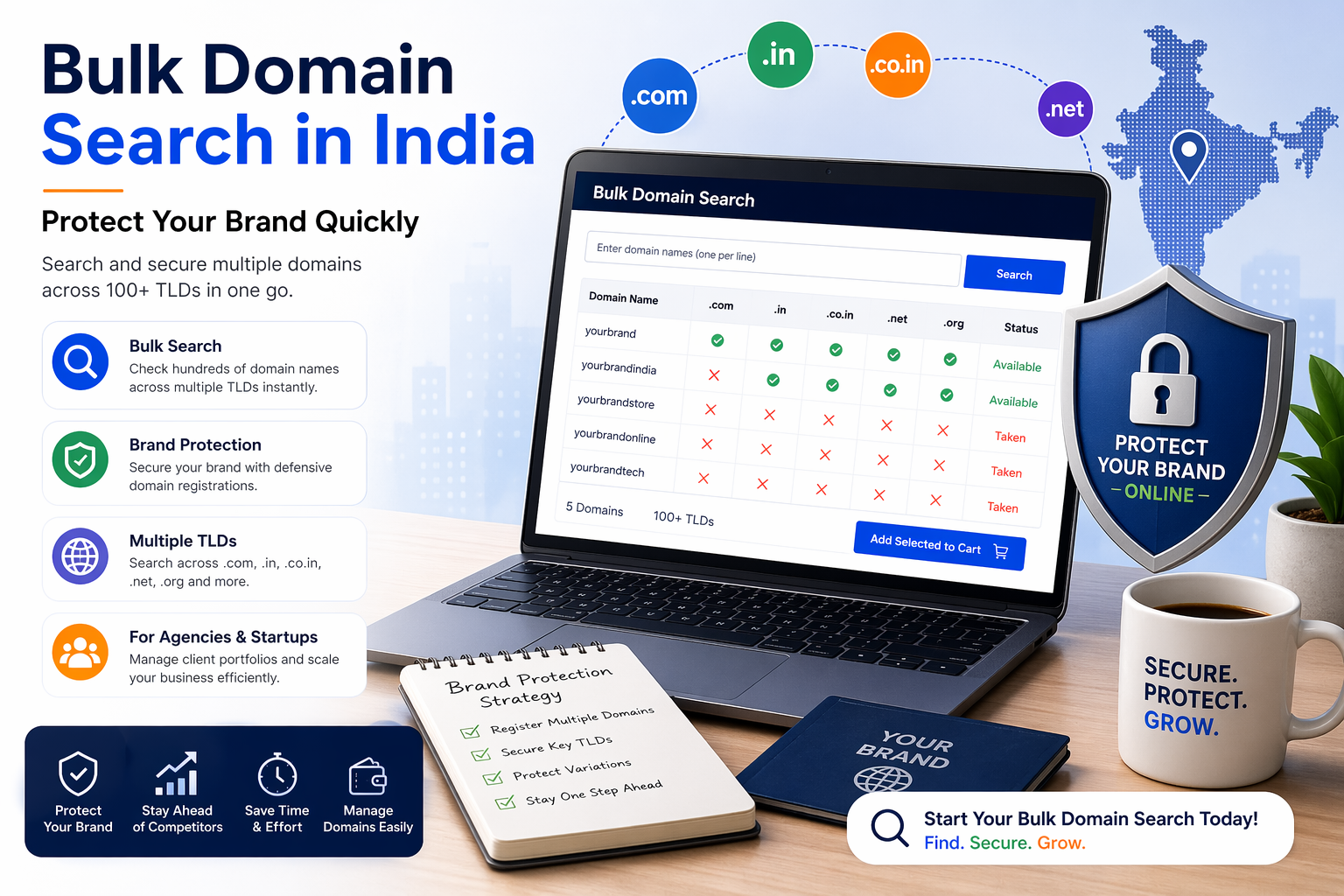
Domain locking prevents unauthorized transfers. Bulk management tools help with multiple domains. Some interfaces offer API access for automation.
These capabilities make daily administration practical within budget domain registrar choices.
13. Common Pitfalls in Affordable Domain Registration
Certain patterns recur among less careful choices.
Hidden Fees and Upsell Tactics
Low introductory pricing can mask significantly higher renewals. Upsell prompts during checkout sometimes add unwanted extras.
Risks of Non-Accredited Registrars
Non-accredited providers carry risks of poor service or complications. Missing renewal notices leads to expiry and potential loss.
Enabling auto-renewal with monitoring, reviewing terms carefully, and documenting purchases help avoid issues.
14. How to Choose the Right Registrar for Long-Term Needs
Long-term planning requires thorough evaluation.
Creating a Comparison Checklist
Favor registrars with consistent renewal rates, strong support history, and comprehensive tools. Reading recent user feedback provides insight into real experiences.
Reading Between the Lines of User Reviews
Testing interfaces through free subdomains or trial features reveals usability. Prioritizing accreditation, privacy options, and local payment support builds a reliable foundation.
15. Future Trends in Domain Registration
The landscape continues evolving.
Rising Importance of Privacy and Security
Increasing adoption of privacy regulations may standardize protection inclusions. Security enhancements like DNSSEC adoption may become more widespread.
New Extensions and Niche Opportunities
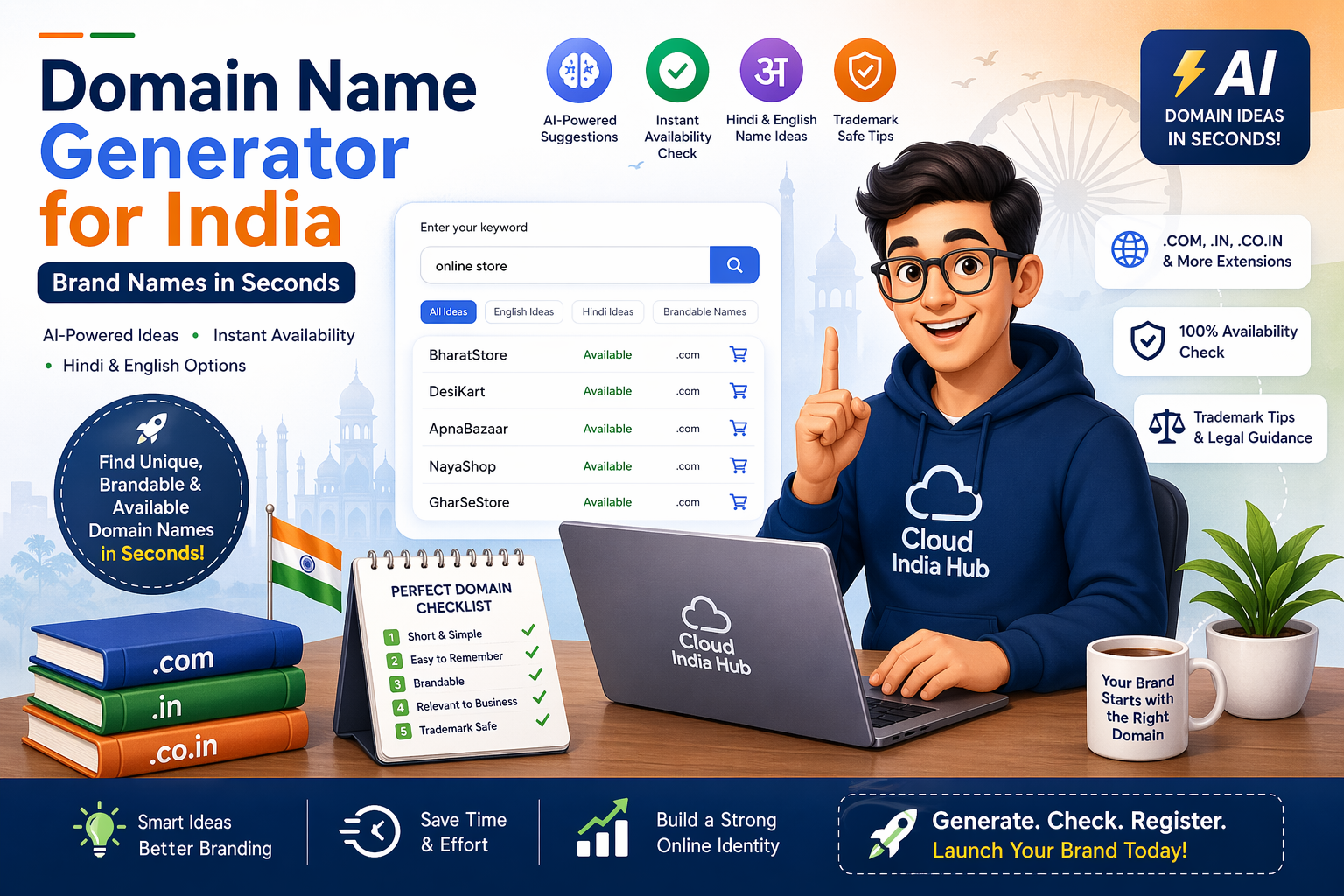
New extensions continue emerging for niche branding. Automation tools and AI-assisted name suggestions could simplify selection.
Pricing competition keeps introductory rates low, while registry fee changes influence baselines.
Staying informed about these developments supports ongoing decision-making.
Conclusion
Cheap domain registration remains accessible through careful evaluation of features, pricing transparency, and long-term costs. Prioritizing reliability alongside affordability establishes a solid online foundation. Explore current availability, compare options thoroughly, and proceed with confidence when the right match appears.
FAQs
What defines reliable cheap domain registrars?
Accreditation, transparent renewals, positive feedback, and useful features indicate dependability.
Typical costs for .in domains currently?
Introductions are often 99–500 INR, renewals 400–800 INR across providers.
Privacy inclusion with affordable options?
Frequently standard on select registrars, otherwise modest annual fees.
UPI support for domain purchases?
Common among many providers, enabling instant local transactions.
Benefits of .in extensions?
Clear relevance, competitive pricing, potential local search advantages.
Avoiding renewal cost increases?
Review both initial and renewal rates, consider multi-year terms, set calendar reminders.














































































































Leave A Comment