
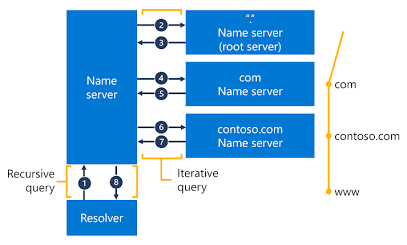
A Record, CNAME, MX, TXT: Complete DNS Records Guide for Beginners
A Record, CNAME, MX, TXT: Complete DNS Records Guide for BeginnersIntroductionManaging a website requires more than purchasing a domain name and hosting plan. Understanding how your domain connects to your website, email service, and other online tools is equally important. This is where DNS records play a crucial role...
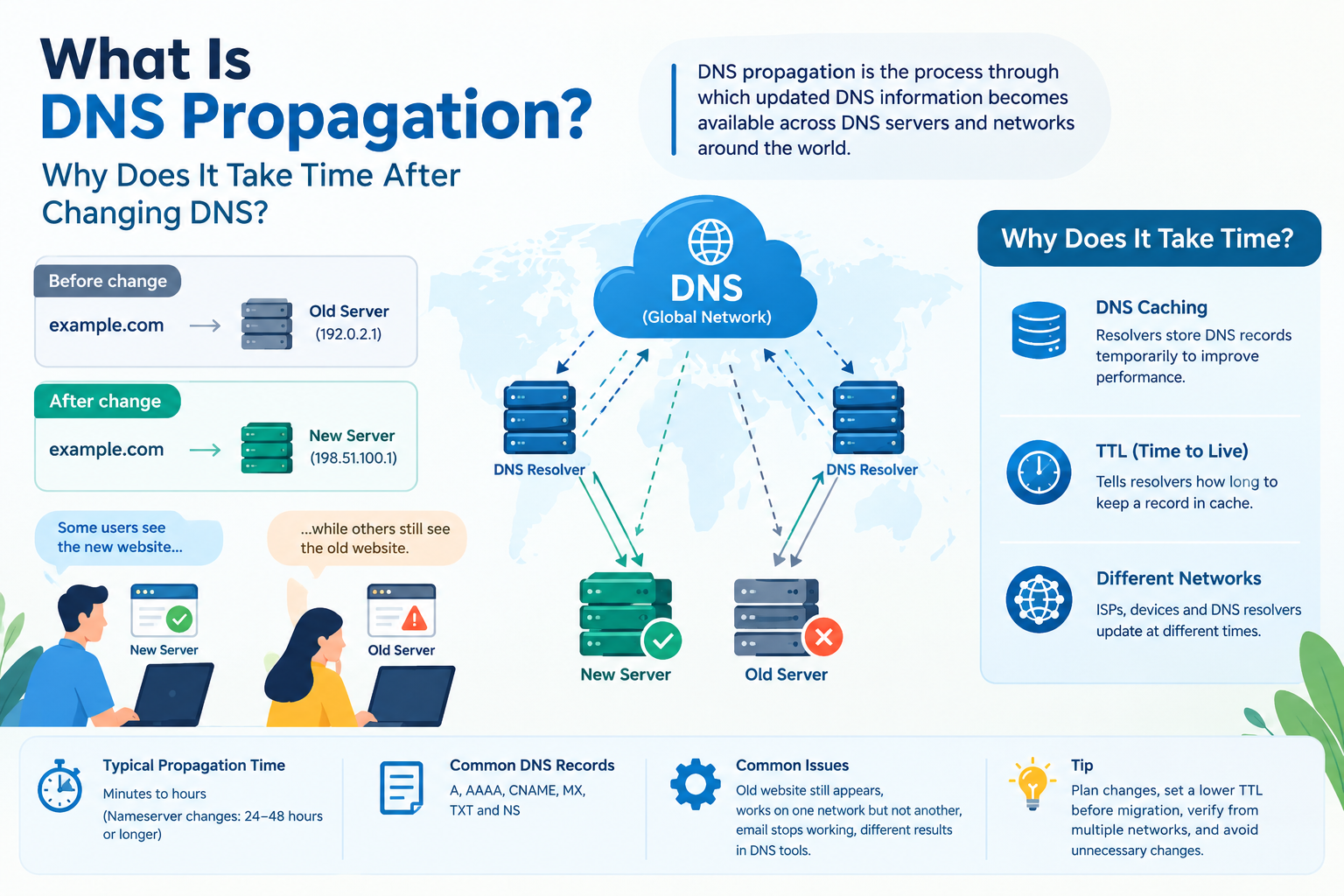
What Is DNS Propagation? Why Does It Take Time?
What Is DNS Propagation? Why Does It Take Time After Changing DNS? Short answer: DNS propagation is the process through which updated DNS information becomes available across DNS servers and networks. When you change a DNS record, different users may temporarily see different results because DNS resolvers cache previou...
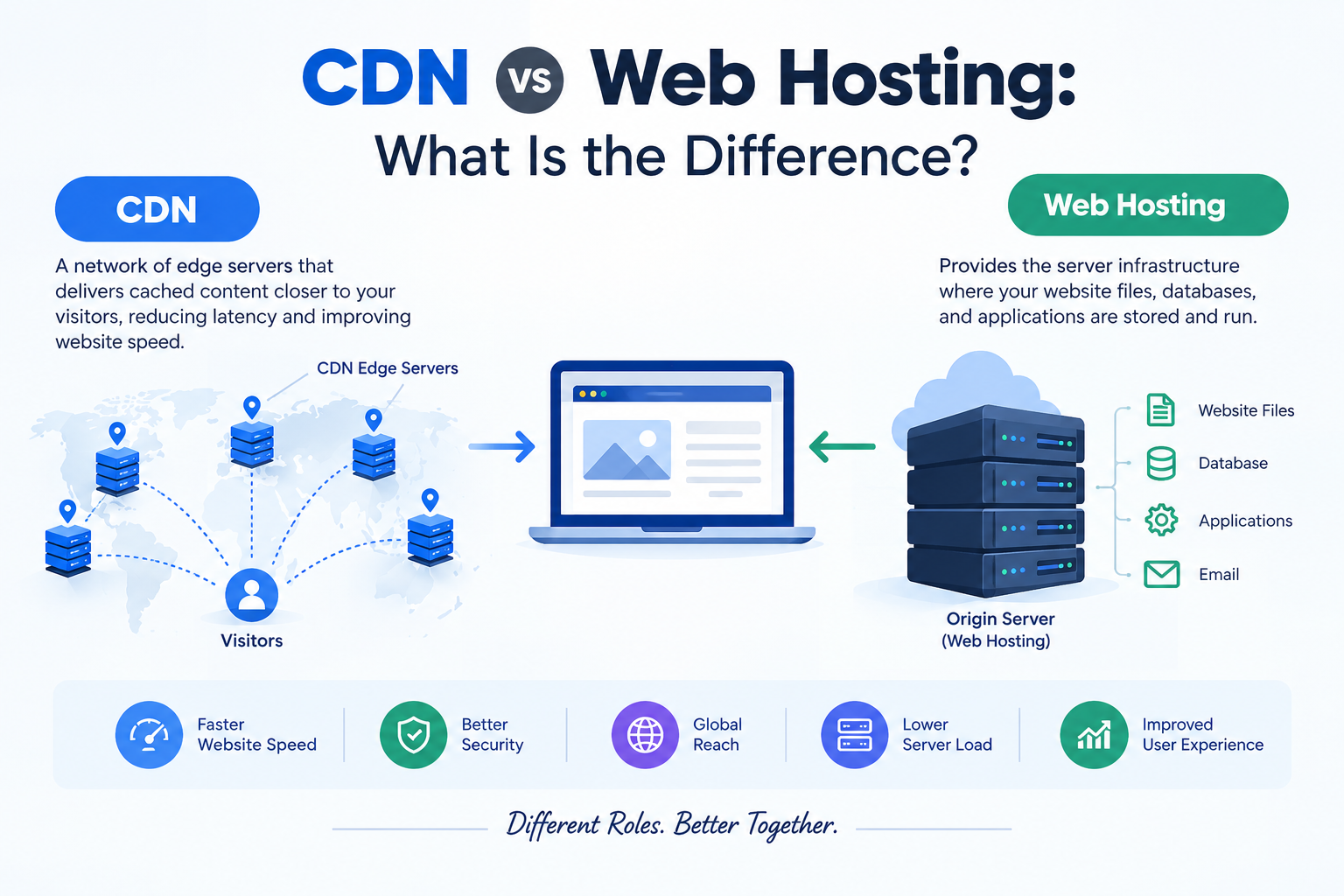
CDN vs Web Hosting: What Is the Difference?
When building a website, two terms you will often come across are web hosting and CDN (Content Delivery Network). Both play an important role in website performance, but they serve completely different purposes.Web hosting provides the infrastructure where your website files, databases, applications, and other resource...
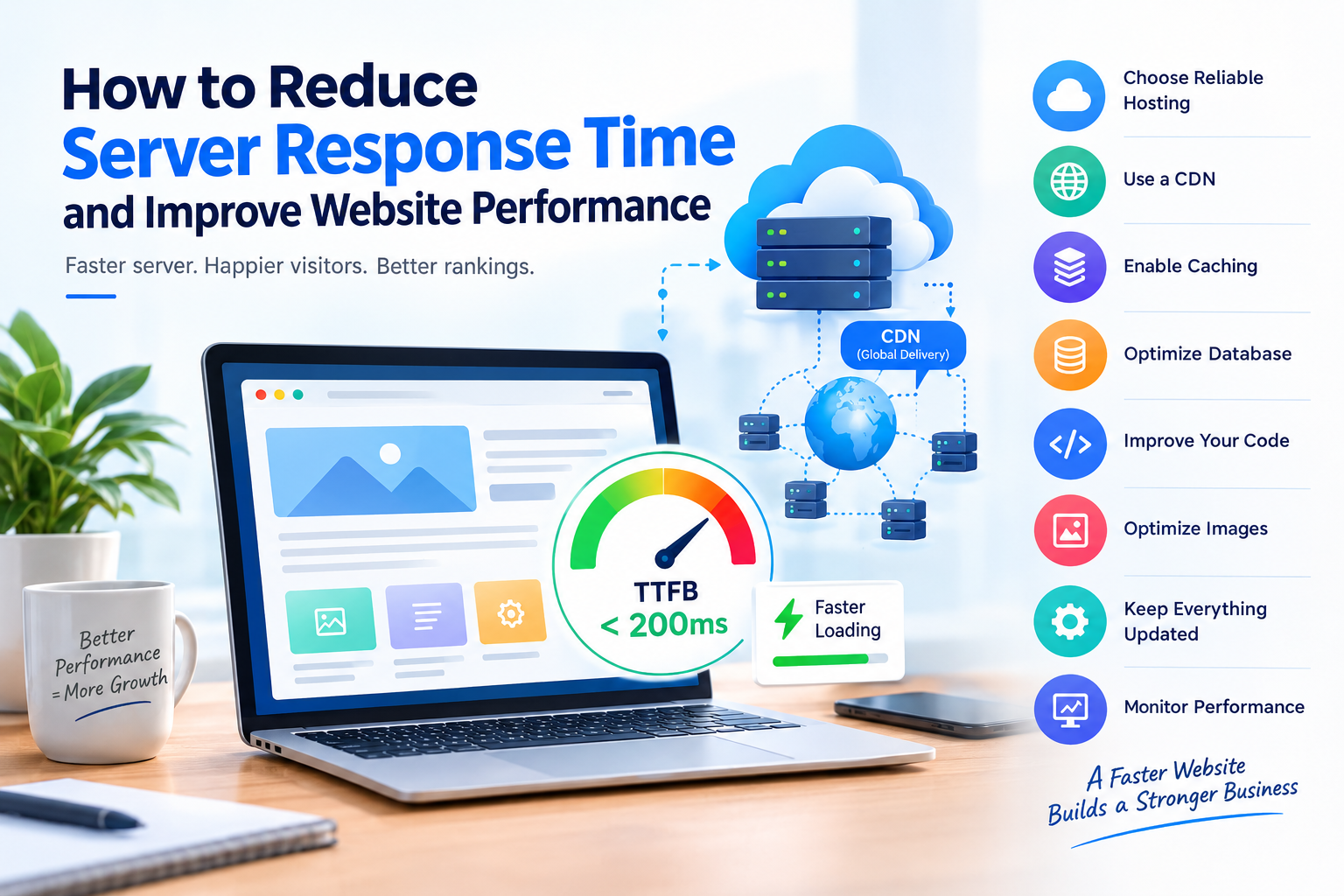
How to Reduce Server Response Time and Improve Website Performance
Website speed plays an important role in user experience, search visibility, and conversions. When a visitor clicks on a page, they expect the website to respond quickly. If the server takes too long to send the first response, visitors may leave before the page even loads. One of the important factors affecting websit...
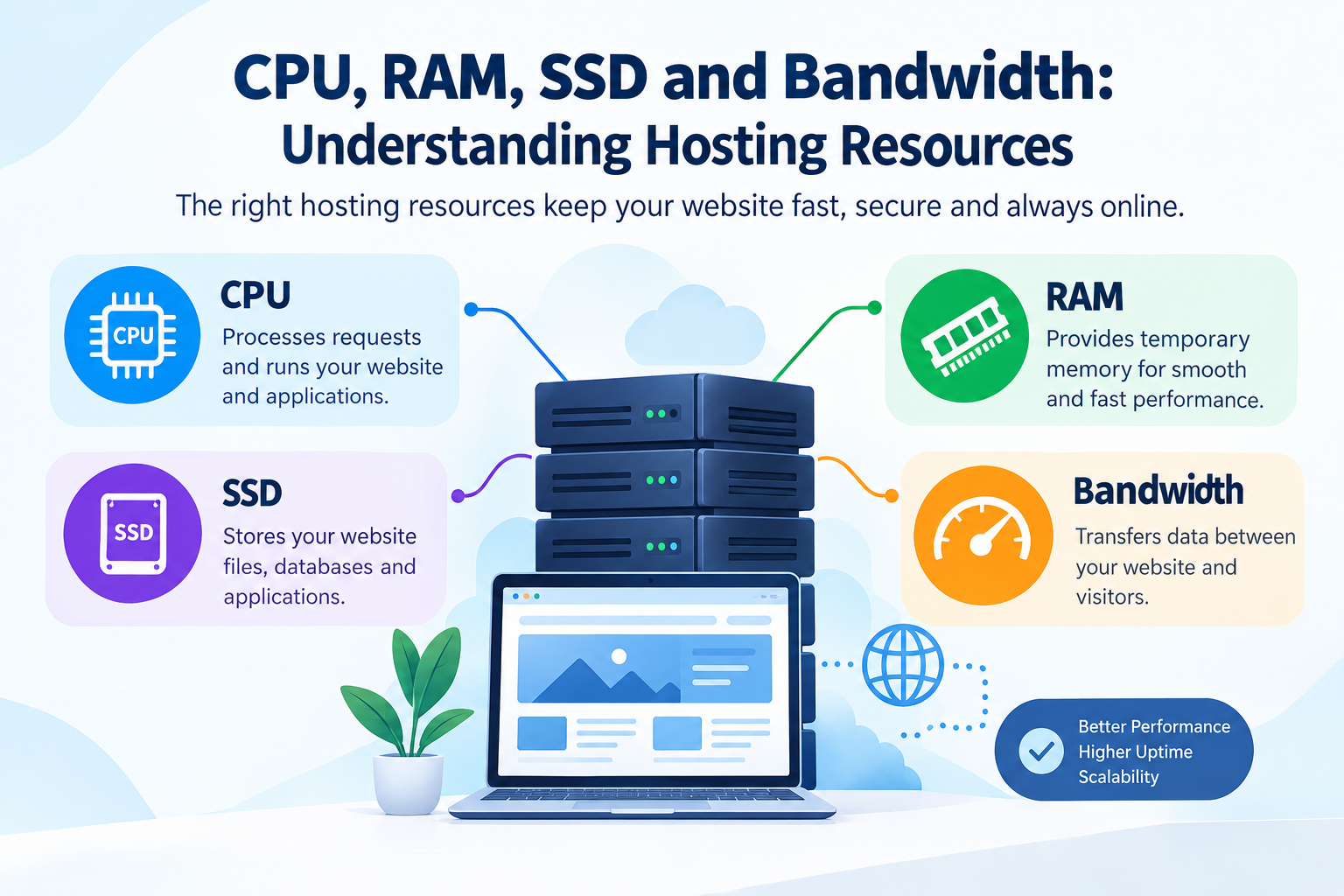
CPU, RAM, SSD and Bandwidth: Understanding Hosting Resources
When choosing a web hosting plan, you may come across terms such as CPU, RAM, SSD storage, and bandwidth. These are more than just technical specifications—they directly affect how your website performs. A website with limited hosting resources may load slowly, struggle during traffic spikes, or experience downtime. On...
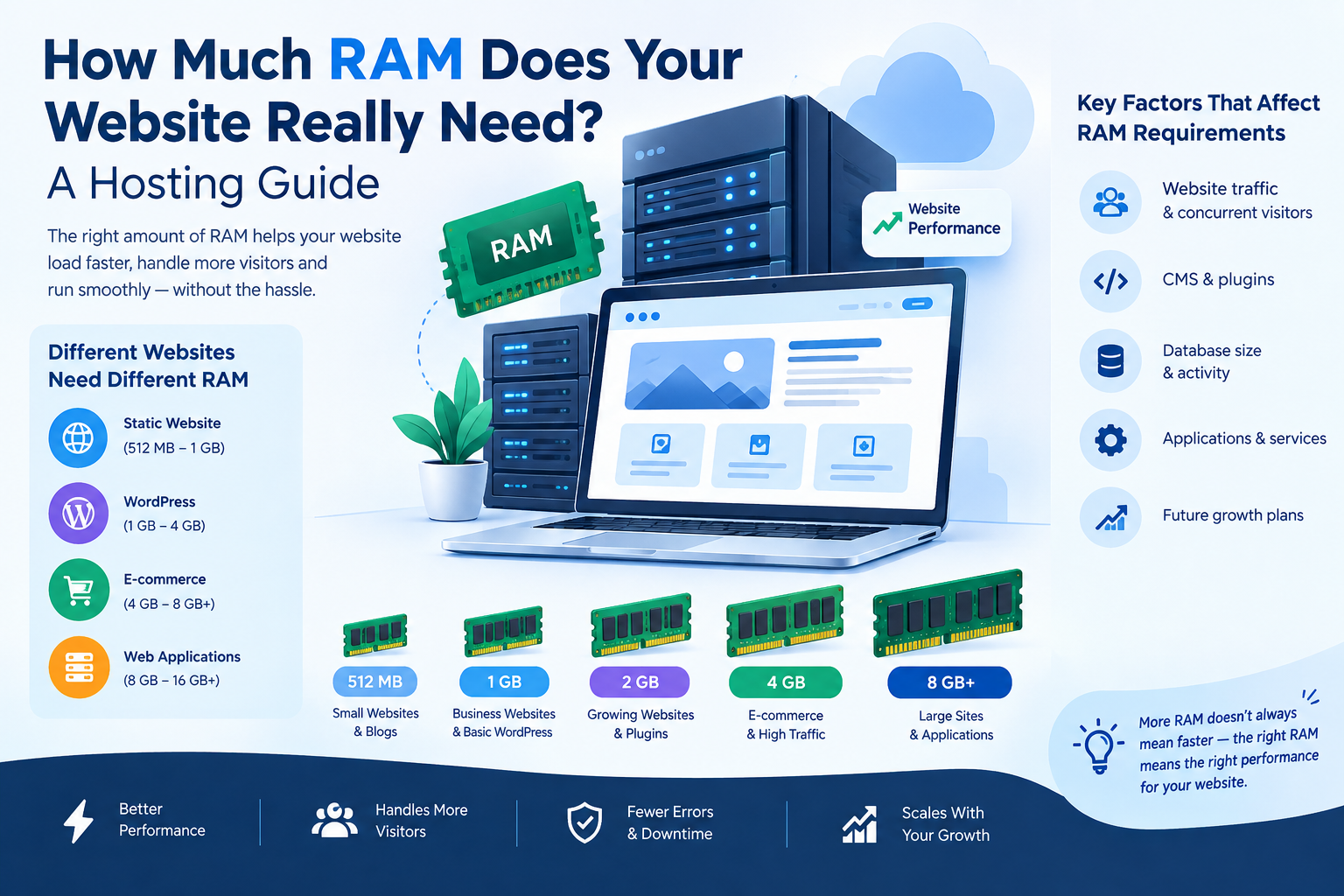
How Much RAM Does Your Website Really Need?
When choosing a web hosting plan, most people focus on storage, bandwidth, CPU, and price. But there is another important resource that can directly affect your website's performance: RAM. RAM, or Random Access Memory, allows your hosting server to temporarily store and process the data required to run your website, ap...
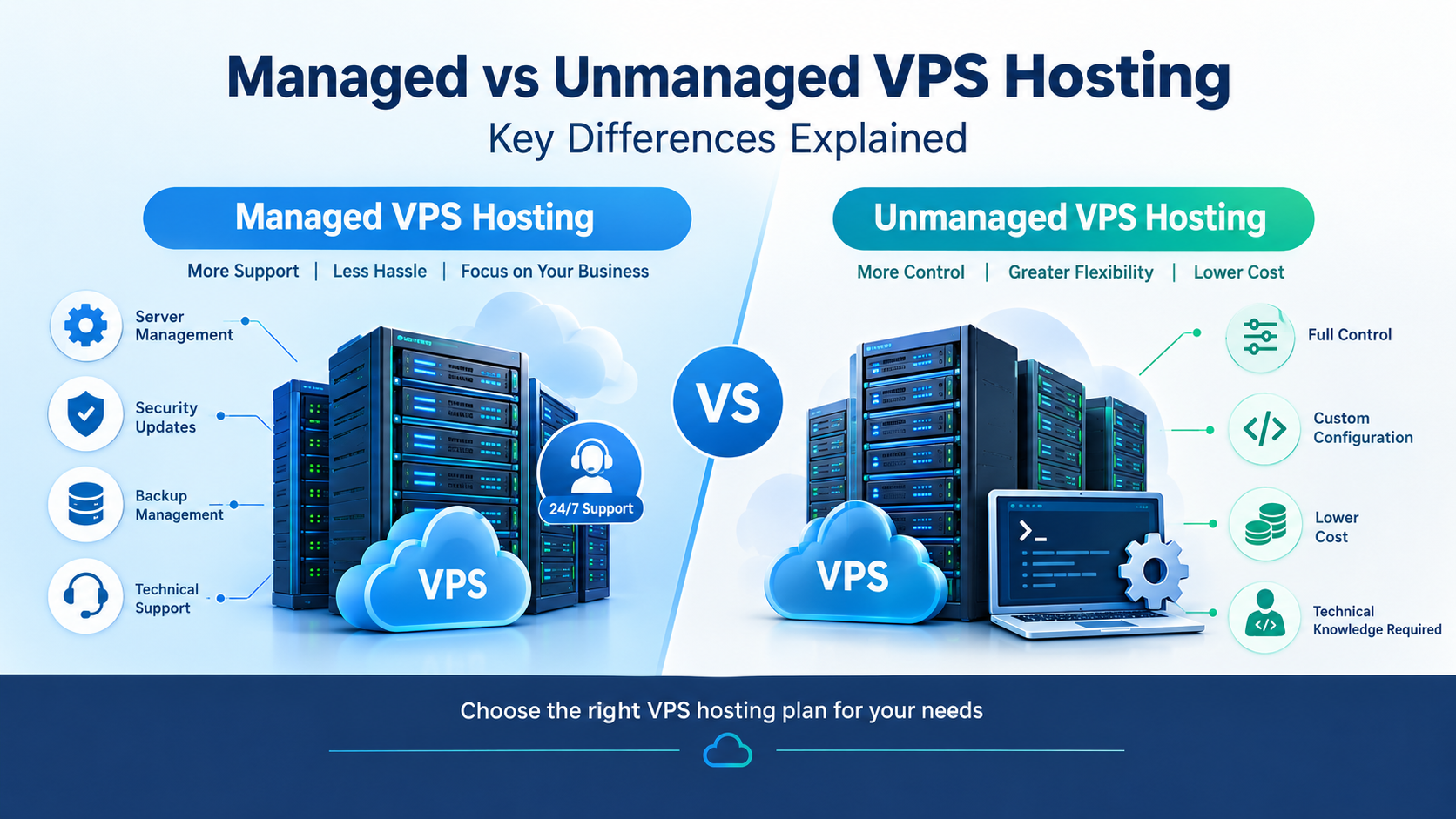
Managed vs Unmanaged VPS Hosting
Key Differences ExplainedTable of Contents Introduction What Is VPS Hosting? What Is Managed VPS Hosting? What Is Unmanaged VPS Hosting? Managed vs Unmanaged VPS Hosting: Key Differences Managed VPS Hosting: Advantages and Disadvantages Unmanaged VPS Hosting: Advantages and Disadvantages Which VPS Hosting Is Right for...
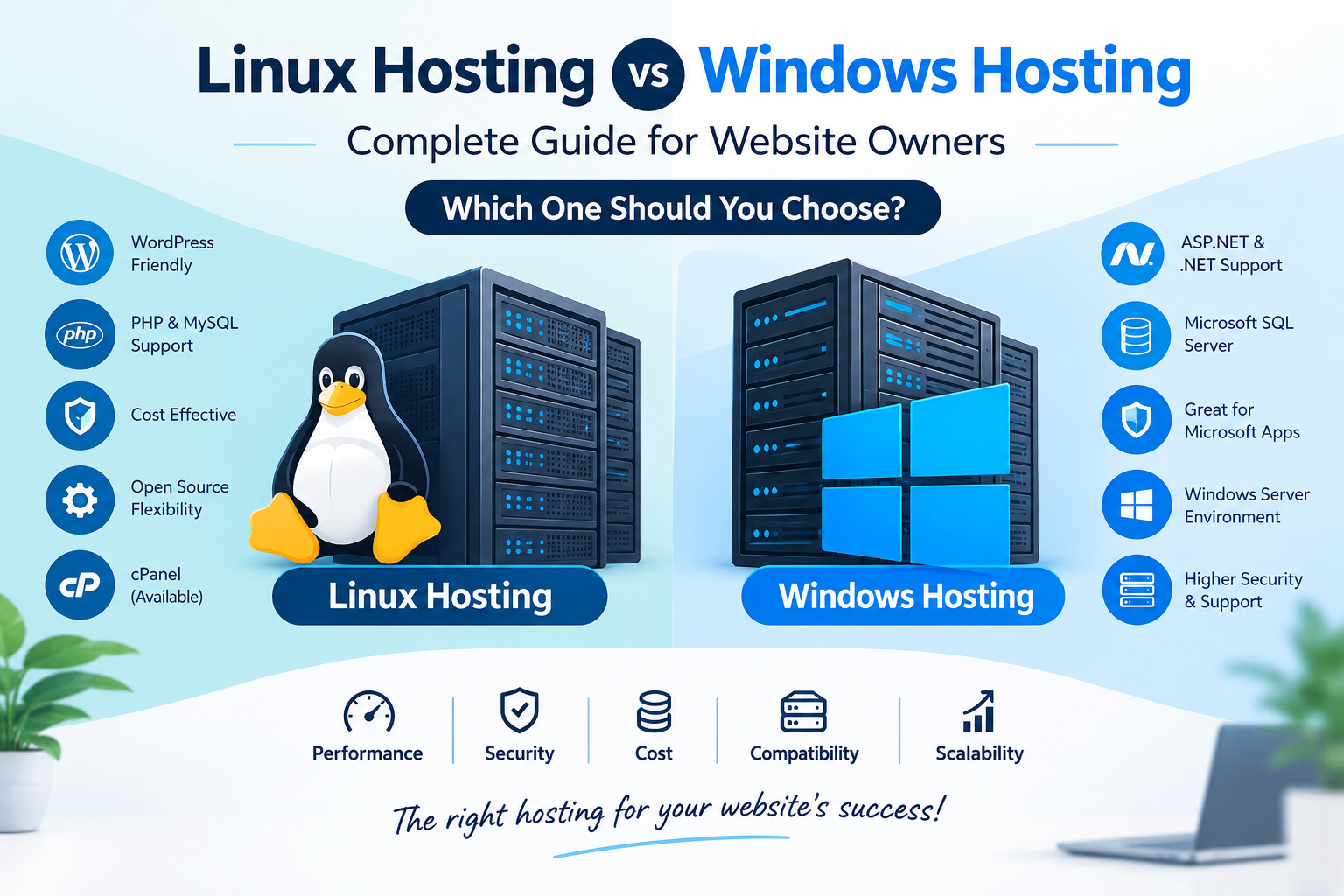
Linux Hosting vs Windows Hosting: Which One Should You Choose?
Choosing the right hosting platform is one of the most important decisions when launching a website. Your hosting environment can affect your website’s performance, compatibility, security, scalability, and overall maintenance.Two of the most common hosting platforms available today are Linux hosting and Windows hostin...
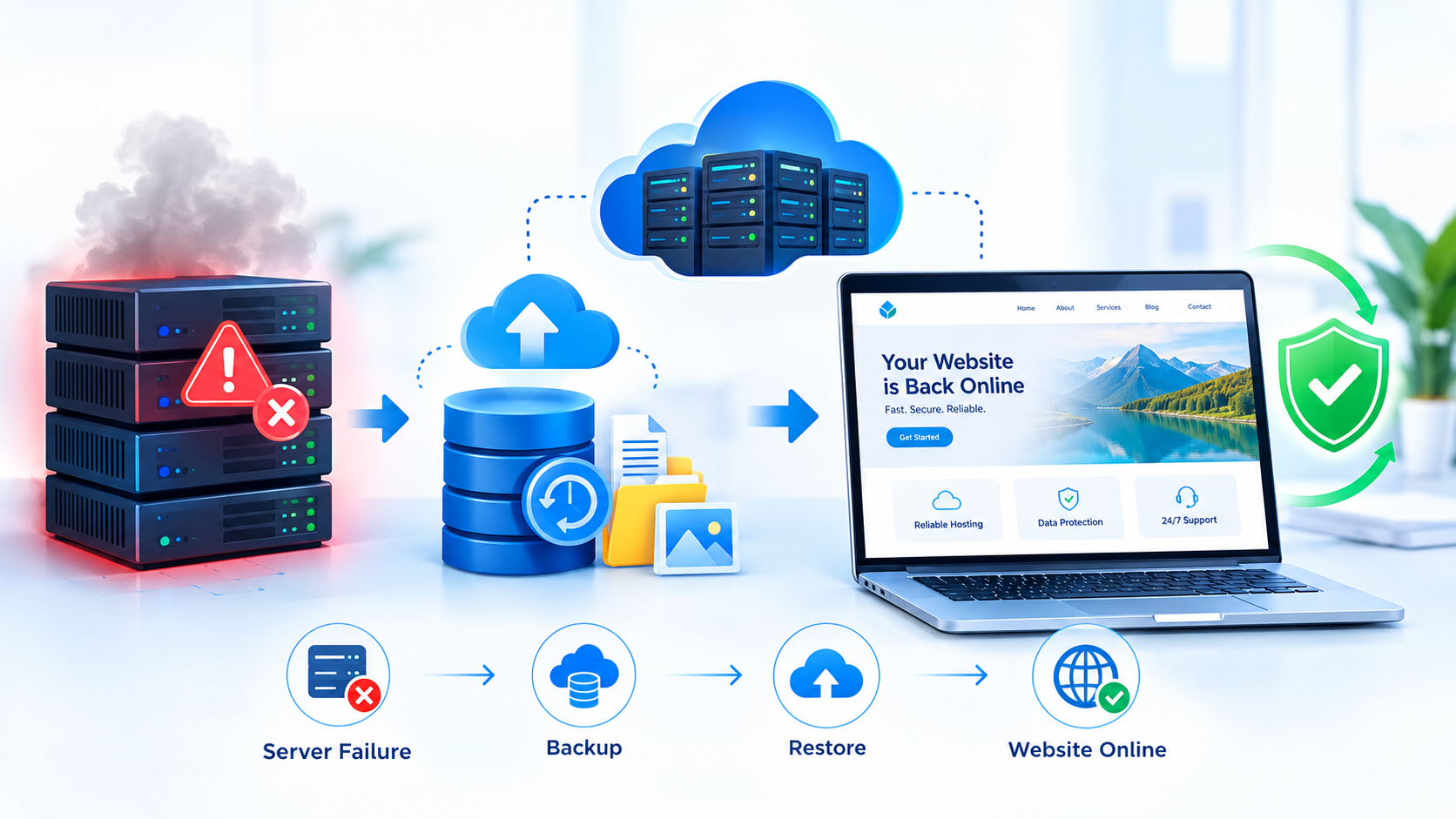
How to Recover a Website After a Hosting Server Failure
Website downtime can happen unexpectedly. A hosting server failure, hardware problem, software error, cyberattack, database issue, or configuration mistake can make your website unavailable. For businesses, even a few hours of downtime can result in lost visitors, missed leads, reduced sales, and damage to customer tru...
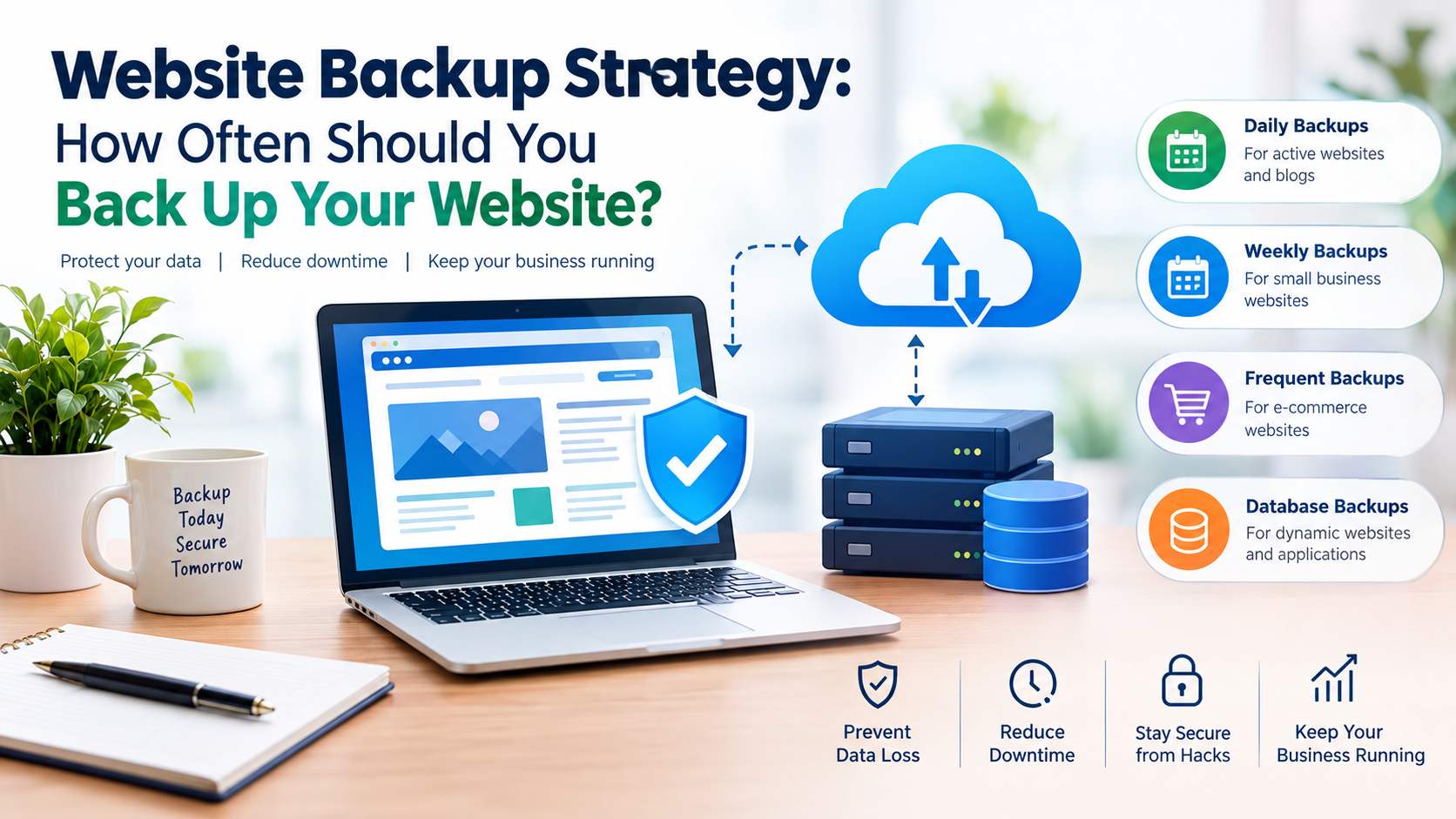
Website Backup Strategy: How Often Should You Back Up Your Website?
Your website is one of the most valuable assets of your business. It helps you attract customers, generate leads, showcase your services, and build trust with your audience. But what would happen if your website suddenly stopped working, your important files disappeared, or your database became corrupted?Without a prop...
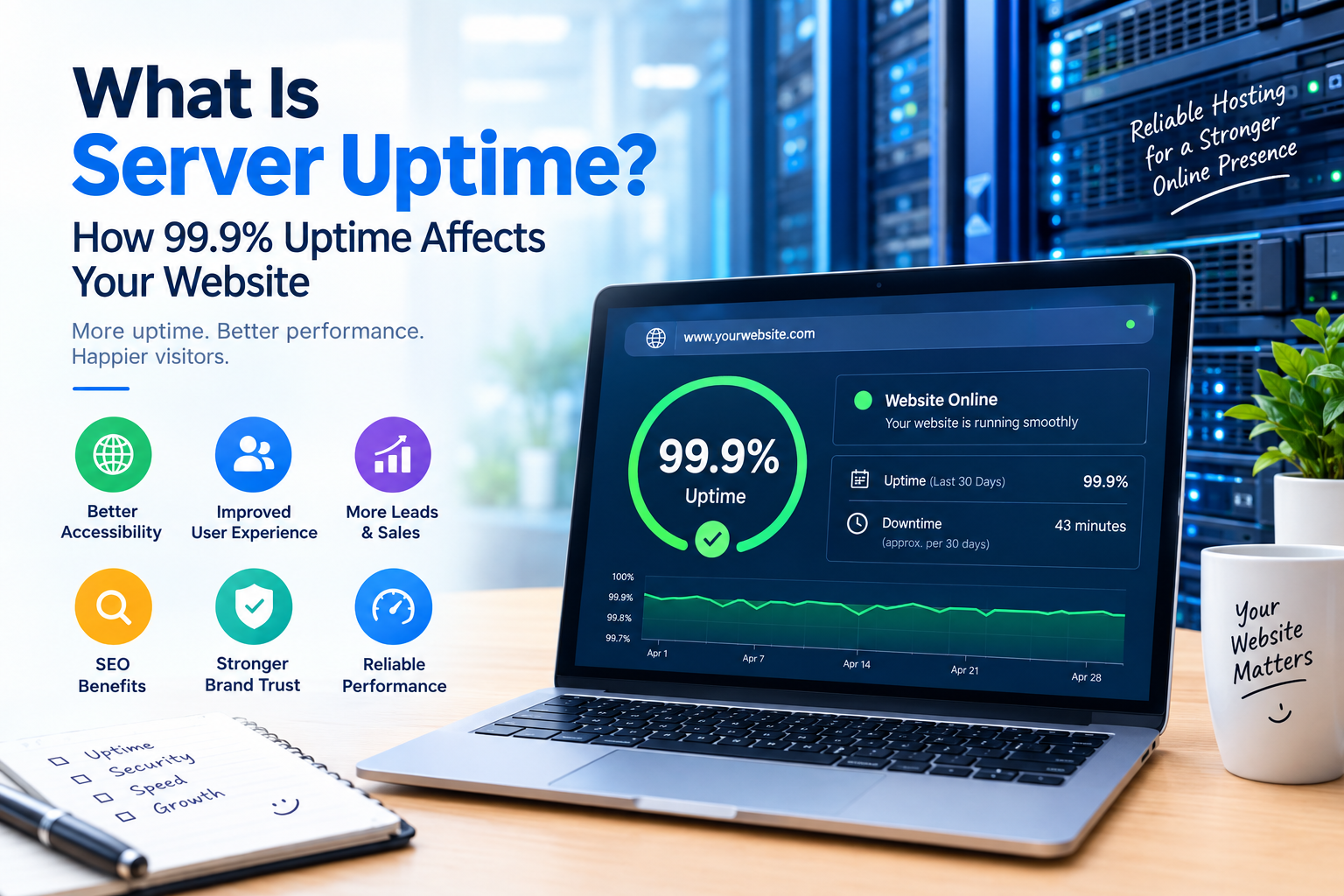
What Is Server Uptime? How 99.9% Uptime Affects Your Website
Have you ever visited a website only to find that it is not loading? A slow or unavailable website can frustrate visitors, reduce customer trust, and potentially affect your business revenue. One of the important factors behind website availability is server uptime.Whether you run an e-commerce store, a business websit...

How to Choose the Right Hosting for a High-Traffic Website
A website can start small, but successful websites often grow quickly. As your traffic increases, your hosting environment becomes more important. A hosting plan that works perfectly for a small business website may struggle when thousands of visitors start accessing the website at the same time. Slow loading pages, se...
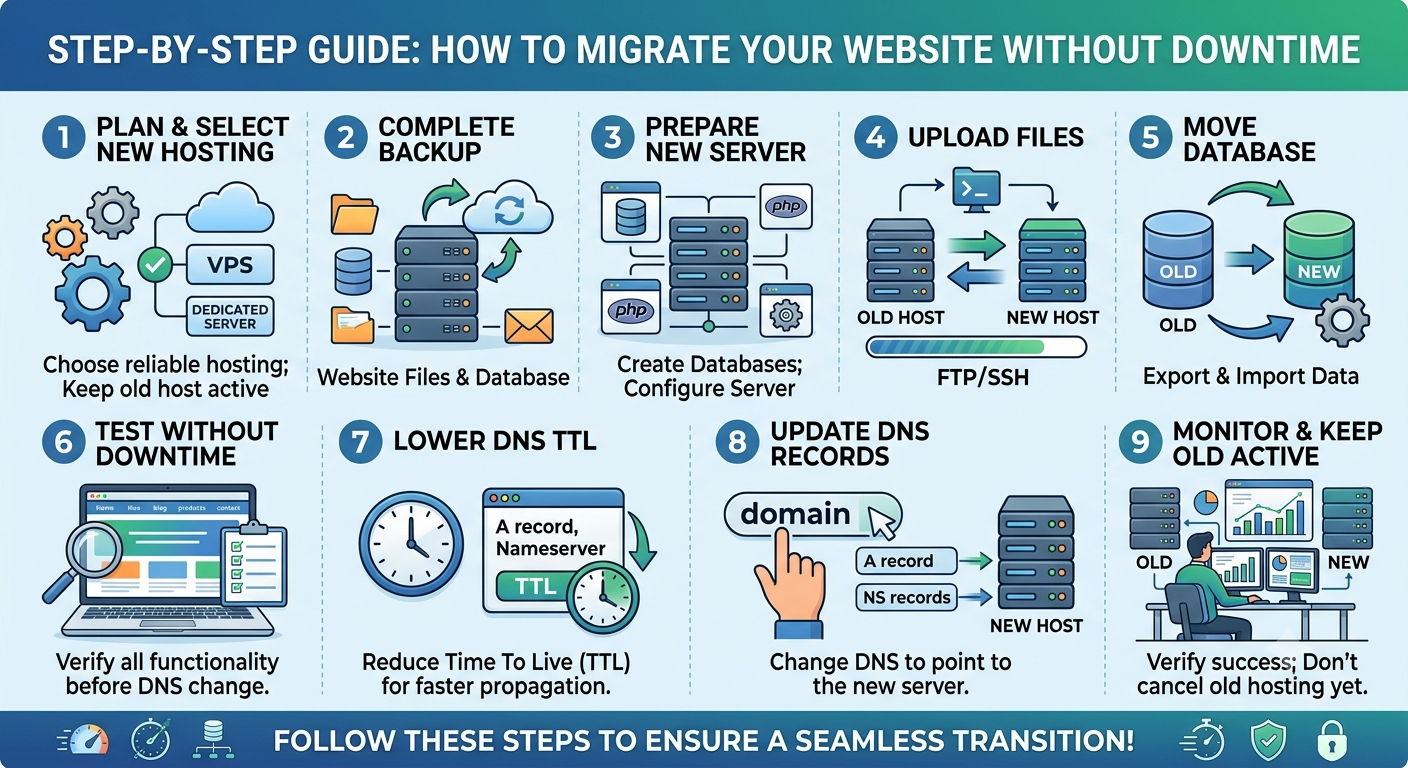
How to Migrate Your Website to a New Hosting Provider Without Downtime
Migrating your website to a new hosting provider can feel risky. You may worry about website downtime, lost files, broken links, database errors, email problems, or even a drop in Google rankings.The good news is that website migration can be completed with minimal or virtually no downtime when it is properly planned a...
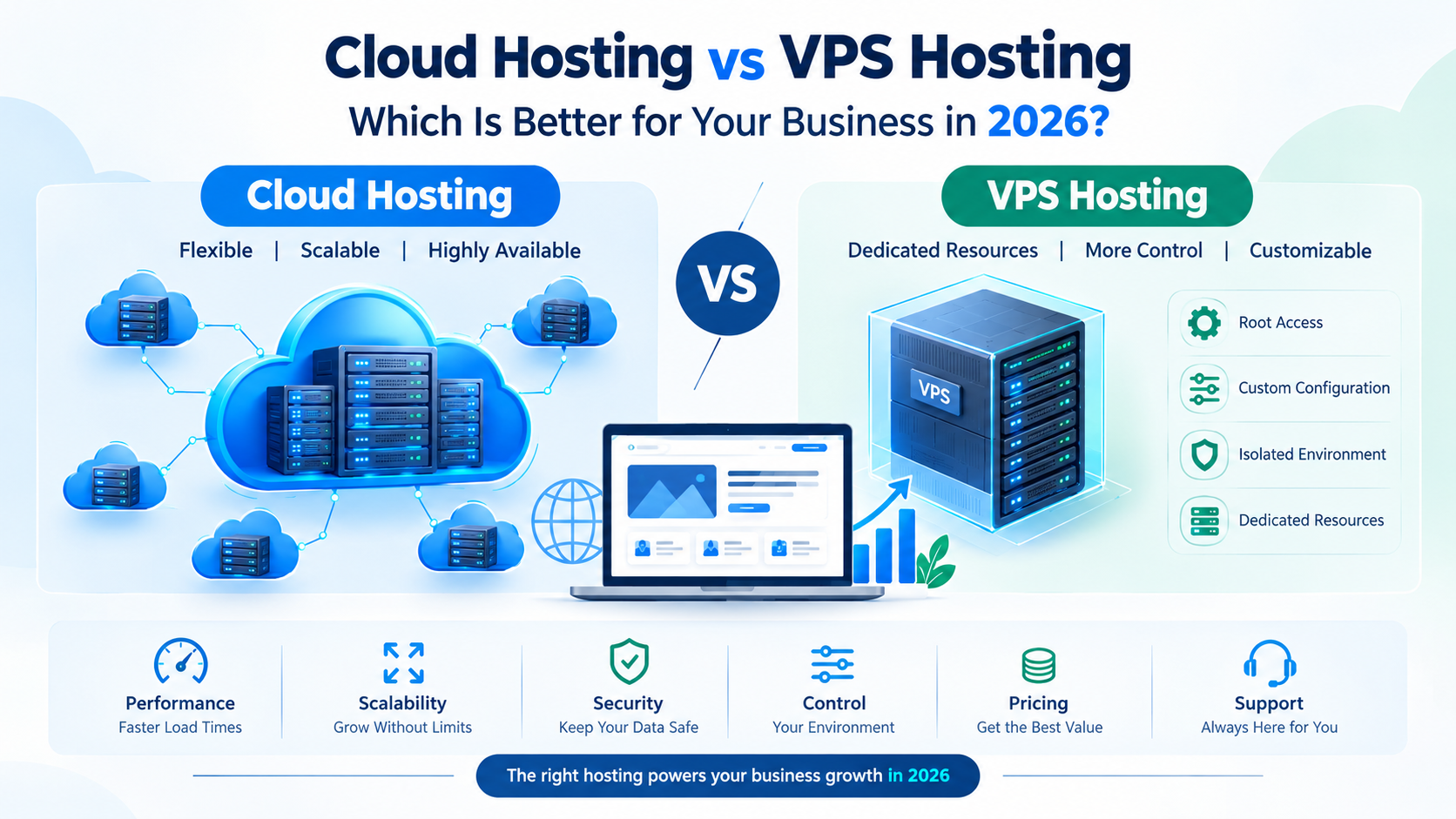
Cloud Hosting vs VPS Hosting: Which Is Better for Your Business in 2026?
Choosing the right web hosting is an important decision for any business. Your hosting environment affects your website’s speed, uptime, security, scalability, and overall performance.Two popular options for growing websites are Cloud Hosting and VPS Hosting. Both offer more resources and control than traditional share...
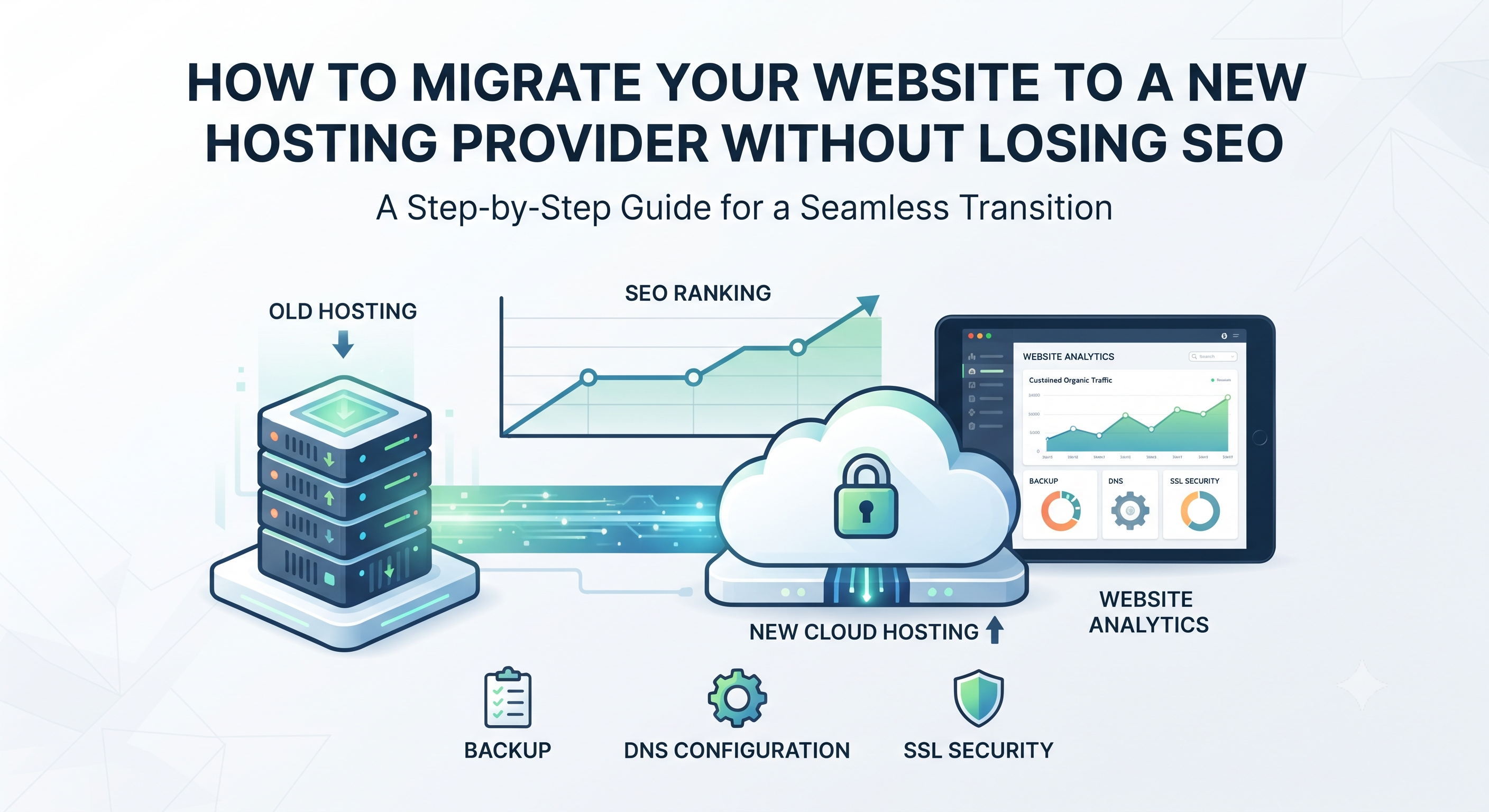
How to Move Your Website to a New Hosting Provider Without Losing SEO
Changing your website hosting provider can improve website speed, security, uptime, and overall performance. But if the migration is not handled correctly, it can also cause temporary or even long-term SEO problems.Your website may lose rankings, experience broken links, generate server errors, or see a drop in organic...