
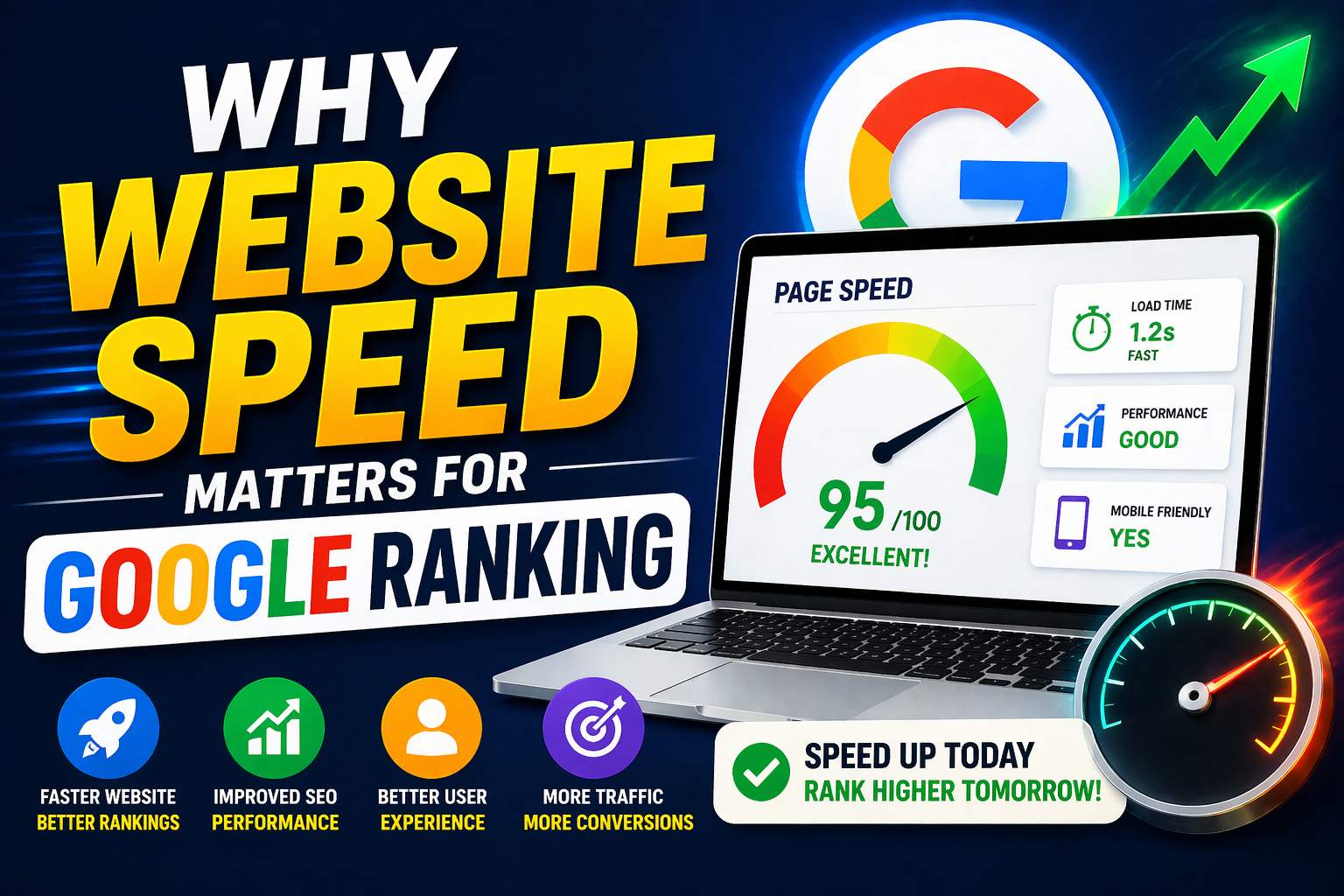
If your website takes more than a few seconds to load, you’re already losing traffic, leads, and potential customers. In today’s competitive digital space, website speed and Google rankingare closely connected. Google prioritizes fast-loading websites because they deliver a better user experience.
For businesses using hosting services like those offered by Cloud India Hub, improving website speed is one of the easiest ways to boost SEO performance. A slow website doesn’t just frustrate users—it also signals to search engines that your site may not provide the best experience.
What is Website Speed?
Website speed refers to how quickly your web pages load and become interactive.
Key metrics include:
Page load time
Time to first byte (TTFB)
Largest Contentful Paint (LCP)
First Input Delay (FID)
Faster websites perform better in search rankings.
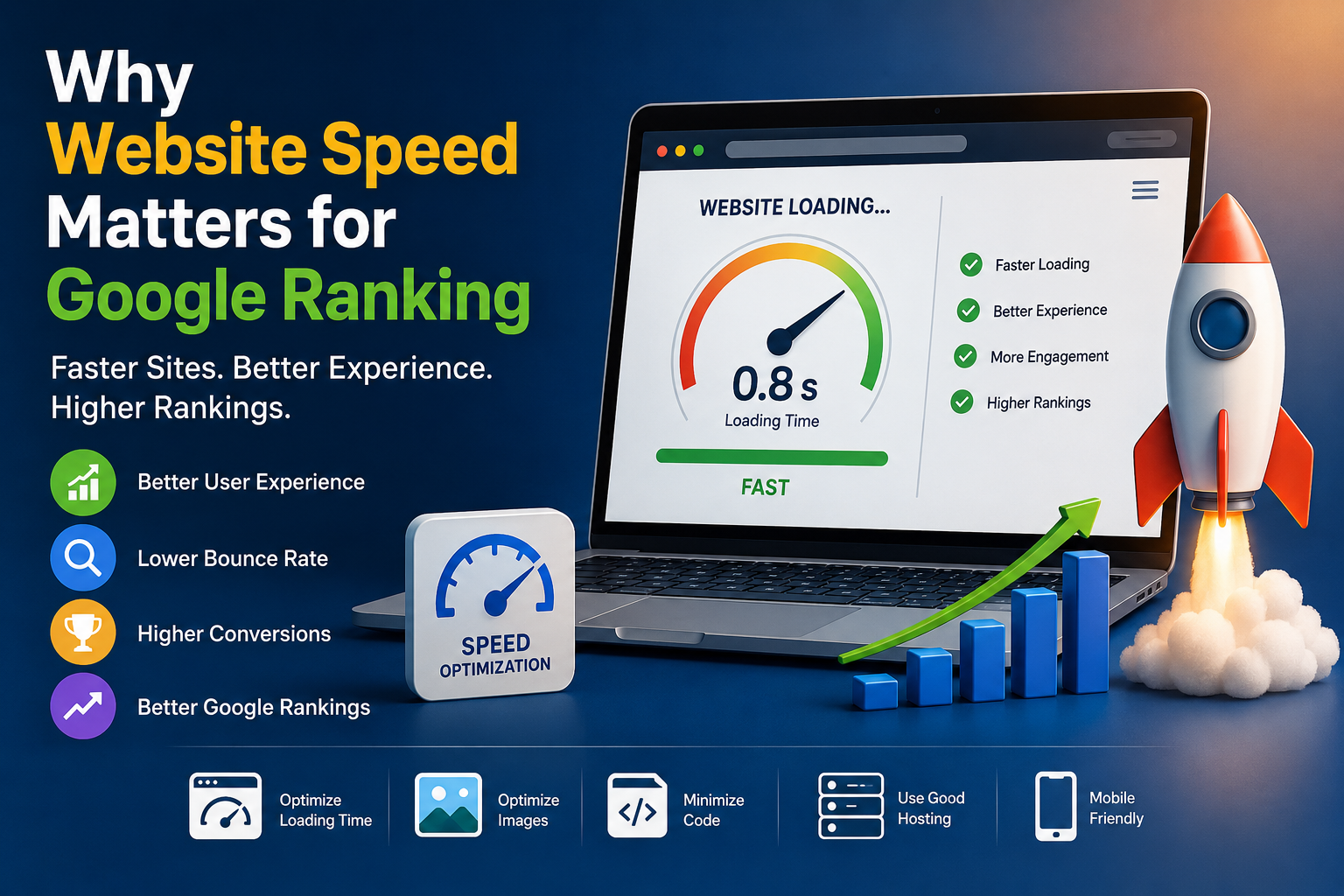
How Website Speed Affects Google Ranking
Google officially considers page speed as a ranking factor.
Here’s why it matters:
1. Better User Experience
Fast websites keep users engaged.
Slow websites lead to frustration and exits.
2. Lower Bounce Rate
If your site loads slowly, users leave quickly.
High bounce rate = negative SEO signal
3. Higher Search Rankings
Google rewards fast websites with better rankings.
Speed optimization improves visibility.
4. Mobile-First Indexing
Google uses mobile version for ranking.
Slow mobile sites rank lower.
Importance of Website Speed for SEO
Improved Crawl Efficiency
Search engines can crawl more pages on faster sites.
Better Conversion Rates
Faster websites lead to more sales and leads.
Enhanced User Engagement
Users stay longer and explore more pages.
Competitive Advantage
Speed gives you an edge over slower competitors.
Common Causes of Slow Website Speed
Poor hosting quality
Large image sizes
Too many plugins
Unoptimized code
Lack of caching
Many of these issues are related to hosting performance.
Role of Hosting in Website Speed
Your hosting provider plays a major role in speed.
Using reliable hosting like Cloud India Hub ensures:
Faster server response
Better uptime
Optimized performance
How to Improve Website Speed
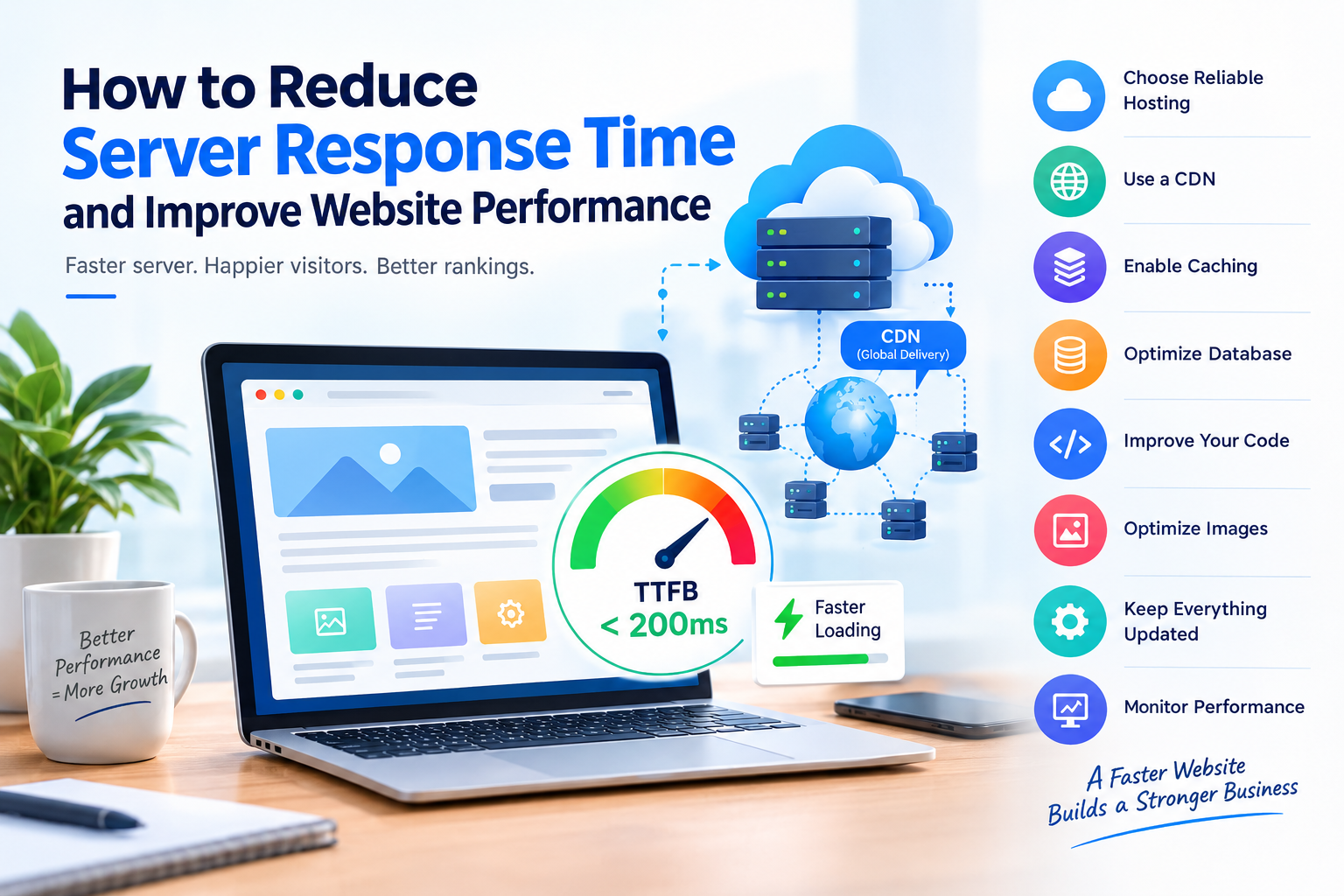
1. Choose Fast Hosting
Use SSD servers
Opt for VPS or cloud hosting
2. Optimize Images
Compress images
Use modern formats
3. Enable Caching
Browser caching
Server caching
4. Minify Code
Reduce CSS, JS, HTML size
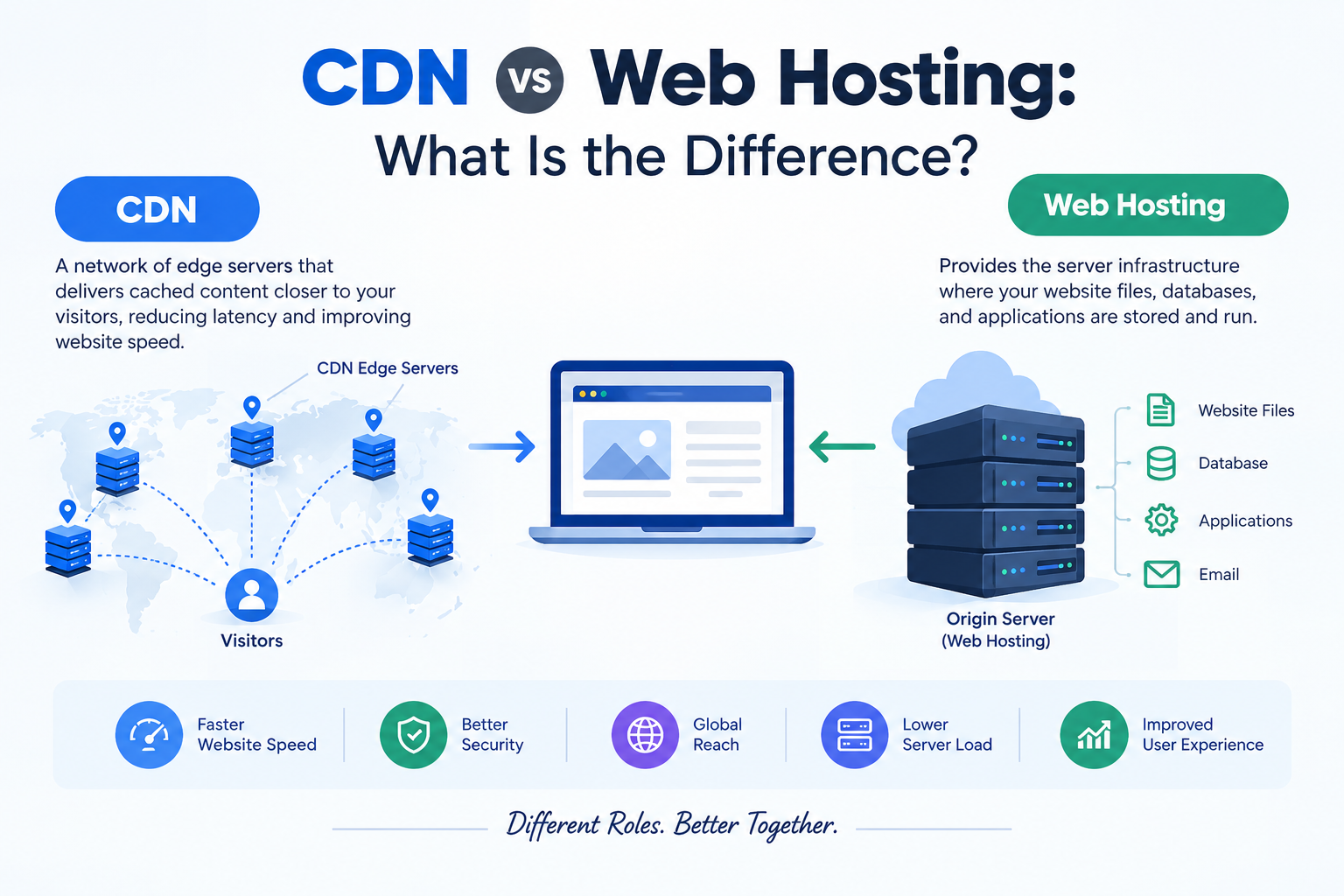
5. Use CDN (Content Delivery Network)
Faster global access
6. Optimize for Mobile
Responsive design
Lightweight pages
Tools to Check Website Speed
Use tools like:
Google PageSpeed Insights
GTmetrix
Pingdom
These help analyze performance and suggest improvements.
Website Speed Benchmarks
Ideal load time: under 3 seconds
Bounce increases after 3 seconds
Conversion drops significantly after 5 seconds
Speed directly impacts revenue.
Real Impact of Website Speed
Example:
1-second delay → 7% conversion loss
3-second delay → 40% users leave
Speed = money
Pro Tips to Boost Speed
Use lightweight themes
Reduce redirects
Optimize database
Limit external scripts
Small changes = big results
Conclusion
Understanding the relationship betweenwebsite speed and Google ranking is crucial for online success. A fast website improves user experience, reduces bounce rate, and boosts search engine visibility.
Whether you’re running a blog, business website, or eCommerce store, investing in speed optimization—especially through reliable hosting like Cloud India Hub - can significantly improve your SEO performance.
In today’s digital world, speed isn’t optional—it’s essential.
FAQs
Why is website speed important for SEO?
It improves user experience and helps websites rank higher on Google.
What is a good website loading speed?
Ideally under 3 seconds.
Does website speed affect conversions?
Yes, faster websites lead to higher conversions.
How can I improve website speed?
Use fast hosting, optimize images, enable caching, and reduce code size.
Does hosting affect website speed?
Yes, hosting plays a major role in performance and loading time.
Which tool checks website speed?
Google PageSpeed Insights and GTmetrix are popular tools.
Can slow websites rank on Google?
It’s difficult, as Google prefers fast-loading websites.


























































































































































































Leave A Comment