

How To Choose Between Cloud Hosting Providers In India
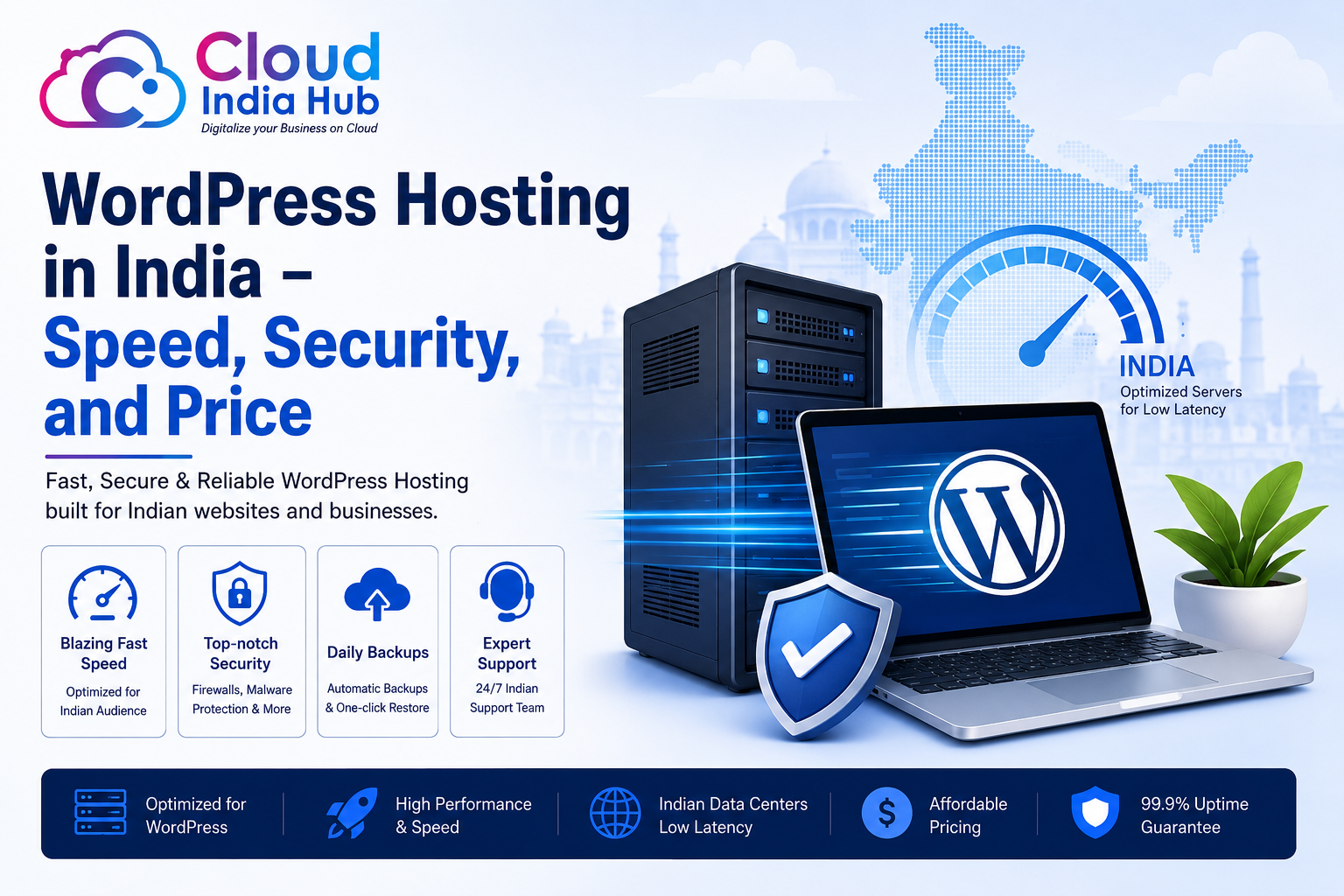
The best cloud hosting providers in India put a 99.9% uptime promise in writing, back up your site on a schedule and follow the 6-hour incident reporting rule set by CERT-In. Cloud India Hub's shared plans start at ₹299 a month.
Picking a host is mostly about promises you can verify. Start with what 99.9% uptime means in real minutes, then work through the seven checks below. They suit a small business site, an online store or a growing app.
At A Glance
• Price: shared hosting from ₹299 per month, VPS plans advertised from ₹100 per month
• Uptime: 99.9% uptime guarantee, about 8 hours 45 minutes of downtime a year
• Backups: daily backups on Standard and Professional shared plans
• Security rule: CERT-In expects incident reports within 6 hours
What Do Cloud Hosting Services In India Actually Include?
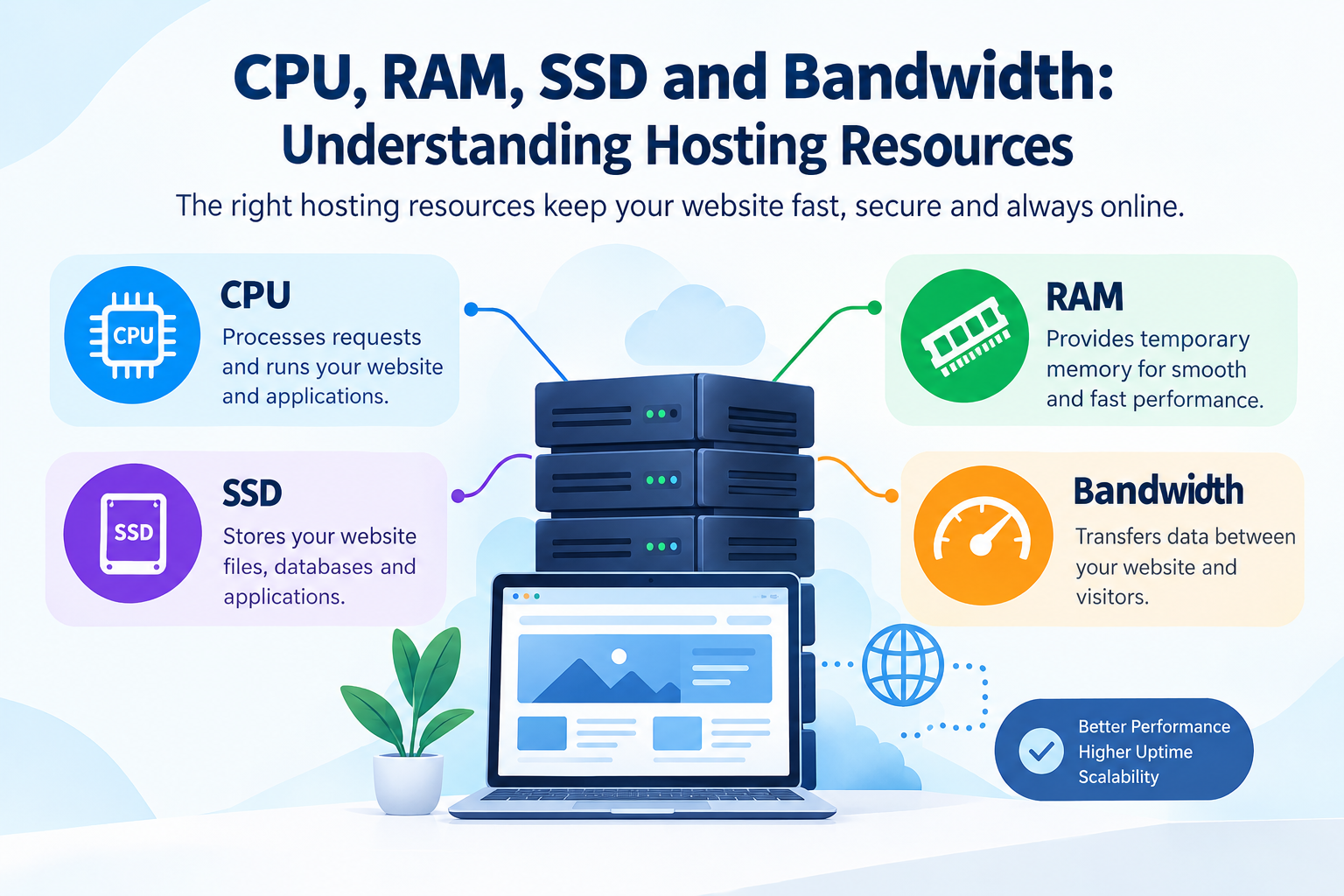
Cloud hosting services in India run your site on a pool of connected servers instead of one machine, so resources can grow when traffic does. Good cloud hosting providers add backups, security tools and support on top of raw CPU, RAM and storage.
Three layers decide whether a plan is worth paying for:
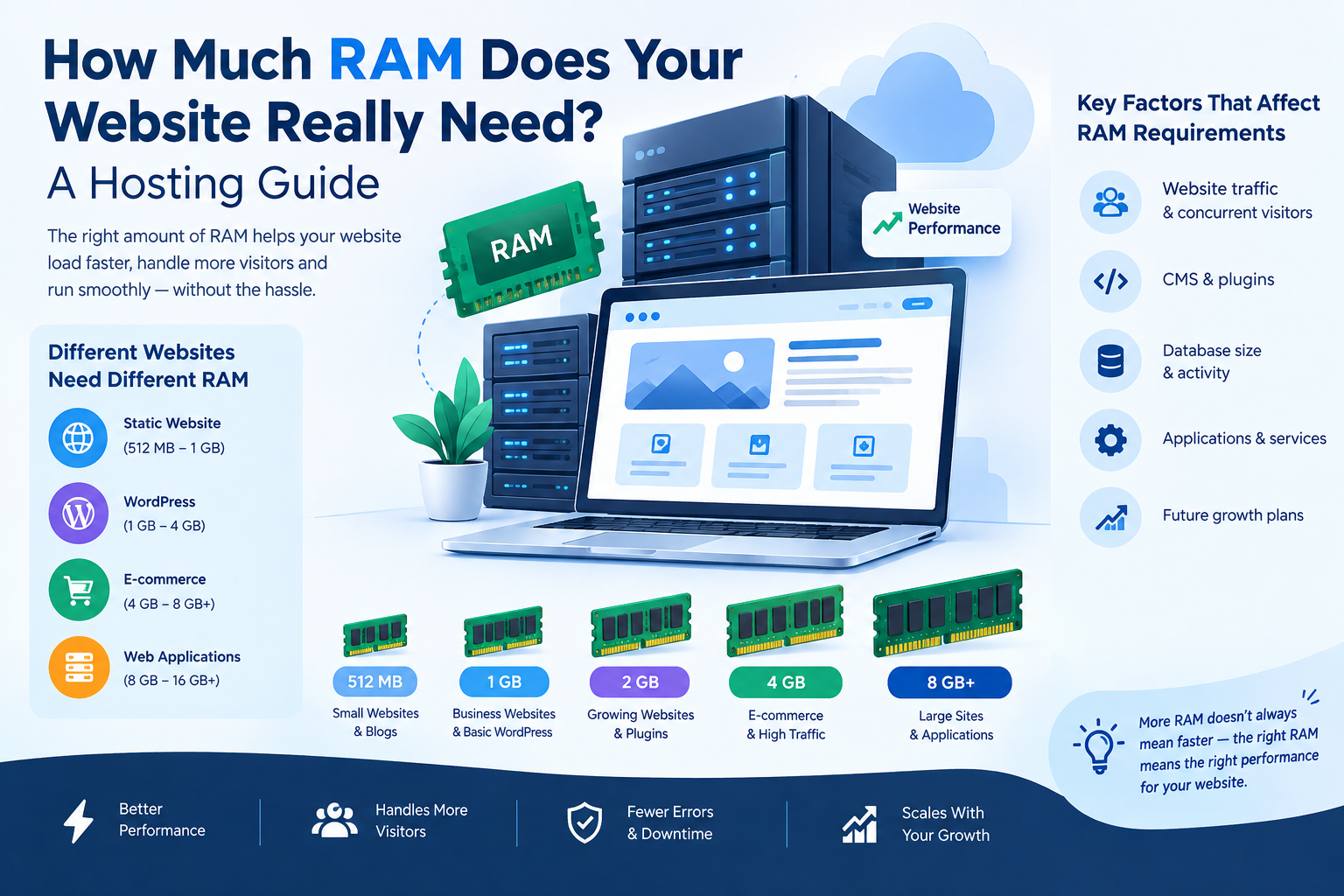
• Compute and storage: vCPU, RAM and SSD that you can upgrade without moving servers.
• Protection: SSL, traffic filtering and scheduled backups.
• Support: a human on chat or phone when something breaks at night.
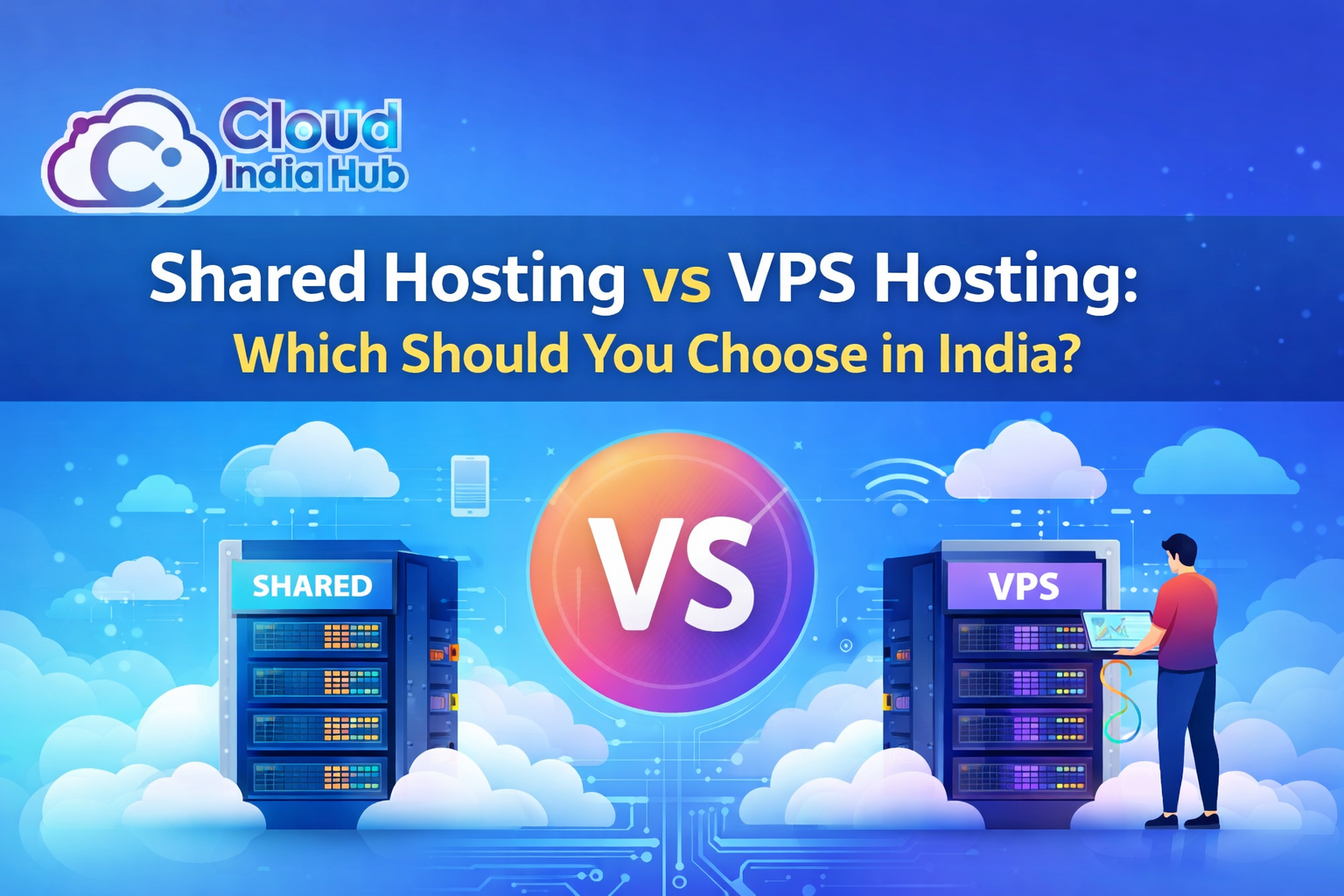
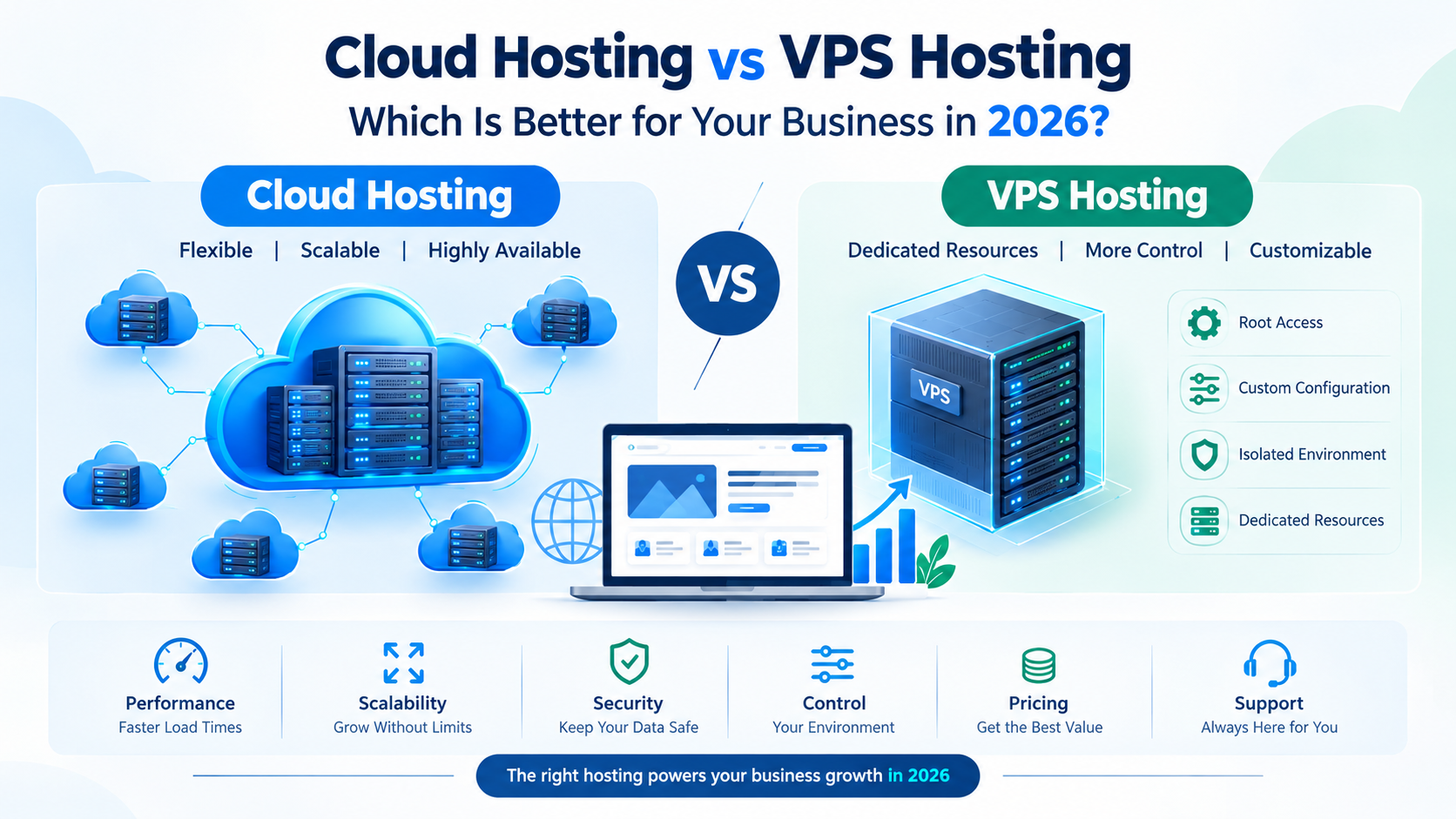
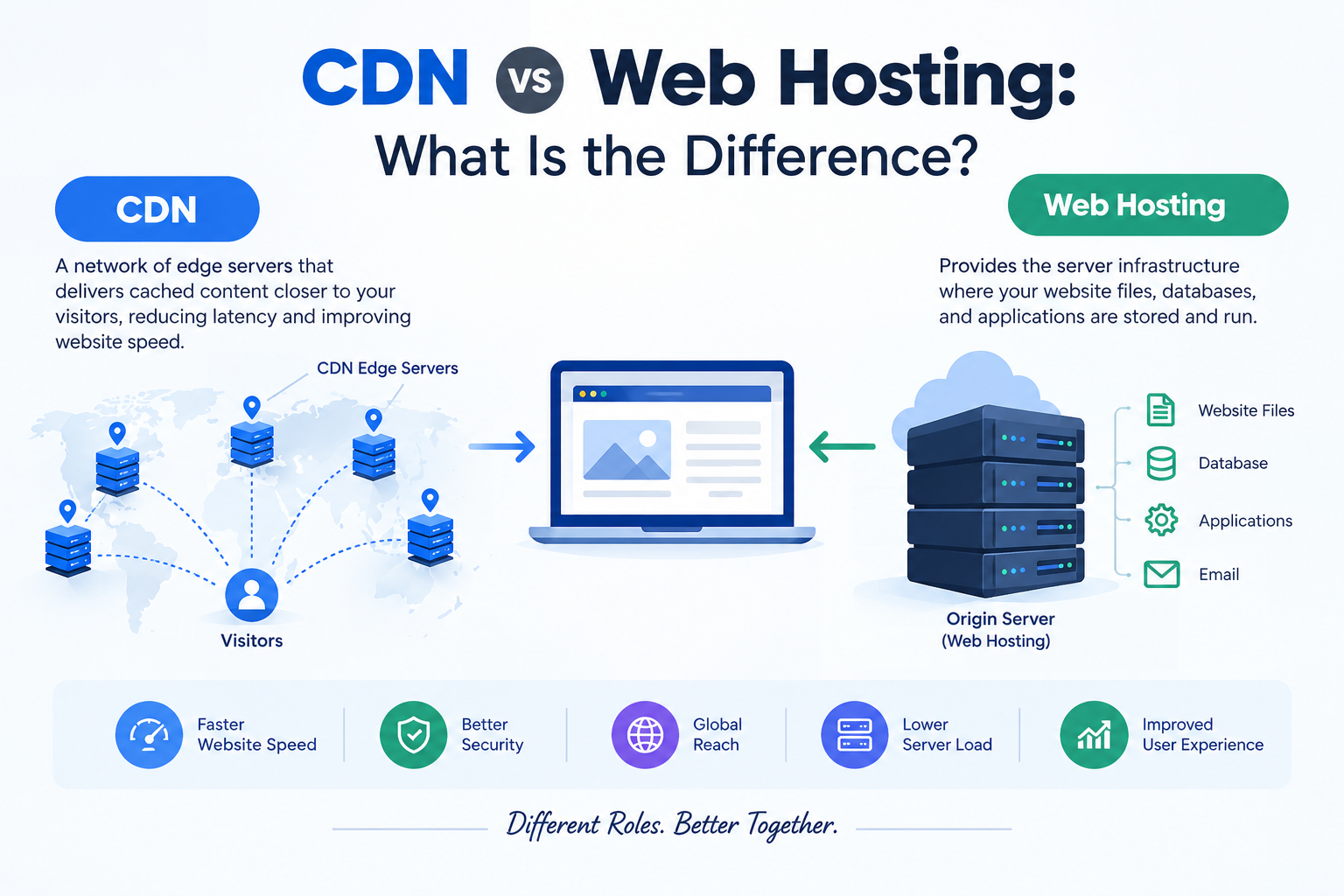
The labels overlap more than most sales pages admit. Read cloud hosting compared with VPS hosting before you commit, because the better choice depends on how predictable your traffic is.
Which Plan Type Fits Your Website?
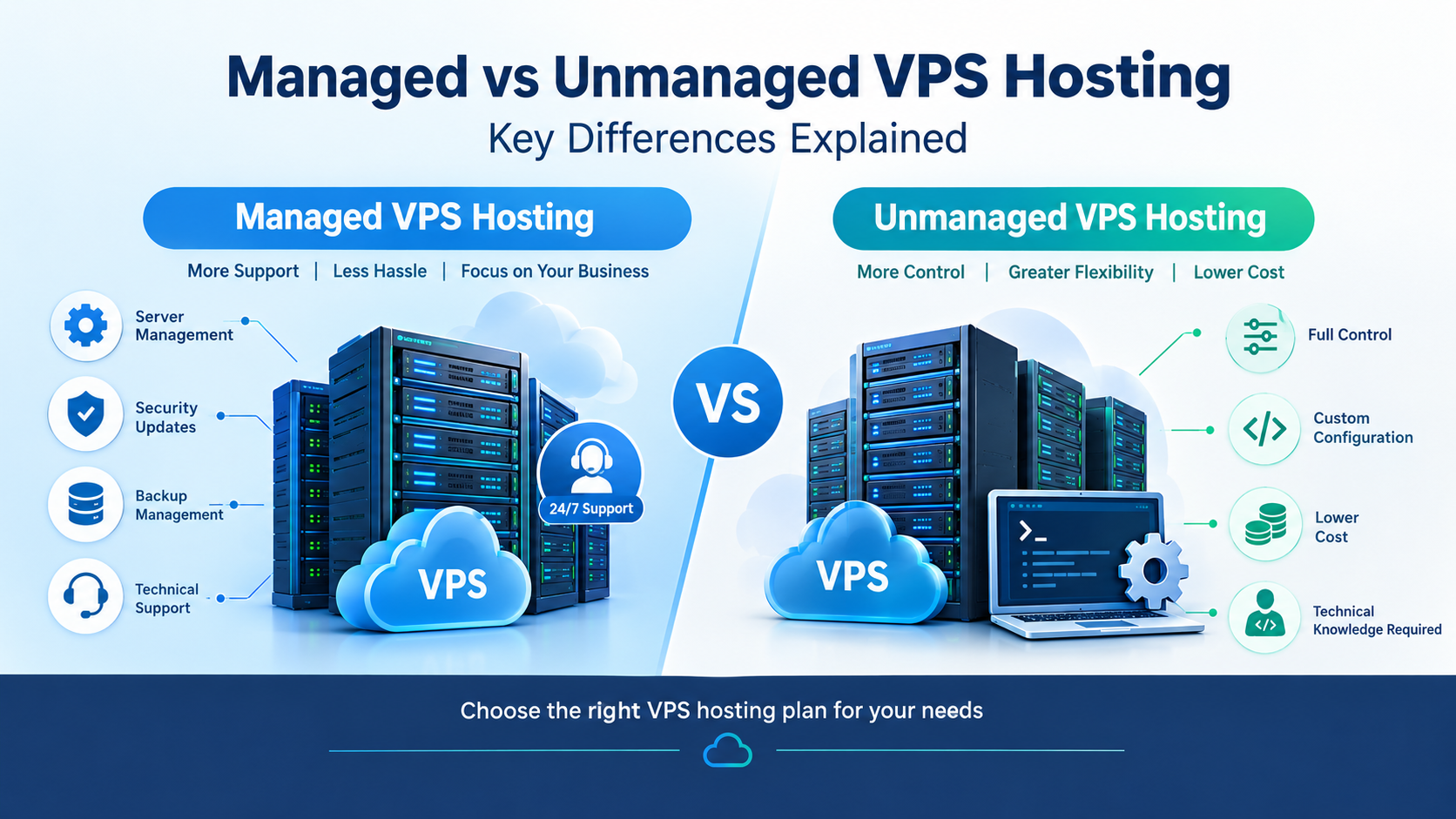
Match the plan to the workload, not to the label. A single brochure site runs fine on shared hosting, while a busy store, a custom app or a database-heavy project needs the dedicated resources and root access of a VPS.
Cloud India Hub’s plan pages draw the line clearly. The shared range hosts 1 site on Starter and 10 sites on Standard, and every VPS plan includes full root access so you can install the software you need.
• Brochure site or portfolio: Shared Starter covers 1 website with 10 GB SSD and 10 email accounts.
• Agency with several client sites: Shared Standard hosts 10 websites and runs daily backups.
• Online store or web app: a VPS gives dedicated vCPU and RAM, and its plan page lists PHP, Node.js and Python support.
• Developer or test environment: a VPS offers Ubuntu, CentOS, Debian, AlmaLinux or Rocky Linux and suits staging copies.
Moving up later is normal. Start on the smallest plan that covers your traffic and backups, then upgrade when monitoring shows steady pressure on CPU or RAM.
How Much Should Cheap Cloud Hosting In India Cost?
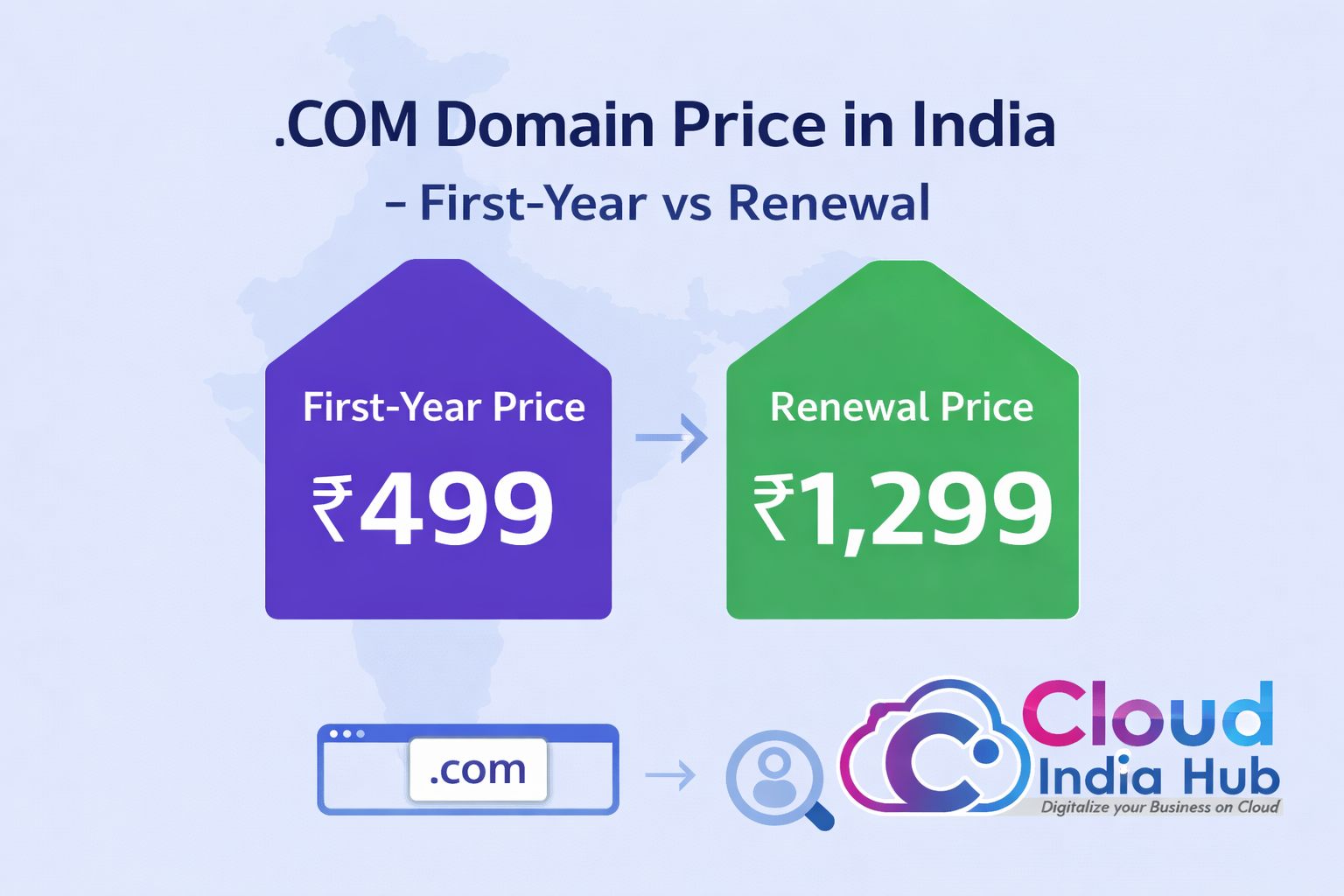
Cheap cloud hosting in India can start near ₹100 to ₹300 a month, but the lowest plan often drops backups or caps the number of websites. Judge the price against features you will actually use, and read the renewal price before paying.
When you compare cloud hosting providers, ask what the monthly price leaves out. This snapshot shows how the same company layers features as the price rises.
|
Plan |
Advertised price |
Resources |
Backups |
|
Shared Starter |
₹299 per month |
1 site, 10 GB SSD |
None |
|
Shared Basic |
₹499 per month |
5 sites, 50 GB SSD |
Weekly |
|
Shared Standard |
₹899 per month |
10 sites, 100 GB SSD |
Daily |
|
VPS Starter |
₹100 per month |
1 vCPU, 2 GB RAM, 40 GB SSD |
Daily snapshots |
|
VPS Basic |
₹150 per month |
2 vCPU, 4 GB RAM, 100 GB SSD |
Daily snapshots |
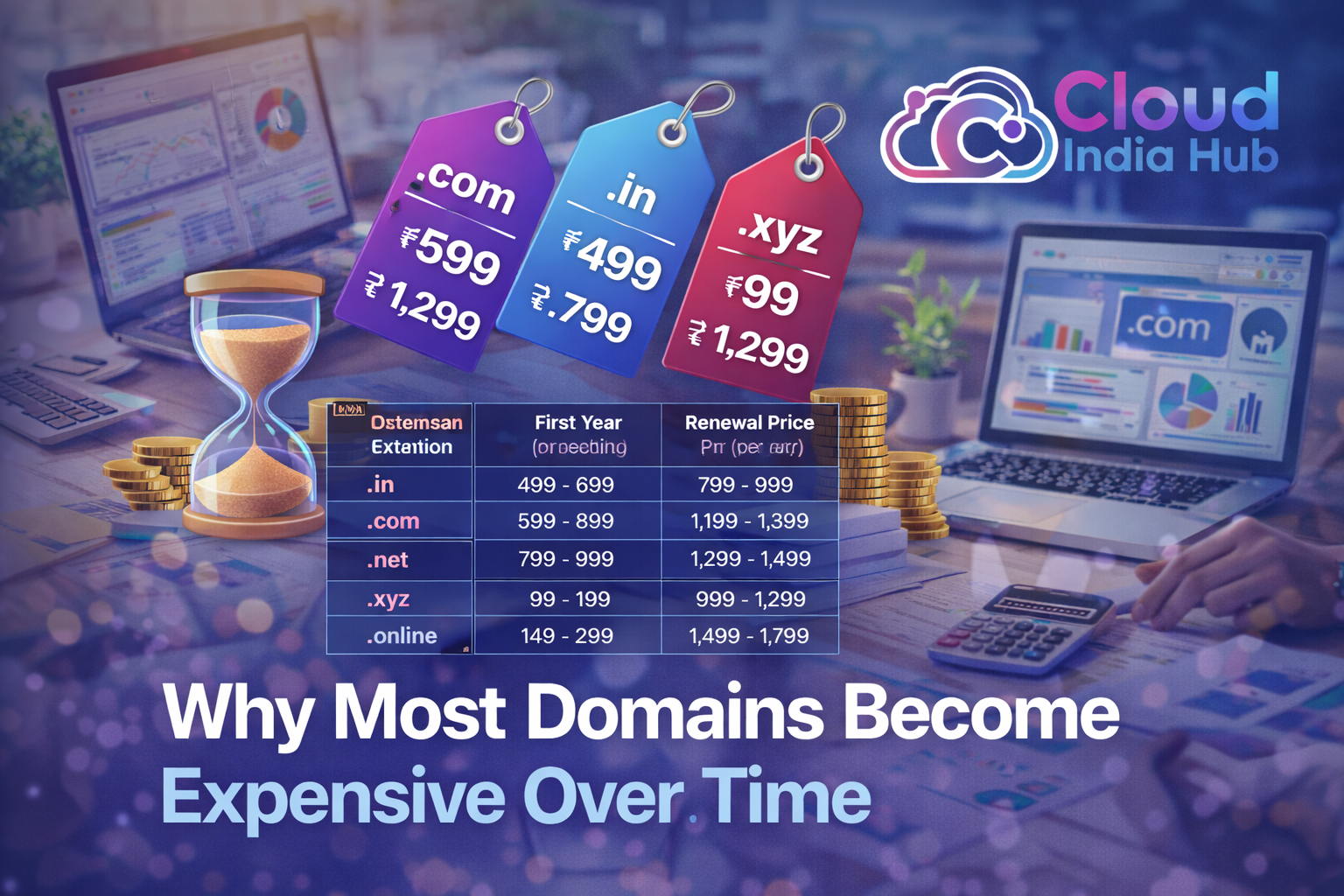
Yearly billing trims the cost further. The shared hosting plans page shows Starter at ₹2,870.40 a year instead of ₹3,588, a 20 percent saving. Cloud India Hub says renewal prices appear before you buy.
What Hidden Costs Should You Watch For?
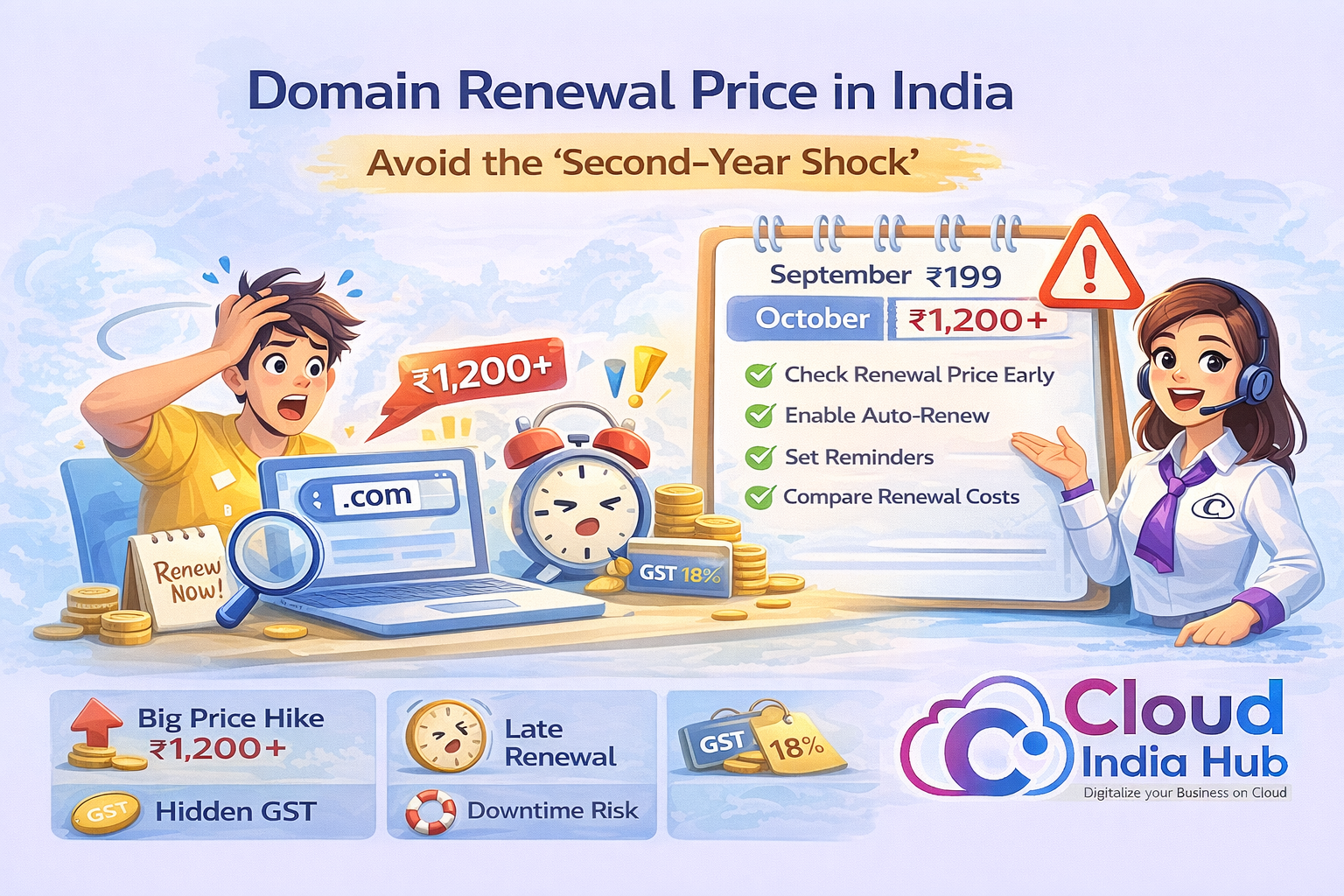
The biggest hidden costs are renewal rates, unmetered limits, taxes and add-ons you assumed were included. Read the fine print on each before you compare monthly figures, because a sticker price rarely tells the whole story.
Cloud India Hub flags one of these itself. Its plans mark unmetered bandwidth, storage and email with an asterisk, which means no fixed cap, but usage stays subject to the fair-use limits in its terms and conditions.
• Renewal price: confirm the second-year rate for hosting and for any free domain.
• Free domain: the Standard plan lists a free domain for the first year only.
• Taxes: domain prices on the Cloud India Hub site exclude GST, so check the checkout total for every product.
• Email accounts: Starter includes 10, Basic includes 50 and higher plans list unmetered accounts.
• Restores and migrations: ask whether restoring a backup or moving your site costs extra.
Write the year-one and year-two totals on your scorecard. The gap between them is the number that matters.
Which Uptime Promise Is Worth Trusting?
A 99.9% uptime promise allows 8 hours 45 minutes 36 seconds of downtime a year. Ask for the service level agreement in writing, and check how the provider measures uptime and what it leaves out.
A headline percentage means little without its rules. Ask each provider:
• Is uptime measured monthly or yearly?
• Are maintenance windows excluded?
• Is there a public status page?
• What happens when the target is missed?
Strong cloud hosting providers answer these in writing. Cloud India Hub lists a 99.9% uptime guarantee and 24/7 support on its VPS and About pages.
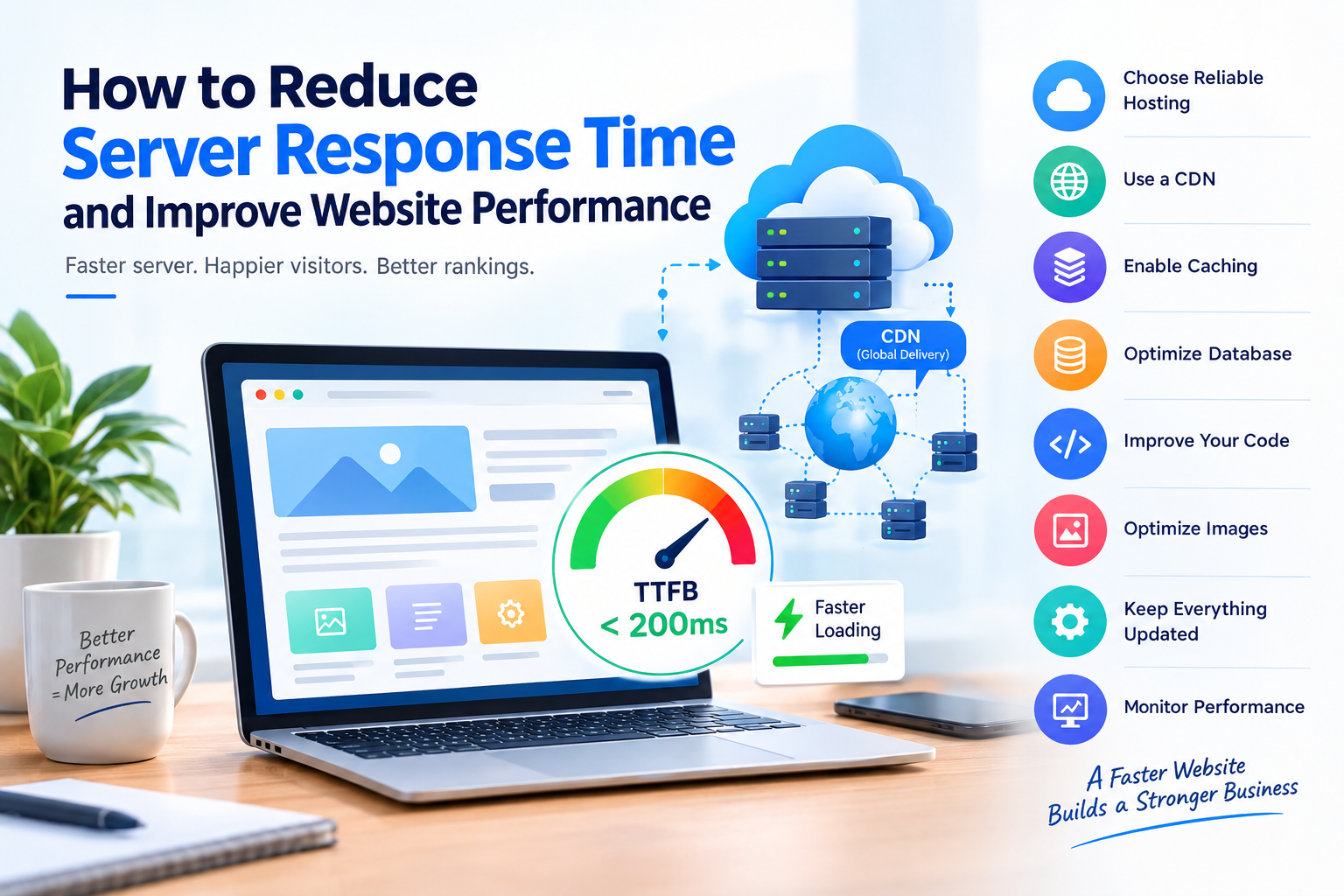
Uptime says nothing about speed. Pages can crawl on a server that never goes offline, so time a few real requests on a trial plan before you commit.
What Makes Secure Cloud Hosting Providers Different?
Secure cloud hosting providers combine encryption, traffic filtering, scheduled backups and legal compliance, not just a padlock icon. In India that includes the CERT-In rules for incident reporting and log retention.
The CERT-In directions of April 2022 require service providers and data centres to report listed cyber incidents within 6 hours. They must also keep system logs for a rolling 180 days within Indian jurisdiction.
Cloud and VPS providers face one more duty. They must keep validated customer registration records for 5 years after a cancellation. Put these questions to every shortlisted host:
• Do you report incidents to CERT-In within 6 hours?
• Are logs kept for 180 days inside India?
• Is traffic filtered against DDoS attacks?
• Is SSL free and renewed automatically?
Cloud India Hub’s VPS page lists DDoS protection and free Let’s Encrypt SSL. Treat any host’s answers on compliance as claims to confirm in writing.
How Do Backups And Support Change The Real Cost?
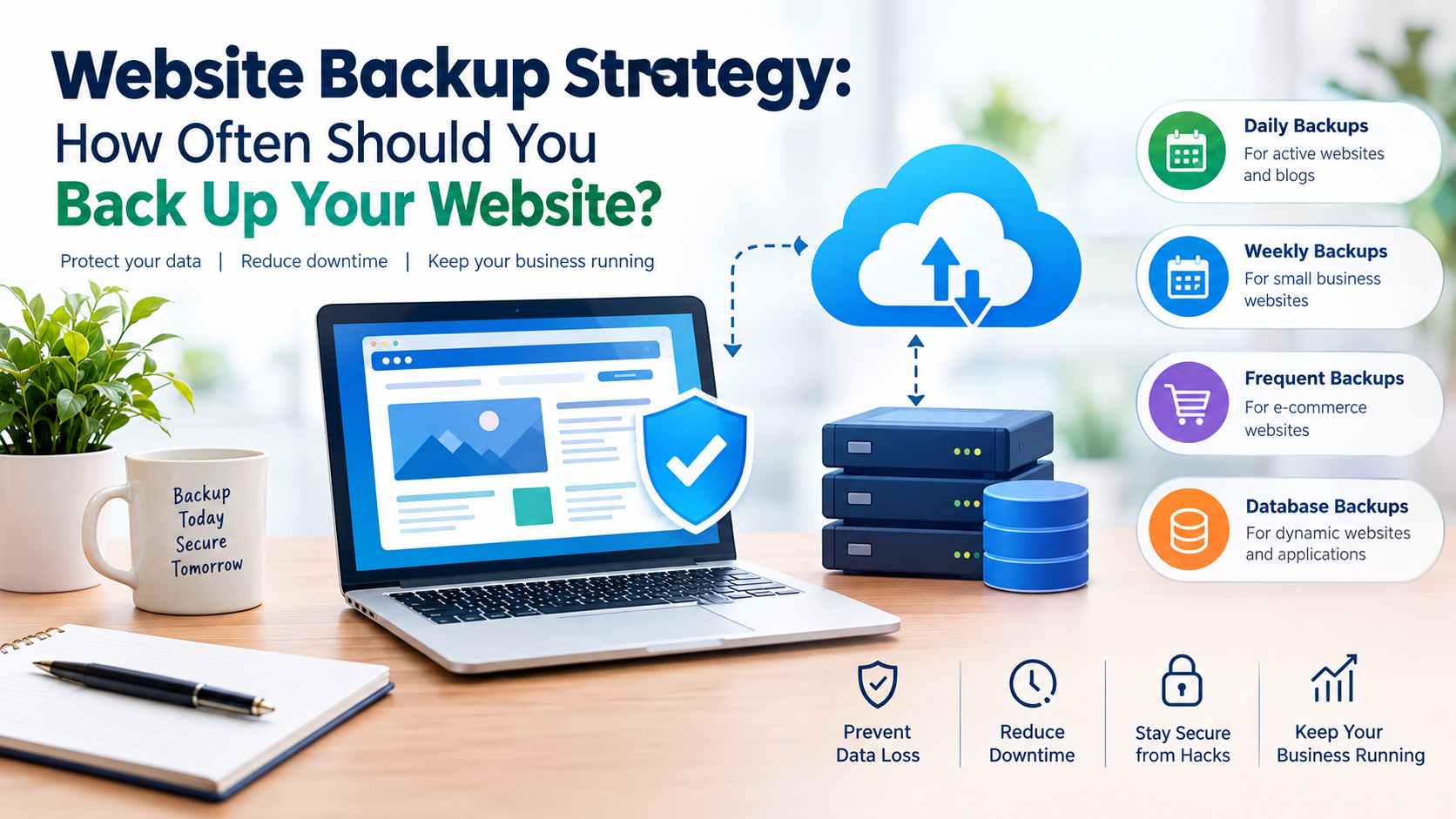
A plan without backups can cost more than a pricier plan with them, because one failed update or attack means rebuilding by hand. Check backup frequency, where copies live and whether restores cost extra.
Backups vary a lot inside one product range. On Cloud India Hub’s shared range, Starter has no backups, Basic runs weekly backups, and Standard and Professional run daily backups. Its VPS plans add daily snapshots at no extra charge.
Whatever the schedule, restore one backup to a test folder before you need it, and note how long the restore takes.
Support matters just as much when a restore is needed. All plans list 24/7 support, and the Professional plan adds priority handling.
How Do You Compare Hosting Options Step By Step?
Rank cloud hosting providers with seven checks: uptime promise, backups, security, scalability, support, total price and exit terms. Score each out of 5, and treat any zero as a reason to walk away.
|
Check |
What to ask |
Good sign |
Red flag |
|
Uptime promise |
Is the SLA in writing? |
99.9% or better with clear rules |
A percentage with no terms |
|
Backups |
How often, and where stored? |
Daily copies, restores included |
No backups or paid restores |
|
Security |
Which filtering and reporting exist? |
Free SSL, DDoS filtering, incident process |
A padlock icon only |
|
Scalability |
Can I upgrade without moving? |
CPU, RAM and SSD upgrades from the panel |
Forced migration to grow |
|
Support |
When can I reach a human? |
24/7 chat or phone |
Ticket-only, office hours |
|
Total price |
What is the renewal price? |
Renewal shown before checkout |
Low intro price, high renewal |
|
Exit terms |
Can I cancel and export my site? |
Published refund policy |
Lock-in with unclear refunds |
Then run the scorecard in four steps:
1. Shortlist three providers and copy each written SLA.
2. Score every check from 0 to 5 using the table.
3. Send one real pre-sales question late in the evening and time the reply.
4. Compare the renewal price, not only the first-year price.
Frequently Asked Questions
Which hosting suits a small business website in India?
Small business sites usually do well on shared plans, then move up as traffic grows. Cloud hosting providers with upgradeable VPS plans suit growing stores and apps that need room to scale.
Is cheap cloud hosting in India safe?
Yes, if it still includes SSL, backups and a written uptime promise. Safety depends on features and the provider’s security practice, not on the price tag alone.
How much downtime does 99.9% uptime allow?
About 43 minutes in a 30-day month and 8 hours 45 minutes 36 seconds in a year, assuming the server is measured continuously.
Must hosting companies follow CERT-In rules?
The 2022 CERT-In directions apply to service providers and data centres working in India. They cover 6-hour incident reporting and 180-day log retention, so ask your host how it complies.
Can I upgrade later without moving my website?
On Cloud India Hub’s VPS plans you can raise CPU, RAM and storage from the control panel, and the plan page says upgrades bring minimal to no downtime.
What should I do before switching hosts?
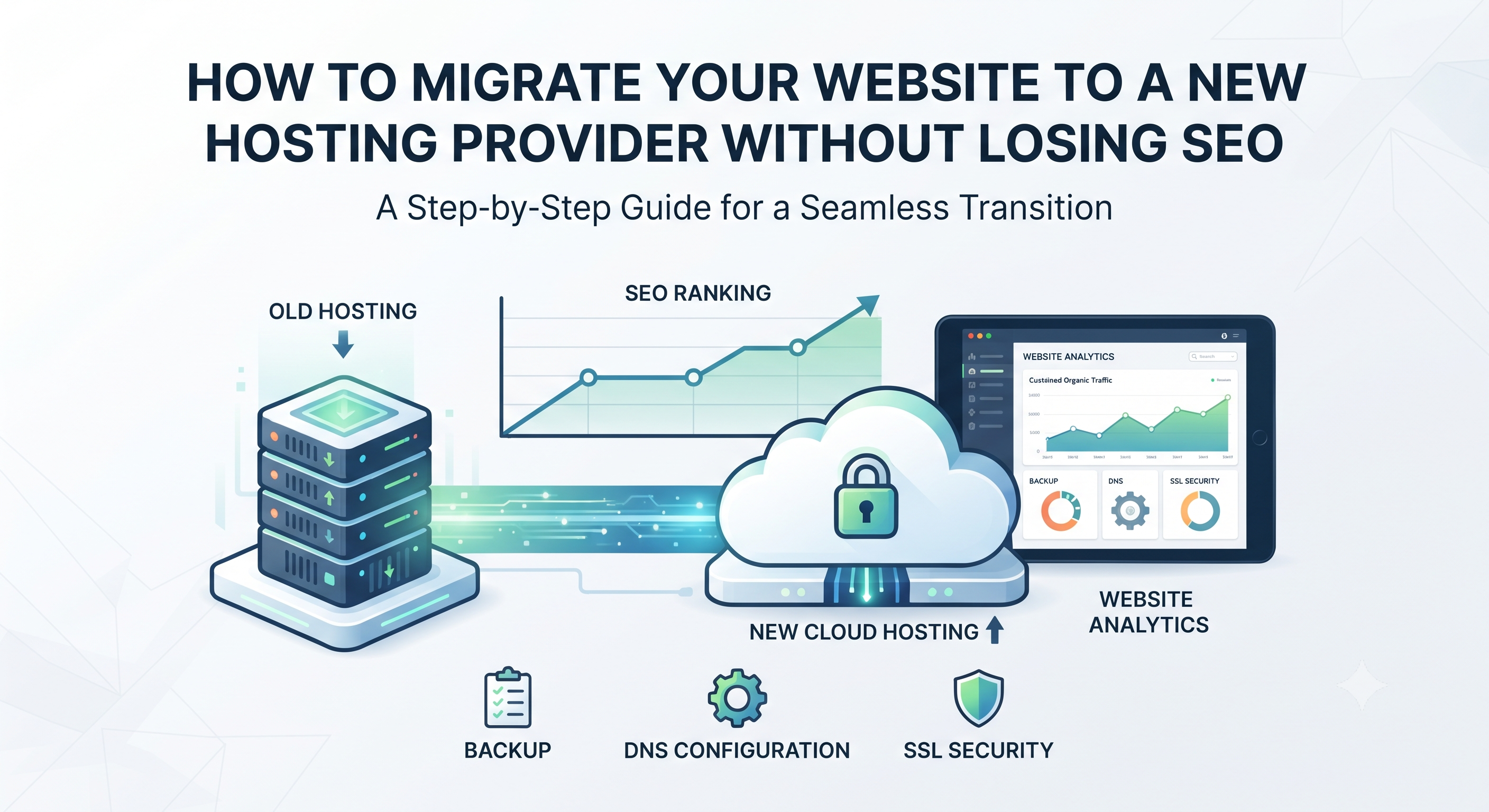
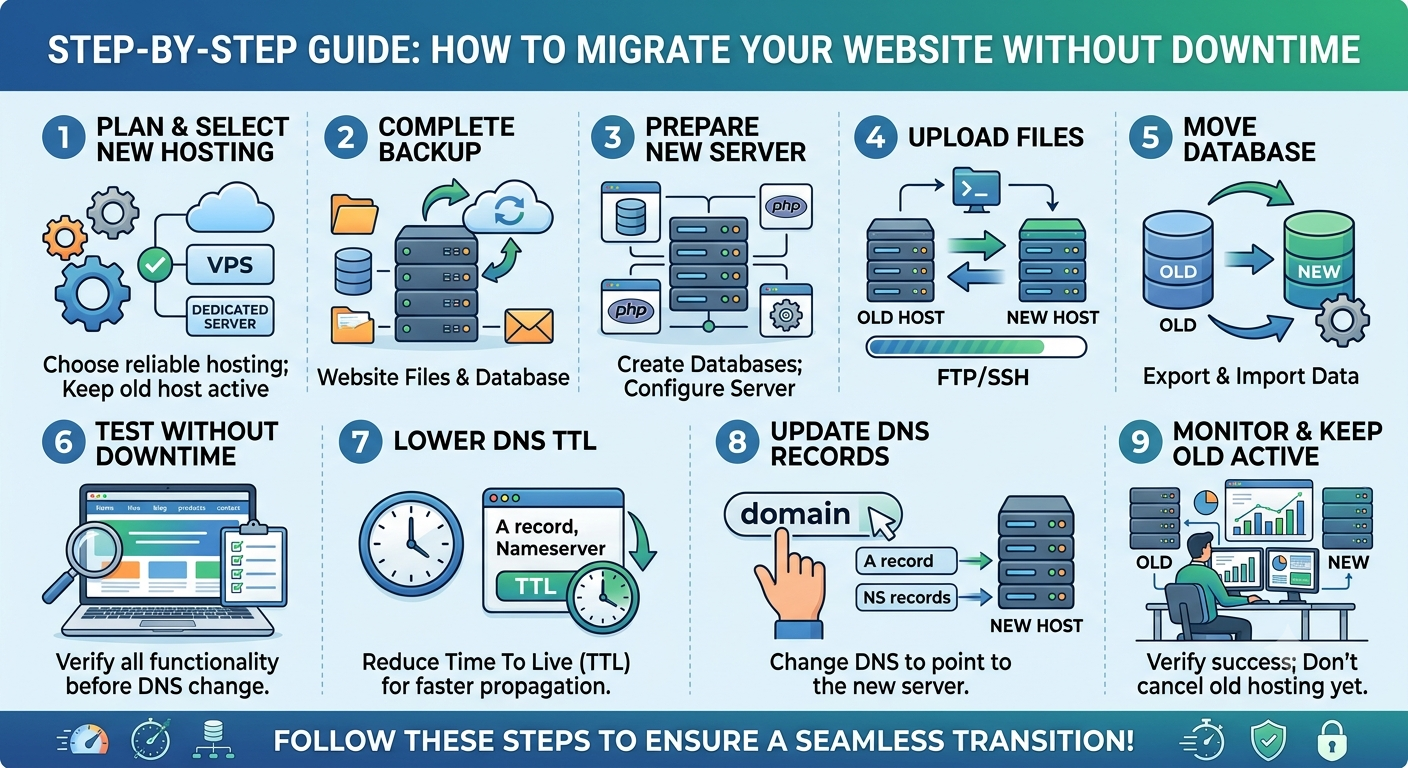
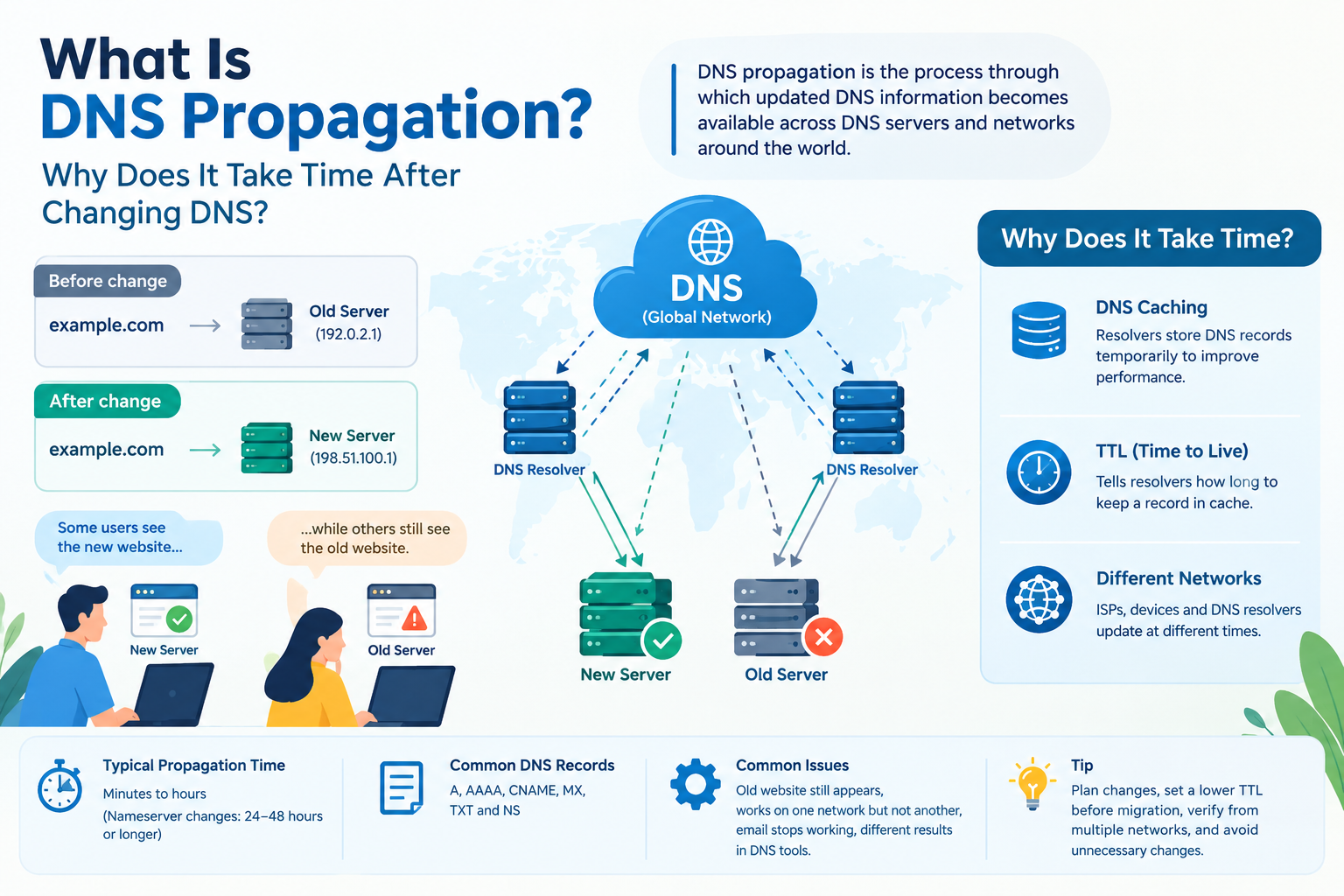
Back up your files and databases, lower your DNS TTL and test the new setup on a staging copy first. Switch DNS only after everything works.
Where Do You Go From Here?
Shortlist three cloud hosting providers, run the seven checks and keep the scorecard. To test Cloud India Hub against it, talk to the support team on chat, phone or email, then pick the plan that scores best.
Serving Bengaluru, Karnataka.



















































































































































Leave A Comment